
The government has placed human development and shared prosperity at the centre of the 2026 Budget, backed by significant funding commitments across social protection, health, education, the creative economy, and infrastructure.
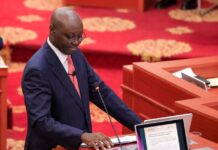
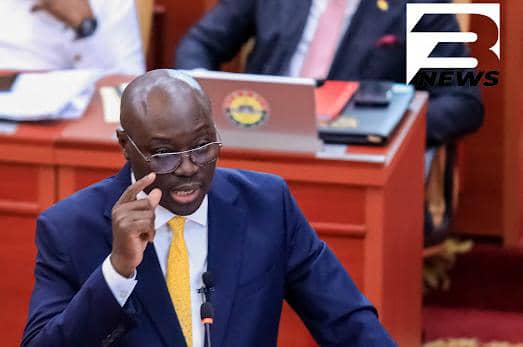
Wrapping up the budget approval debate on Thursday, November 27, the Minister for Finance, Dr. Cassiel Ato Forson, highlighted key allocations designed to support vulnerable households, stimulate local economies, and strengthen national resilience.
Major Social Protection and Household Support
The 2026 Budget dedicates substantial funds to poverty alleviation and community welfare:
- GH¢1.1 billion is earmarked for the Livelihood Empowerment Against Poverty (LEAP) programme to cushion vulnerable families, including persons with disabilities, the elderly, and extremely poor households.
- An additional GH¢401 million has been set aside for the newly established Women’s Development Bank, which is specifically targeted at expanding access to finance for women-led micro, small, and medium-scale enterprises.
- Health-sector protection will be strengthened with GH¢2.3 billion allocated to MahamaCares, a programme designed to provide support for citizens living with chronic diseases.
- GH¢500 million has been allocated for district housing and relocation support for victims affected by the Akosombo dam spillage, aimed at rebuilding lives and restoring livelihoods.
Boosting Local Economies and Creative Arts
The budget also invests heavily in local governance and high-potential growth sectors:
- Local governance and district development will receive a significant boost, with GH¢8.9 billion allocated to the District Assemblies Common Fund (DACF). At least 80 percent of this amount is expected to directly fund priority projects within communities across the country.
- The budget commits GH¢20 million each to the Creative Arts Fund and the Film Fund, offering direct backing to the creative economy and its job creation potential.
Education and National Infrastructure
Prioritizing human capital, education infrastructure and large-scale development were also given substantial backing:
- Education infrastructure remains front-line, with GH¢3.0 billion allocated for textbooks, school furniture, transportation, and other essential learning materials for millions of schoolchildren nationwide.
- On the national development front, the landmark GH¢30 billion Big Push Infrastructure Programme is expected to drive large-scale connectivity, industrial expansion, and long-term economic growth.
In his concluding remarks, the Finance Minister stated that the 2026 Budget resets the economy for growth, jobs, and transformation, reflecting a vision of fairness, prosperity, and national self-reliance under President Mahama’s leadership.
He asserted that Ghana is back on track and poised to sustain progress through collective effort.