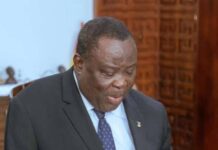


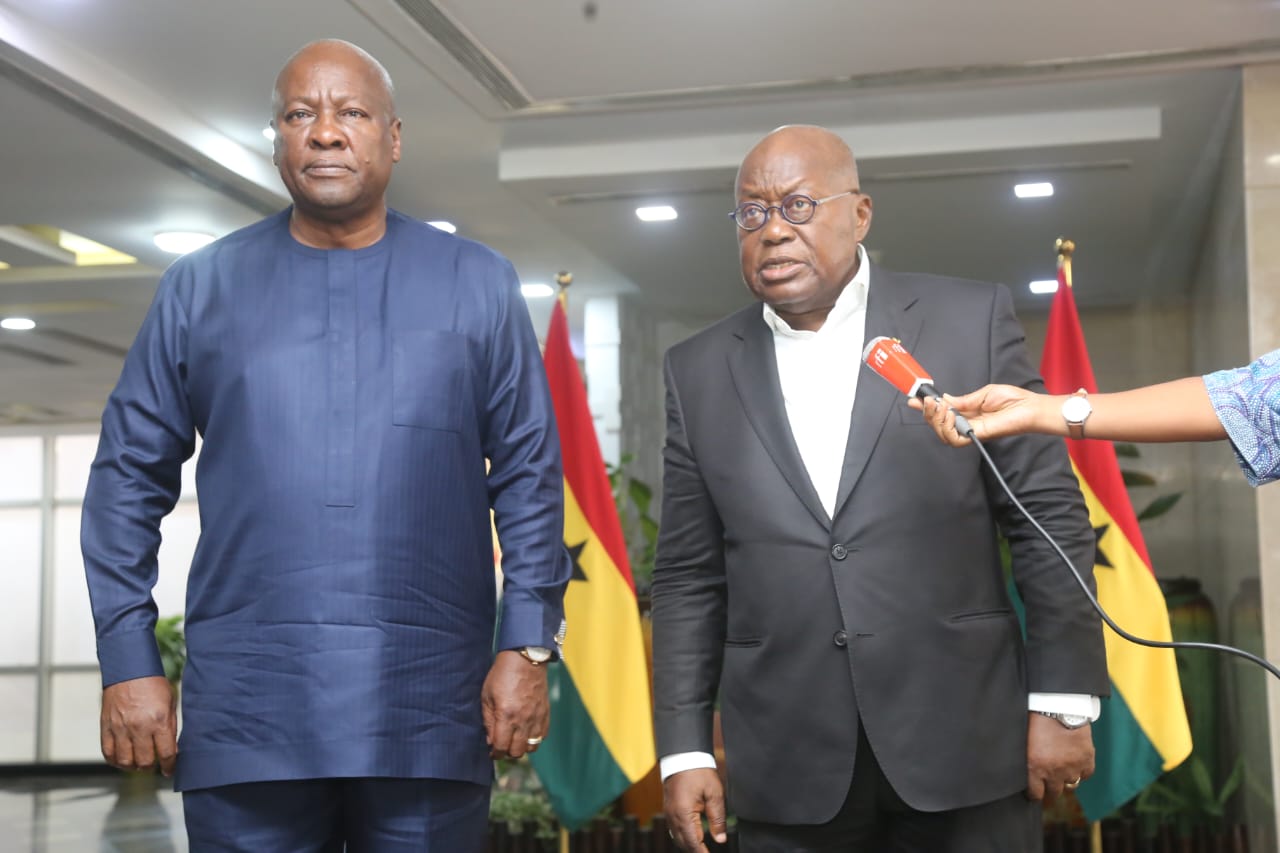

The Minister of Government Communications, Felix Kwakye Ofosu, has said that the Mahama administration has managed the economy far better than what the previous NPP administration did.
To him, Ghanaians are able to afford goods and services better than what they were able to do under the previous administration.
Speaking to journalists in Parliament ahead of the 2027 budget presentation by the Finance Minister on Thursday, November 12, he said, “We have done better in managing the economy than the NPP did. We have done much better. Is there more improvement? Absolutely.”
Kwakye Ofosu further said that the New Economy that will be announced by the Finance Minister in the 2027 budget statement will spell out clear plans to provide jobs for the youth.
He says the New Economy is not business as usual; it intends to serve a useful purpose.
“It is not business as usual; it creates jobs for the youth; it is a government programme intended to transform the economy over the next four years. 24-hour economy was never meant to be an event; it was a government initiative that brings incentives to the private sector,”
“Substantial work has gone into it; yes, we are yet to realise the full scale of the programme,” he added.
Ghana’s 2027 Budget, christened ‘The New Economy’. is expected to be presented to Parliament at 6 pm, today Thursday, November 12.
Speaker of Parliament, Alban Bagbin, says the adjustment to an evening sitting follows a request by the Finance Minister, which he has approved after being given compelling reasons.
The 2027 Budget is expected to outline the government’s economic priorities and policy direction, with a focus on shaping a new economy, driving growth, creating jobs and improving the livelihoods of Ghanaians.
Ahead of the presentation, Director of the Institute of Statistical, Social and Economic Research (ISSER), Professor Robert Darko Osei asked the government to raise capital spending in the 2027 budget to improve infrastructure and business productivity. He directs the Institute of Statistical, Social and Economic Research (ISSER).
On JoyNews’ PM Express Business Edition, Osei said spending on capital projects missed its target by more than 40 per cent during the first half of 2026, as project cuts helped the state meet fiscal consolidation goals.
“We were down by the target by over 40 percent in terms of the capital expenditures, which clearly is not consistent with a big push to try and beef up infrastructure,” he said.
He warned that leaning on capital spending cuts to balance the books undermines the physical infrastructure required to lower business operating costs and conflicts with the administration’s US$9 billion ‘New Economy’ plan for 2027–2030.
“We are not doing the infrastructure for the sake of infrastructure. We are doing the infrastructure to support the ecosystem within which businesses operate,” Osei noted.
With Ato Forson briefing traditional leaders on the 2027 budget and the government working within tight fiscal strategy and IMF budget rules, the ISSER director urged authorities to channel more of the resulting fiscal space into productive public investments.
However, he cautioned that higher capital allocations must be matched by strict project monitoring, accountability and value-for-money checks.
“It is not just the number of or the amount of cedis that we spend. It is also the efficiency of the spending,” Osei stressed.