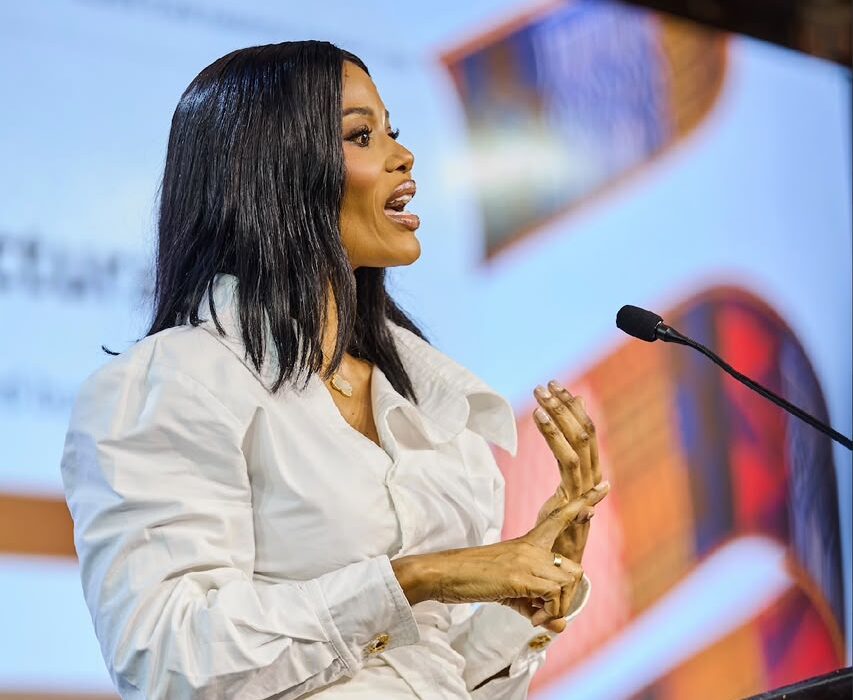

Fashion industry development advocate and Founder and Chief Executive Officer of HSA PR, Hillary Sarah Andoh, has highlighted the scale of Ghana’s dependence on imported textiles and garments, saying about 70 per cent of products consumed locally are imported.
She believes this presents a major opportunity for Ghanaian textile producers, garment manufacturers and fashion designers to expand local production and capture a larger share of the domestic market.
She made the remarks at the Black Star Fashion Week 2026 Summit, where she delivered a presentation on The Business of Fashion: An Ecosystem, an Economic Opportunity.
Hillary said Ghana must do more to translate its fashion potential into a viable economic industry, noting that although a ready market exists, much of its demand is currently met by imported products.
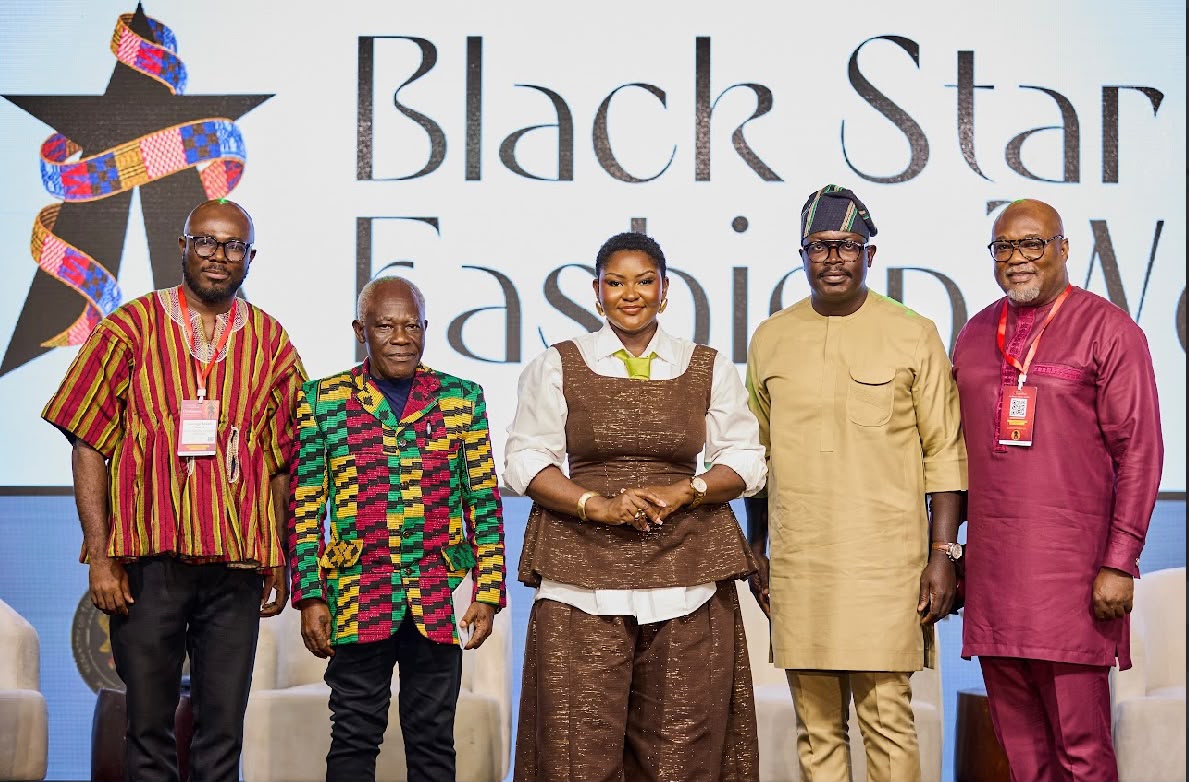
“The market exists. Who captures it? 70 per cent,” she said, describing the import figure as an opportunity for local textile producers and manufacturers.
She also highlighted the potential of traditional fabrics such as Kente and Fugu, urging designers and textile producers to make them more innovative and appealing to consumers in Ghana and beyond.
“How can we make Kente a bit more innovative, a bit more breathable so it can cross the boundaries beyond Ghana?” she asked.
Hillary stressed the need for stronger collaboration among fashion brands, designers, textile producers and manufacturers to improve production capacity and support the growth of local businesses.
She explained that while some small and medium-sized fashion businesses can produce a few hundred pieces, they often lack the capacity to fulfil larger orders.
Using an example, she said a designer capable of producing 500 pieces could struggle when asked to deliver 2,000 pieces within 30 days.
“Most SMEs do not have the capacity to do that. So they need to know which manufacturers are in the industry that can help you,” she said, advocating stronger partnerships between fashion businesses and established manufacturers.
She further called for investment across the fashion value chain, particularly in manufacturing, education, skills development and market access.
Hillary said the sector holds significant potential to create jobs and contribute to economic growth, especially for women and young people, urging stakeholders to pay greater attention to small and medium-sized enterprises.
The presentation was monitored by entertainment journalist Joseph Owusu Worae as part of discussions at the summit, which brought together industry players and policymakers to explore ways of strengthening Ghana’s fashion ecosystem under the theme Put Ghana On.
By Joseph Owusu Worae