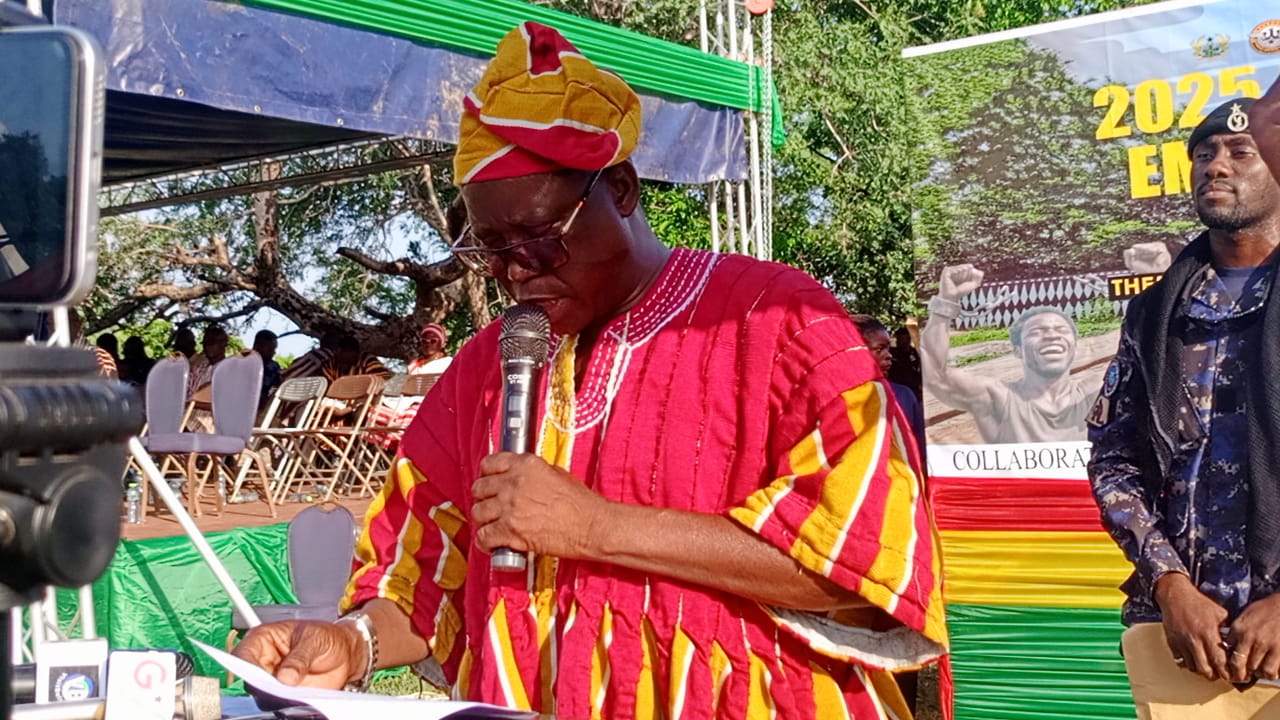

The Upper East Regional Minister, Donatus Akamugri Atanga, has charged Ghanaians to do away with any form of act that seems to portray that slavery still exist in society.
He says “we must liberate ourselves from modern forms of mental, economic and technological enslavement as Africans”.
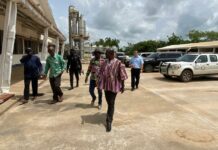
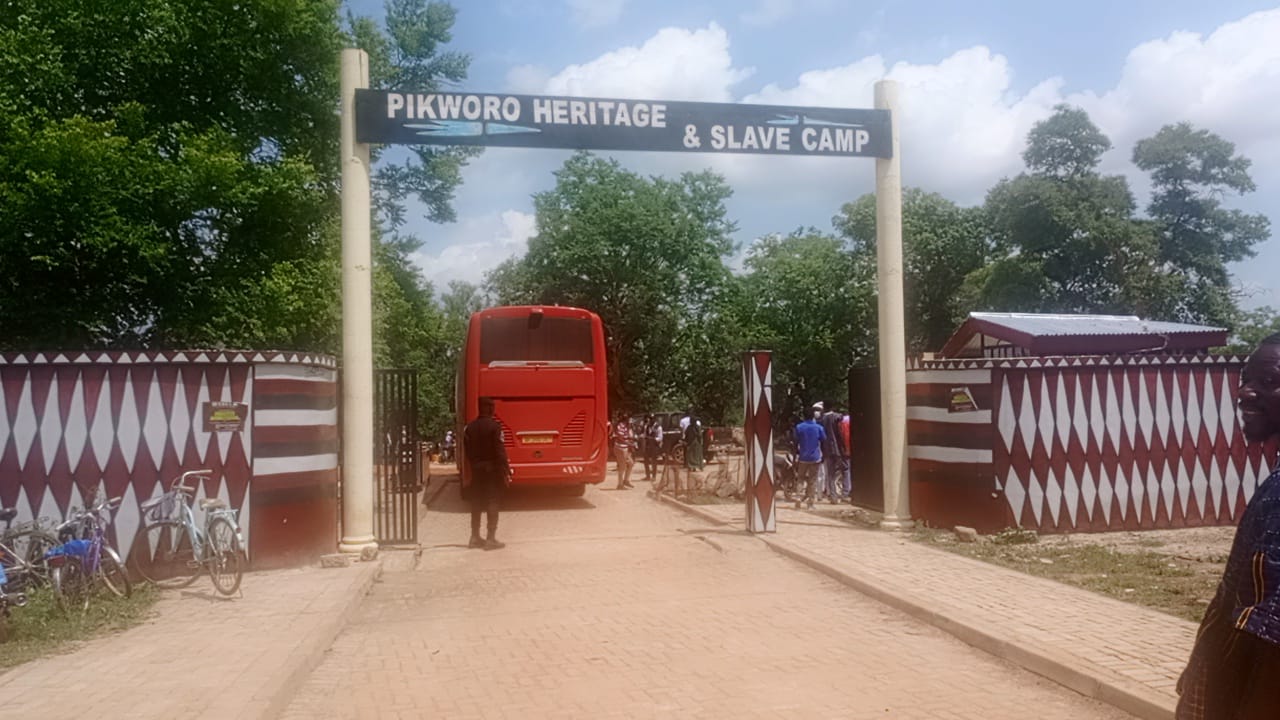
The Regional Minister was speaking at a mini-durbar of chiefs and people at Pikworo Slave Camp in Paga in the Kasana Nankana West District of the Upper East Region when he made the call.
The Pikworo Slave Camp was a wholesale point during the Trans-Atlantic Slave Trade.
Millions of slaves who were enslaved from almost every part of West Africa were chained at the Slave Camp, before being taken to Salaga Slave Market for sale and then, onward transfer to Elmina and Cape Coast castles to be transported overseas.
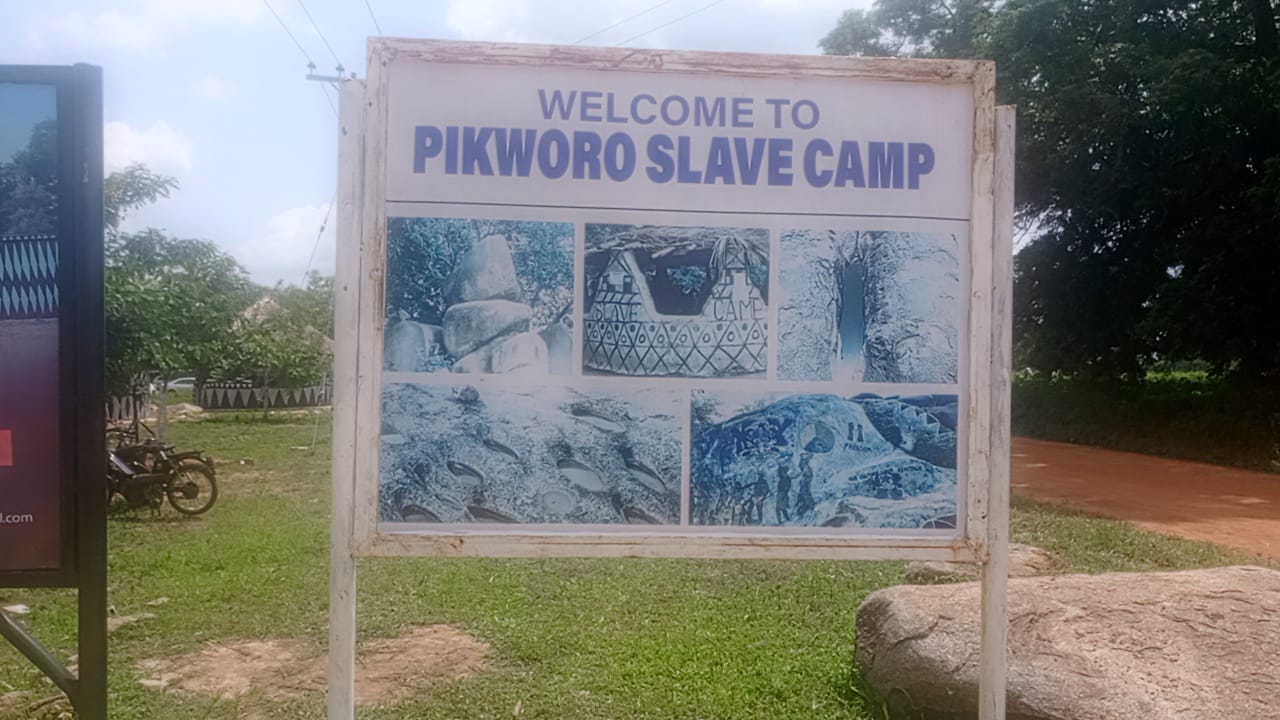
The durbar forms part of the 2025 Panafest and Emancipation Day Celebrations. Various traditional leaders, executives from the Ghana Tourism Authority (GTA), the Ministry of Tourism, Culture and Creative Arts, drama groups, those from the diaspora, among others, were there to grace the occasion.
Mr. Atanga said “the celebration should be a rebirth of new Pan-Africanism to inspire economic growth on the continent.”
“Let us use this moment to promote cultural education in our schools, creative industry as tools for development and advocacy and encourage our youth to use arts as a voice for justice and unity.”
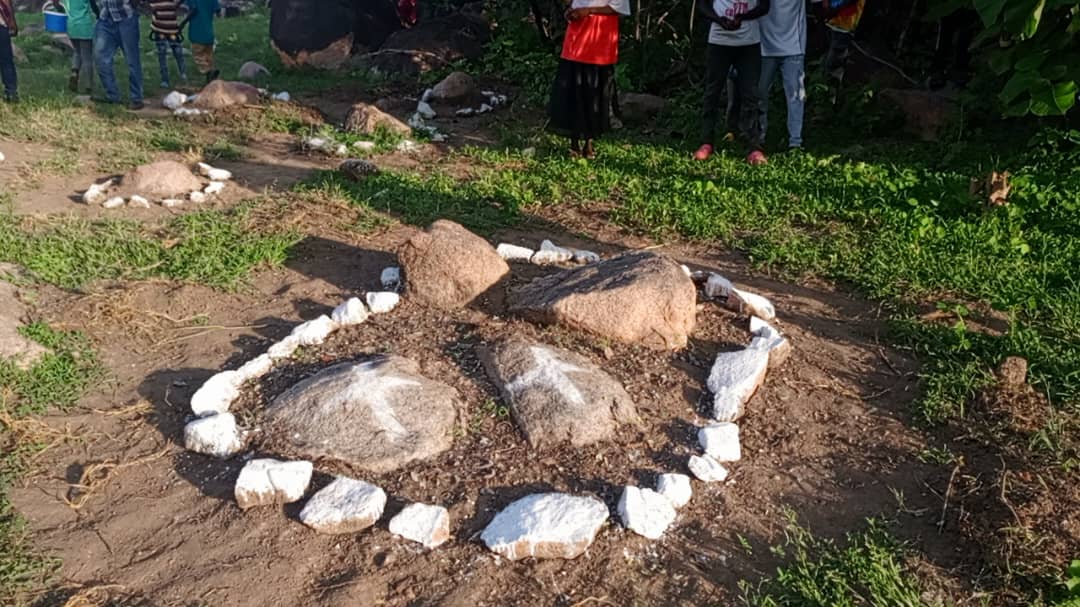
The Chief Executive Officer of GTA, Maam Efua Houadjato, whose speech was read by the Deputy CEO in charge of Operations, Ekow Sampson, said “Pikworo was not just a transit point, but it was the first site of imprisonment for thousands of captives, forcibly taken from their communities across West Africa.”
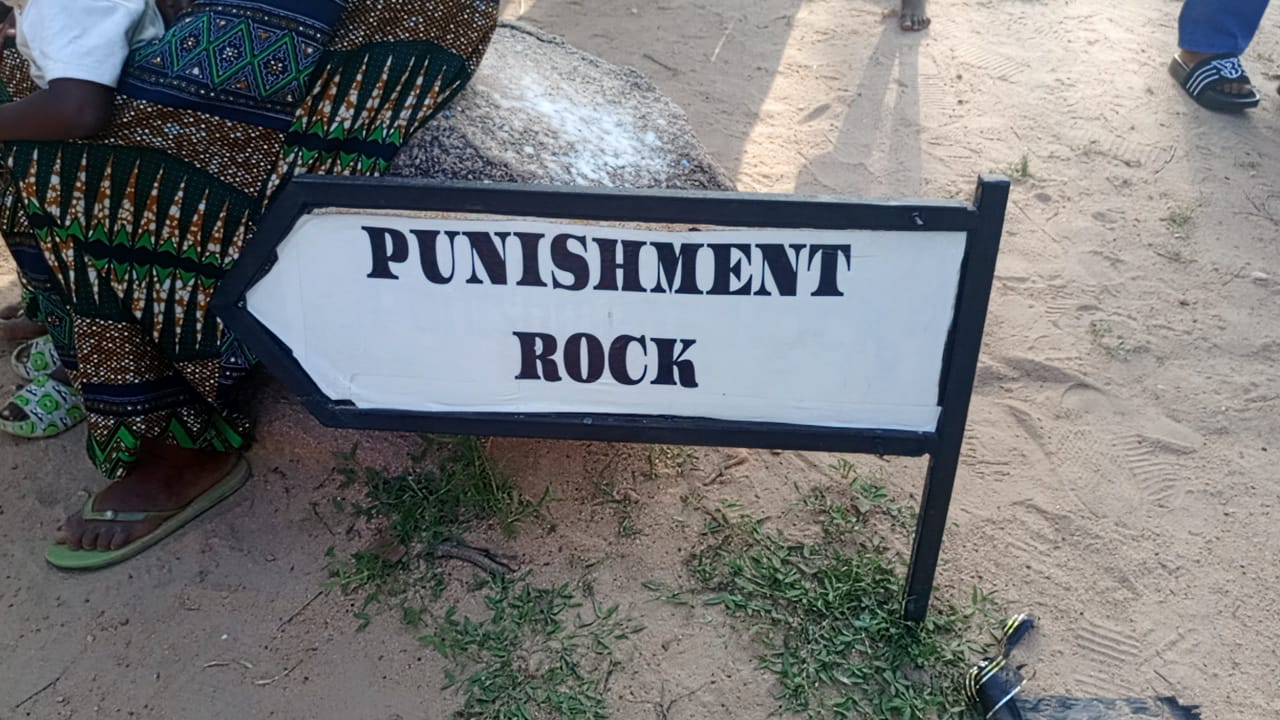
“Here, under the harsh sun and cruel chains, they waited, auctioned, sold, and marched southwards to coastal forts like Elmina and Cape Coast. Pikworo bears the imprint of this cruel history. The carved bowls in rocks served as eating spaces, the punishment stones and the auctioned grounds. These are not mere ruins, they are sacred testimonies and we do not just remember but we reclaim the tenacity and resilient of our forefathers,” he explained.
Mr. Sampson called on Africans to seek reparative justice from the countries that perpetrated these atrocities.
“Reparative justices is more than compensation. It is the truth telling. It is healing. It is economic, spiritual, cultural, and political redress. Pikworo must speak so that Africans and the world must listen. Let us demand the return of our stolen African artifacts. Let us call for institutional reforms in education that teach this history truthfully. Let us advocate for economic policies that empower descendants of the enslaved. Let us encourage a global African reconnection that is rooted in respect, dignity and transformation.”
Mr. Sampson explained that these sites offer hope and economic aspect of the modern day.
“Even in its pain, Pikworo offers hope. It’s a power tourism destination not for entertainment, but for remembrance, education, and healing. The rehabilitation of Pikworo Slave Camp as a heritage tourism destination by the Ghana Tourism Authority holds a great promise for the Upper East Region.
“It can generate sustainable jobs for the youth as tour guides, artisans, researcher and hospitality service providers. It can attract the diasporans seeking reconnection and renewal, serve as cultural learning center, promoting traditional music, art and story telling.”
The CEO admitted that the place needs serious infrastructural development to serve these purposes.
“But for this to happen, we need investment in infrastructure, preservation, interpretation centers, and community partnership. Let us rally both government and private sector support to elevate Pikworo Slave Camp not only as a historical site but as a living heritage,” he stated.
The Upper East Regional Director of the GTA, Wisdom Ahadzi, said the Pikworo Slave Camp need to be fenced.
He said the place can serve as a teaching centre for African culture and other traditions.
The Paramount Chief of Chiana Traditional Area, Thomas More Ditundini Adiali Ayagitam III, who is also the regional representative of the Council of State, called for the preservation of the Camp.
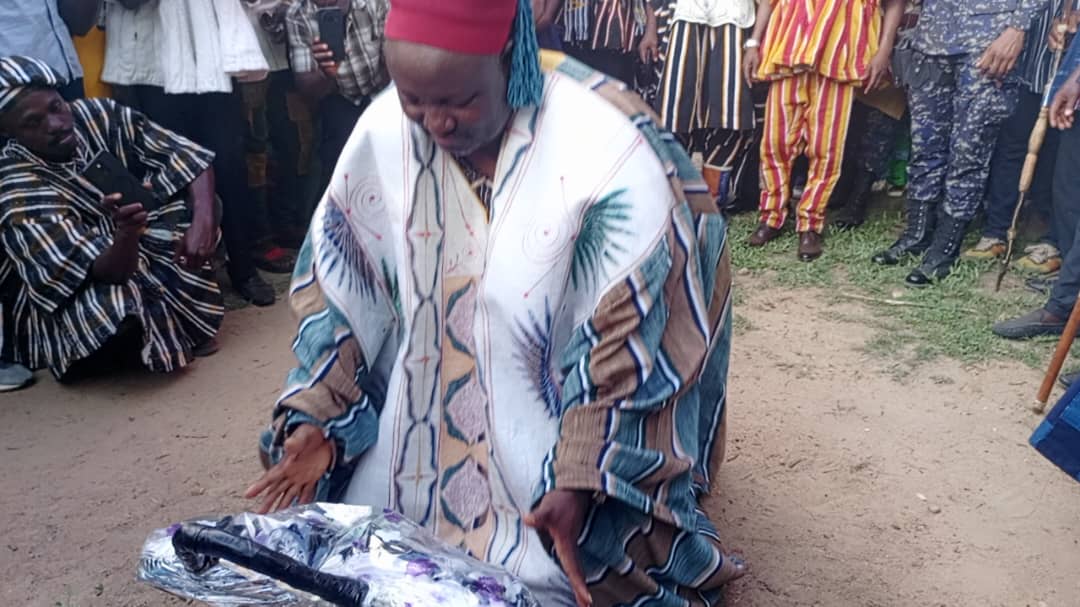
There were wreath laying for the slaves who passed away while at the Slave Camp and were buried in a cemetery at the Camp.
By Timothy Antwi Otoo