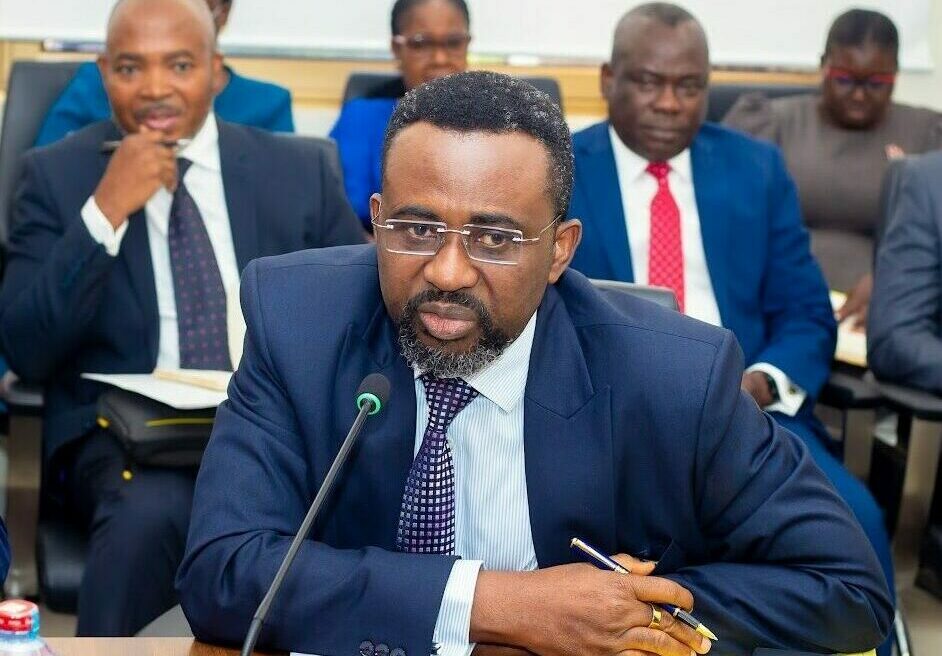

The Governor of the Bank of Ghana, Dr Johnson Asiama, has signaled that the central bank is going to scale up its supervision of the banks as the non-performing loan (NPL) ratio remains high.
Although the banking sector remains stable, with improvements in liquidity, profitability, and solvency, the NPL ratio remains elevated at 23.1 per cent, warranting continued supervisory attention.
Speaking during the opening of the 125th Monetary Policy Committee sitting in Accra on Monday, July 28, Dr Asiama said, “The banking sector remains stable, with improvements in liquidity, profitability, and solvency. The capital adequacy ratio, excluding regulatory reliefs, rose to 18.2 per cent in June 2025. However, the NPL ratio remains elevated at 23.1 per cent, warranting continued supervisory attention.”
The Committee is currently reviewing development in the economy.
Dr Asiama told the committee to “be aware of the risks, such as a resumption of exchange rate volatility, crude oil price increase, and the potential impact of some taxes to be imposed within the context of the mid-year budget review and how this will affect pricing behaviour.”
“This can cause a shift in inflation expectations,” he said.
Read Also: Finance Minister emphasizes the need to reform how PPPs are designed and executed in Ghana
On the domestic front, Dr Asaa stated that Ghana’s economic recovery and stability are gaining traction. The disinflation process has strengthened, with headline inflation declining for six consecutive months to 13.7 percent in June 2025, the lowest rate since December 2021.
He said the decline reflects multiple reinforcing factors, including disciplined monetary and fiscal policy management and the appreciation of the cedi Economic activity has picked up significantly. Provisional GDP data for the first quarter of 2025 indicate real growth of 5.3 percent, driven mainly by strong performance in agriculture and services. Non-oil GDP grew even faster at 6.8 percent. The Bank’s Composite Index of Economic Activity rose by 4.4 percent in May, supported by robust consumption, increased trade volumes, cement sales, and a rebound in tourism. These improvements are mirrored in stronger business and consumer confidence, as reflected in recent PMI data.
External sector conditions have also improved markedly, he further stated.
He said Ghana recorded a provisional trade surplus of US$5.6 billion in the first half of the year, more than four times higher than the same period in 2024. The current account surplus widened to US$3.4 billion, and the cedi appreciated strongly against major currencies: 42.6 percent against the US dollar, 30.3 percent against the British pound, and 25.6 percent against the euro.
“These gains have been underpinned by increased export receipts from gold and cocoa, robust remittance inflows, and renewed investor confidence following successful programme reviews under the IMF Extended Credit Facility,” Dr Asiama said.
“As we commence our deliberations, the question before us is whether the current macroeconomic configuration warrants a recalibration of our monetary policy stance. With inflation expectations more firmly anchored, external buffers significantly strengthened, and public confidence improving, we must consider how best to support the recovery without compromising the hard-won gains in stability.
“And we must be aware of the risks such as a resumption of exchange rate volatility, crude oil price increase, and the potential impact of some taxes to be imposed within the context of the mid-year budget review and how this will affect pricing behaviour. This can cause a shift in inflation expectations,” he said.