
Private legal practitioner Martin Kpebu has urged caution over calls for a state of emergency to tackle illegal mining, saying the measure is largely symbolic unless it is followed by practical enforcement on the ground.
Speaking on the KeyPoints on September 13, he applauded those who have managed the economy but warned that declaring a state of emergency would be “on paper” unless authorities use the powers they already have.
He argued that the key problem is not a lack of legal instruments but the failure to enforce existing laws.
“If we declare a state of emergency today, what else would we be doing? You declare on paper, then you still need the police to go and enforce. Under the law we can already send police there,” he said.
He pressed the point that the presidency should restore personnel who were withdrawn from the field so they can help distinguish legal operators from illegal ones.
According to Kpebu, absence of knowledgeable officers on the ground has allowed speculation and confusion to grow, and practical, on-the-ground capacity is needed to act swiftly and correctly.
Kpebu rejected the idea that the military should be deployed to police the forests.
He said the police are constitutionally mandated to handle enforcement and that using the military would be neither necessary nor appropriate.
“The police can do this job, not the military. Our Constitution provides for this. Station the police in the forest; map the concessions; let them take over, no military,” he said.
He also stressed the need for proper mapping of forest concessions and a clear public timetable for when officials will return to the field.
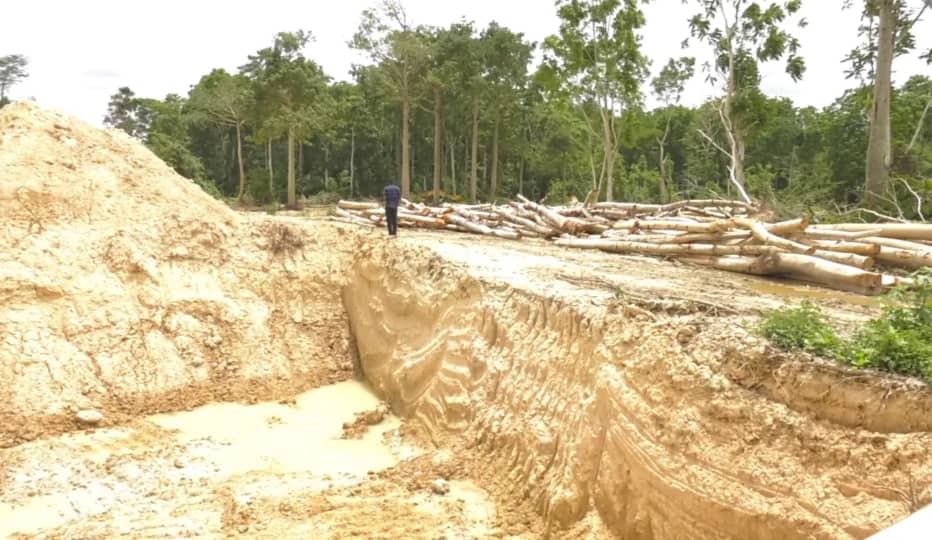
That mapping, he said, is essential so enforcement officers can distinguish legitimate operations from illegal sites and act without wrongful interference.
Kpebu described the debate around a state of emergency as political theatre if it is not followed by sustained, practical measures such as deploying trained police, restoring withdrawn staff, and publishing clear maps and plans for enforcement.
He urged humility from all stakeholders and a focus on substance over headlines.
“We must ask ourselves: apart from declaring a state of emergency, what can we do now under existing law? Let the police go in, let the experts identify the illegal sites, and act,” he concluded.