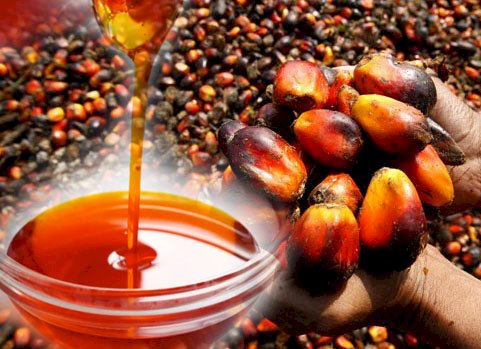

In the Ahanta West Municipality of the Western Region, the vibrant red of palm fruit, once a symbol of economic vitality and cultural pride, is fading.
In its place, the orderly rows of rubber trees are spreading, creating a silent crisis that is forcing traders to import a staple food, driving up prices, and threatening the community with hunger.
This shift from a diverse agricultural landscape to monoculture rubber plantations, compounded by the scourge of illegal mining (galamsey), is dismantling the region’s food system and forcing a painful reckoning.
Palm fruit was the lifeblood of Ahanta West. It supported local industries like Norpalm Ghana Limited, providing Palm oil, kernel oil, and even shells used to maintain rural roads.
Culturally, the annual August harvest heralded the start of the cherished Kundum Festival.
Data from the Ministry of Food and Agriculture shows the scale of the loss: the area once produced over 40,000 metric tons of palm fruits and oil annually. Today, that output has drastically declined.
“The kontomire I’m holding has turned black due to the rubber plantation. When you use it to prepare stew, it turns black and becomes poisonous,” lamented Auntie Eluwa, a vendor, showing the damage she says is caused by chemicals from nearby rubber farms.
The Rubber Trap: Money You Can’t Eat
The transition to rubber is driven by promises of better income. Companies like GREL (Ghana Rubber Estates Limited) have convinced many farmers to make the switch.
Isaac Asare, a former palm farmer, is one of them. “They told me there’s money in rubber plantation, yes truly there is money,” he confessed.
“But I now struggle to buy palm fruits. I sometimes have to spend 40 to 50 Ghana Cedis just to prepare palm soup for my family,” he added.
His story highlights the central paradox: while rubber may offer cash, it destroys the land’s ability to produce food. Once rubber trees are planted, the land becomes barren for other crops, creating a sharp scarcity of staple foods.
This scarcity has sent prices soaring. A basic measure of palm fruits, once sold for 5 Ghana cedis, now costs as much as 25 cedis—a 400% increase—partly due to the new costs of importing from Côte d’Ivoire.
The crisis extends beyond palm fruit. Market women like Justina report that essentials like garden eggs and tomatoes have become rare and expensive.
“Now 5 cedis of garden eggs is just two pieces,” she said.
A Looming Food Catastrophe
Mothers in the community are sounding the alarm.
“Palm fruits and cassava were the foundation meals of motherhood,” said Baalɛ Kwaaba.
“Rubber brings money, yet we cannot eat rubber. If care is not taken, in the next five years… feeding our families will become too costly.”
Official voices confirm the threat. Municipal Agriculture Director, Denis Antwi warns of long-term damage to soil fertility and explained that traditional farmers are often powerless when chiefs lease lands to wealthy investors for rubber.
To combat the trend, the local Assembly is promoting cassava farming with plans to build a gari processing plant. Meanwhile, the Oil Palm Development Association is pinning its hopes on a new, high-yield palm seedling called “Palm Mallet,” which can produce significantly more oil.
Martin Ola, the Association’s Vice President, also reveals plans to impose heavy fines for the destruction of palm trees, similar to penalties for cutting rubber, to deter encroachment by galamsey operators.
Ailing Rubber Processing Industry
Complicating the issue is the precarious situation of the very rubber industry causing the disruption. The Municipal Chief Executive of Ahanta West, Ing. Kofi Aidoo, is concerned about the frequent layoffs at GREL due to competition for raw materials.
“It’s a worrying situation because GREL employs a majority of residents… We must therefore protect the company,” he stated, highlighting the community’s complex dependence on an industry that is simultaneously providing jobs and undermining its food security.
For the people of Ahanta West, the fields of rubber trees now represent a difficult choice between short-term cash and long-term survival, as they watch their culinary and cultural heritage slip away, one imported palm fruit at a time.