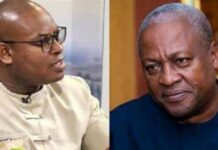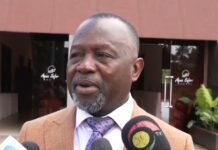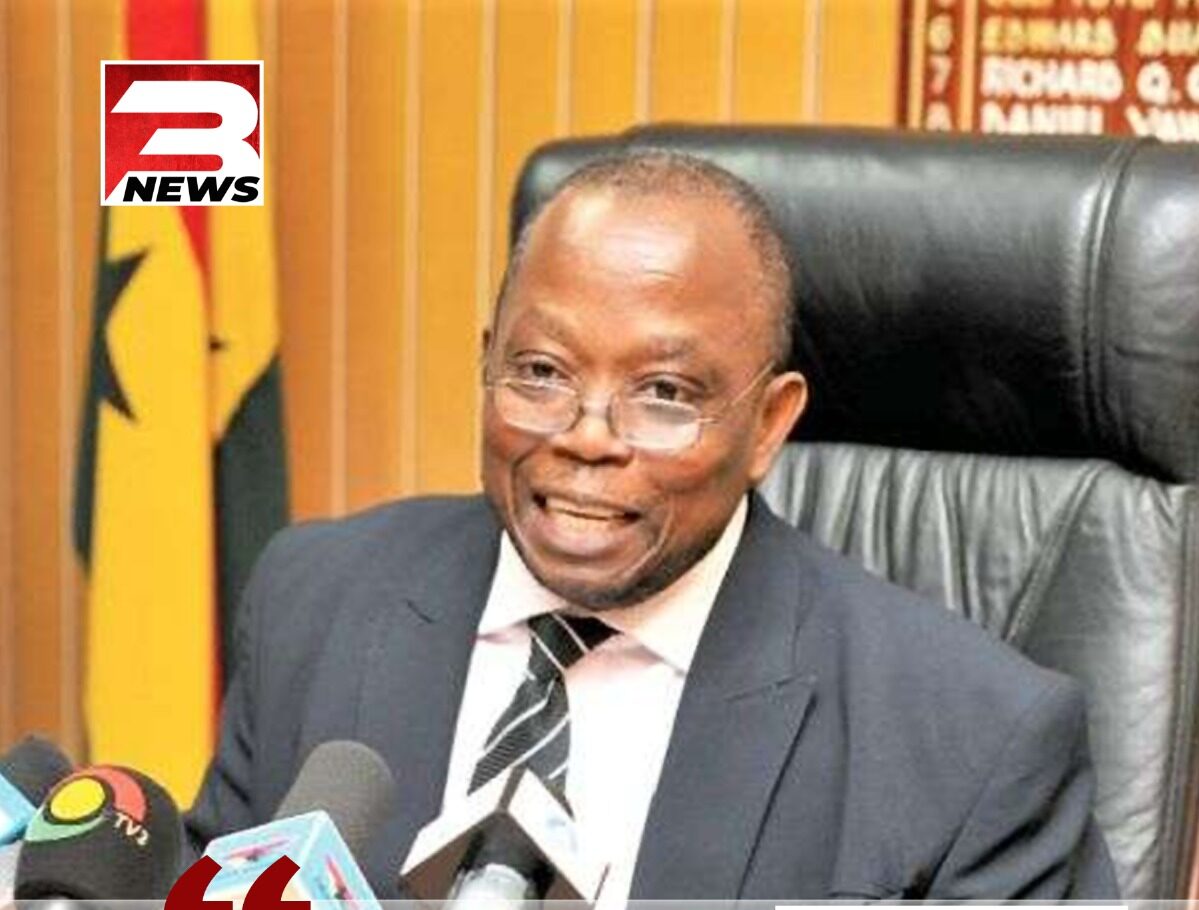

Former Auditor-General Daniel Yaw Domelevo has said that Ghana risks losing all public funds to corruption if the country does not urgently fix its legal gaps and enforcement systems.
Speaking on the KeyPoints on October 25, Domelevo warned that the Auditor-General’s annual reports already show billions of cedis lost to financial irregularities.
If this continues unchecked, he said the country will eventually “reach 100 percent of looting,” meaning nothing will be left to run schools, hospitals and infrastructure.
“If we don’t take care, one day the entire Consolidated Fund will be depleted due to corruption,” he cautioned.
He praised the current Attorney-General, Dr Dominic Ayine and other anti-corruption bodies for prosecuting corruption cases but stressed that their work will not deliver results without targeted amendments to the law.
Domelevo wants Ghana to adopt a “reverse burden” rule on unexplained wealth.
He explains that if a public officer earns GHC20,000 a month, about GHS 240,000 annually, yet suddenly has GHC20 million in their account, the state should not have to prove theft.
The officer should be made to justify the excess wealth or face conviction.
According to him, without this principle, well-connected individuals will continue to exploit loopholes by hiding behind technicalities.
He also called for a strict time limit on corruption cases.
Using Nigeria as a reference point, he said the Nigerian Supreme Court has blocked “stay of proceedings” in corruption prosecutions under Section 306 of its Administration of Criminal Justice Act and Section 40 of the Economic and Financial Crimes Commission Act.
Domelevo believes Ghana must adopt a similar rule so that once a corruption trial begins, the accused cannot run to a higher court to pause proceedings for years.
He suggests that Ghana should be able to conclude corruption trials within 6–12 months.
“Until we do that,” he said, “the prayer of criminals and their lawyers is delay — because a change of government could lead to a nolle prosequi and the case dies.”
Domelevo also wants Parliament to amend the Internal Audit Agency Act so that internal auditors are not controlled by the very people they are auditing.
According to him, Currently, auditors work under principal spending officers who can influence their work through transfers, promotion threats, or dismissal.
He believes insulating auditors will help detect theft early and prevent new losses, not just chase old ones.
Domelevo’s message is that Ghana cannot fight corruption with enthusiasm alone. Without new laws that: reverse the burden on unexplained wealth, stop trial delays, and secure auditor independence, the country will keep prosecuting headlines instead of recovering money.