
As the festive season draws near, homes and streets across the country are filling with music, food, and reunion.
For many families, it is a time of joy and togetherness. But public health experts are cautioning that some of the very activities that define the celebrations are leaving lasting health repercussions long after the festivities end.
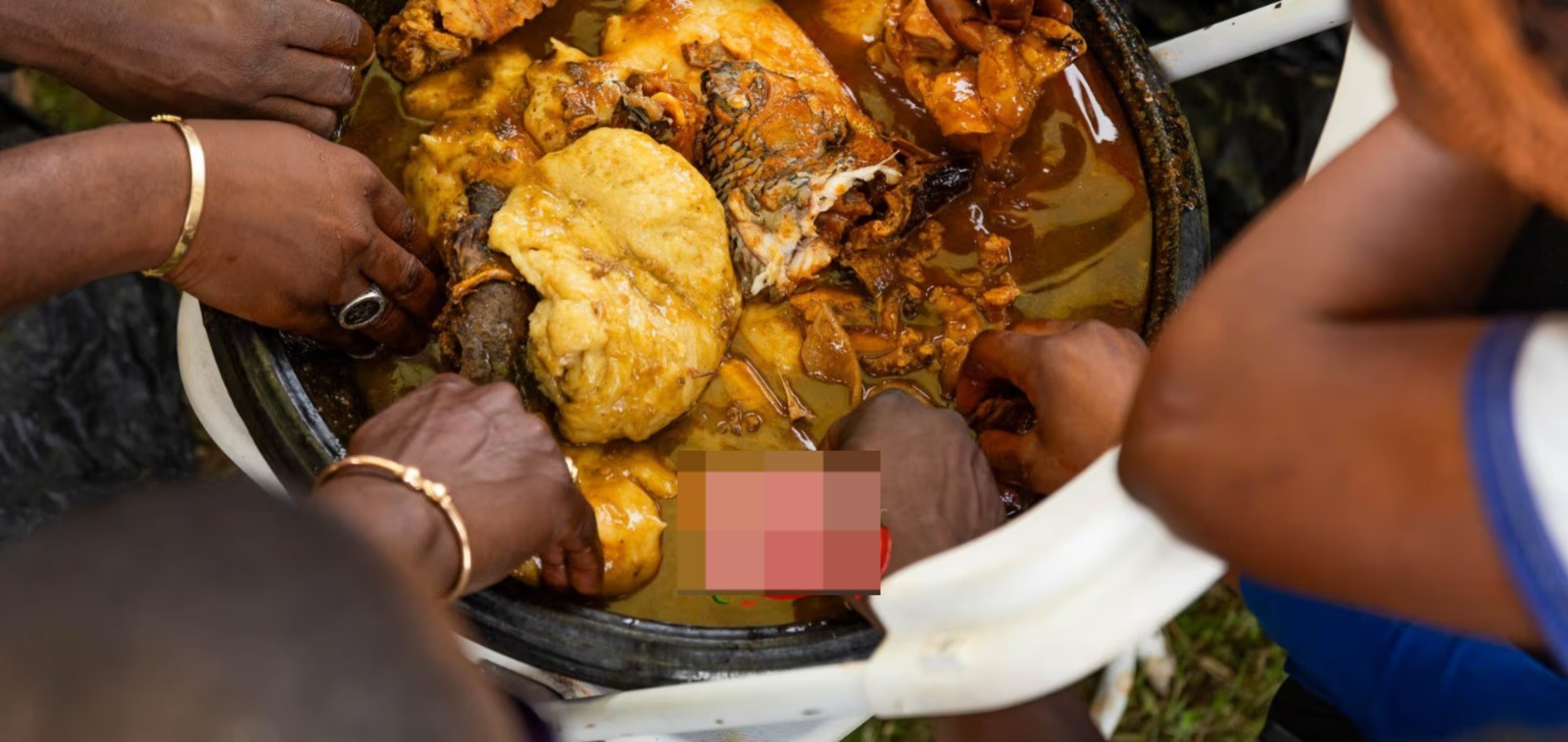
From heavy eating and excessive drinking to crowded parties and reckless driving, the season often comes with risky choices. Health experts say overindulgence in sugary, salty, and fatty foods contributes to a rise in non-communicable diseases such as diabetes, hypertension, and heart disease.
Ghanaian’s diet has changed rapidly over the years, with data from the Food and Agriculture Organization showing daily calorie availability increasing from about 1,800 calories per person in 1984 to nearly 3,000 calories by 2010.
At the same time, nutrition gaps persist. A national micronutrient survey found that one in five Ghanaian children under five is deficient in vitamin A and iron, while one-third are anemic. Among women of reproductive age, anemia affects up to 45 per cent of pregnant women, with widespread deficiencies in folate and vitamin B-12.
Prince Ishmael Dimah is a Dietitian and the Executive Director of Health plus Africa Care.

‘‘Diets of Ghanaians are changing rapidly; there is increasing availability of dietary calories. Look there is need for the general public to tone down on the junks. NCDs are on the rise at the hospitals. It’s scary, the diabetes, stroke, hypertension. Let’s not forget food poisoning as a result of the poor handling of most of the foods that are shared at this mass events.
The 2017 Micronutrient Survey reported that one out of five Ghanaian children under 5 years are deficient in Vitamin A and Iron. Also, one-third of young children are anemic. So families need to cook proper meals for the children and cut down on the sugary drinks they buy for them’’ he said.
Beyond diet, crowded markets, churches, parties, and family gatherings create fertile ground for infections.
Respiratory illnesses such as influenza and pneumonia spread easily in packed spaces, while food poisoning remains a concern with poorly handled meals.
Hospitals also record increases in road traffic accidents, substance abuse, all kinds of infections, stress, anxiety, and other mental health challenges during and after the celebrations.
Chief. Supt. Dr. Frank Duodo is a public health specialist and Head of the Public Health Unit at the Police hospital.

‘‘Indeed, some people will say let me just kill it and after the season I will deal with it. But the repercussions border on four ways. The lifestyle choices taking even the stimulants, let’s look at the infectious diseases too…because of the mass assembly. Certain decisions taken by both men and women.
So we usually have the respiratory infections which is more prevalent but depending on what you do, we see the sexually transmitted infections like the HIV, Syphilis, Hepatitis B and C, Urinary tract infections (UTI’s).
In the past, we tend to see more males affected but now the females are also proportionately affected. Some of the conditions are more in men than women. The road accidents, mental health issues as a result of stress are also issues that spill over,” he said.
As the season of joy unfolds, the message from health professionals is clear: enjoying the festivities should not come at the cost of long-term health for both adults and children.