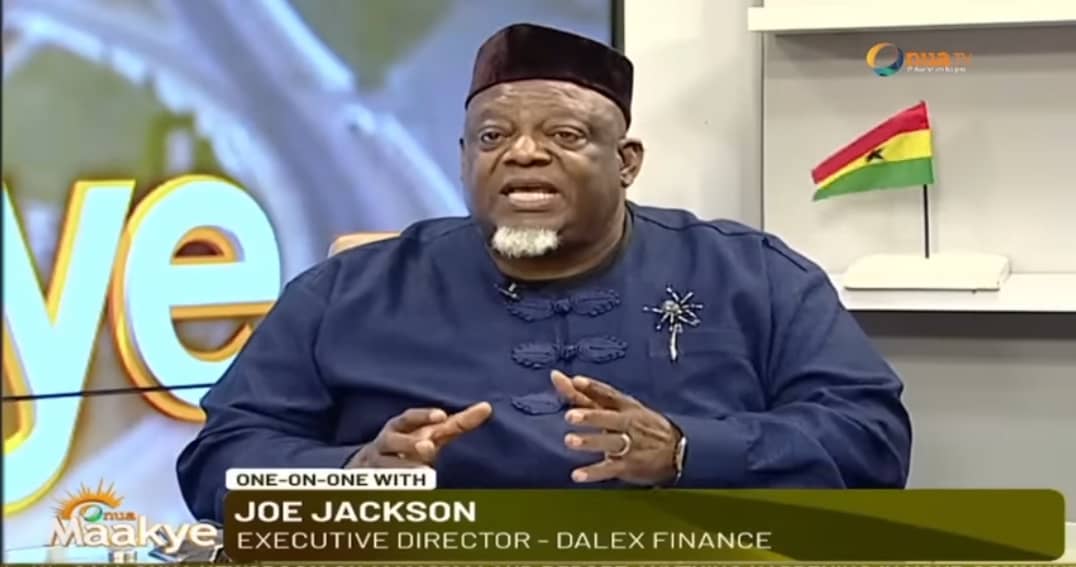

CEO of Dalex Finance Mr Joe Jackson, has observed that the Ghana Cocoa Board (COCOBOD) has been badly managed.
He says nothing will change if COCOBOD does not reform.
“The way COCOBOD is set up, it is inefficient and unproductive. Unless we reform COCOBOD, the farmers will get less money,” he said on the Key Points on TV3 Saturday, February 14.
“Cocobod has been badly managed, so it cannot continue like this. Farmers have to understand that COCOBOD is bankrupt; there is no money.”
For his part, Former lawmaker for Asante Akim North, Kwame Andy Appiah-Kubi stated that the challenges of Ghana Cocoa Board did not start in the last 8 years.
He said the problems have been there since the days of Ghana’s first president Dr Kwame Nkrumah.
“The problems of COCOBOD are historic. Why do we continue to look for funding to support Cocoa operations in Ghana? We can’t continue to politicise the sector,” he also said on the Key Points on TV3 Saturday, February 14.
He stressed, “The problems of COCOBOD are historic, so i dont agree with you that it started 8 years ago. from nkrumah;s tume up to now, we were supposed to build enough funding to avoid syndication. The moment we started looking for funding for cocobod i knew we had issues. The problems are multiple.”
For his part, the Director of the Presidential Initiative on Agriculture, Dr Peter Otokunor Boamah, said that the Mahaa administration has been fair to cocoa farmers.
He stressed that there is a need for cocoa farmers to benefit from their toil.
“If the international price is 52,000 let’s make an adjustment so that the farmers can get 70 per cent of the returns…we have been fair to the farmer in the last year,” he said on the Key Points on TV3 Saturday, February 14.
The Mahama government has announced a downward adjustment of the cocoa producer price for the remainder of the 2025/2026 crop season, setting it at GH¢2,587 per bag, down from the GH¢3,625 set at the start of the season.
The move follows a critical Cabinet meeting held on Wednesday to address a deepening liquidity crisis that has left thousands of farmers unpaid for months.
The price reduction is a direct response to a volatile international market. While cocoa prices reached historic highs of over $12,000 per tonne in late 2024, they have since plummeted by over 63% year-on-year, trading around $3,772 per tonne as of February 2026.
This “demand destruction” where high chocolate prices led consumers to buy less coupled with a projected global surplus of 287,000 metric tonnes for the current season, has forced Ghana to realign its farmgate prices with international realities.
To ensure this crisis does not repeat, the government is introducing several landmark reforms:
-
New Financing Module: Moving away from expensive international syndicated loans, Ghana will now utilize domestic cocoa bonds to purchase beans. These bonds will create a revolving fund to ensure a steady cash flow.
-
Revival of PBC: The state-owned Produce Buying Company (PBC) will be revitalized with immediate effect to resume its role as the leading licensed buyer.
-
Domestic Processing Mandate: In a push for value addition, the government has directed that the remainder of the 2025/2026 beans be processed locally. Starting from the 2026/2027 season, 50% of all cocoa produced in Ghana must be processed domestically.