
The Ghana National Chamber of Commerce and Industry says a possible rise in fuel prices could threaten recent gains made in bringing inflation down.
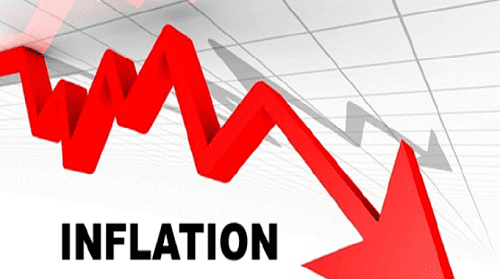
According to the Ghana Statistical Service, inflation currently stands at 3.3 percent as of February 2026, the lowest level recorded in decades.
The latest figure marks the fourteenth consecutive monthly decline in inflation.
Economists attribute the slowdown largely to easing food prices, relative stability of the cedi and tight monetary policy by the Bank of Ghana aimed at containing price pressures.
But the Chamber warns that the expected increase in fuel prices, which could be as high as 17 percent, risks reversing some of the progress made.
Higher fuel costs often translate into increased transport fares and rising production costs for businesses, which can eventually feed into consumer prices.
Meanwhile, President of the Ghana National Chamber of Commerce and Industry, Abass Miazan, has welcomed plans by the Public Utilities Regulatory Commission to reduce utility tariffs.
However, he says businesses had hoped for a larger cut to provide stronger relief for companies facing rising operational costs.
“If price of fuel goes up it will affect everything. It’s the major cause of inflation. Or basically, what we can do is to ensure that our strategic reserves are enough to contain some of these shocks. So, unless you don’t have that much strategic reserves, we will find ourselves in a position that will not be too good for the nation,” he said.