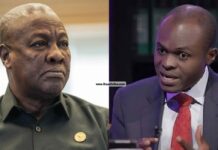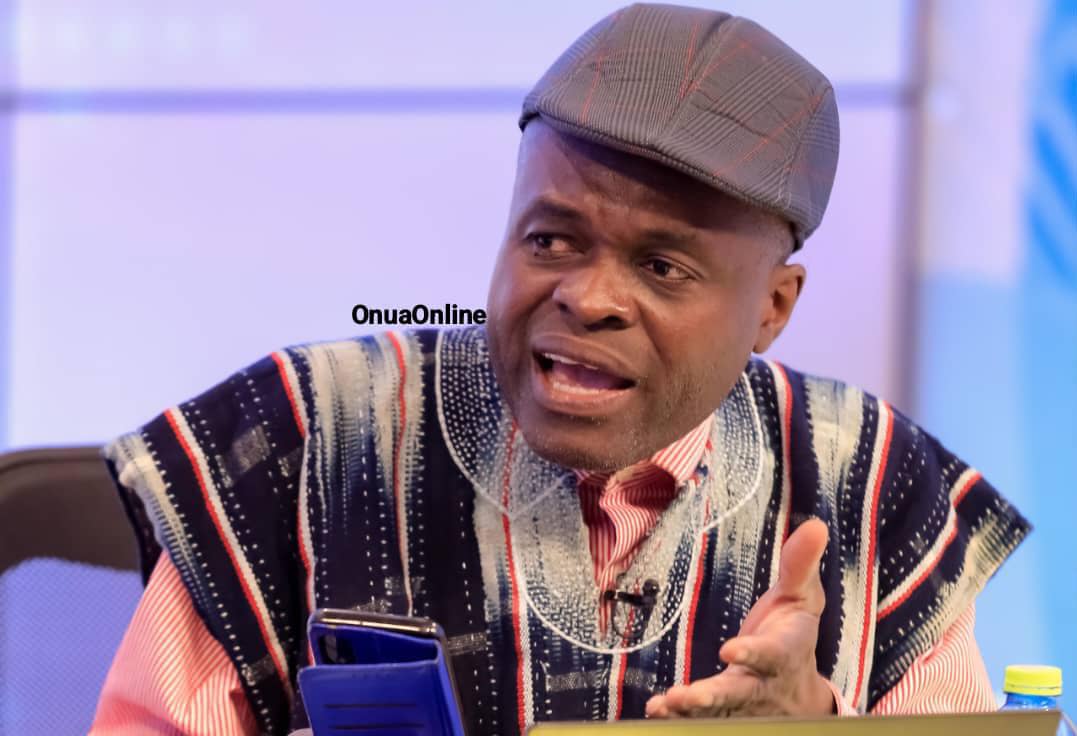

Private legal practitioner Martin Kpebu has called for the naming and shaming of persons involved in the Auditor General’s report that uncovered GH¢8.1billion in fictitious debt.
He says the matter should be assessed properly, and those who can be prosecuted should face the law.
“All the technocrats, consultants to the end, named them. Those can be prosecuted,” he said on the Key Points on TV3 Saturday, March 14.
For his part, former lawmaker for Asante Akim North, Kwame Andy Appiah-Kubi said that there is a need to reform the system in order to address the bottlenecks.
He made the point that the system may allow persons, including the technocrats or public servants, to take undue advantage and engage in questionable conduct.
“Identify the offence; it is stealing, not corruption. Prosecute people according to the element, find out the culprits, and kick out politics entirely. These are either corporate persons or government officials,” he said on the Key Points on TV3 Saturday, March 14.
“It is easy to identify the political heads, but the real culprits will be the technocrats who are there,” he added.
He further stated, “Let us also try to reform our system.”
In a revelation to Parliament, Deputy Minister for Finance Thomas Nyarko Ampem, delivering a statement on behalf of Dr. Cassiel Ato Forson, detailed a “systemic plunder” of Ghana’s public financial management system.
The Ghana Audit Service, supported by EY and PwC, examined GH¢68.7 billion in unpaid invoices and Bank Transfer Advices (BTAs). The findings were grim: while GH¢45.4 billion was validated, a massive GH¢8.1 billion was outright rejected due to overstatements, duplications, and falsified documentation. Furthermore, GH¢13.3 billion remains unvalidated due to a lack of third-party confirmation or supporting contracts.
1D1F “fictitious” debt scandal
One of the most alarming findings involves the One District, One Factory (1D1F) initiative. In 2024, the Ministry of Trade and Industry requested GH¢89.4 million to be transferred to five commercial banks as interest subsidies. However, when auditors contacted these banks, every single one denied being owed any money by the government under the arrangement. This GH¢89.4 million debt was labeled “fictitious” by auditors.

Missing grains and fraudulent logistics
The audit also highlighted severe discrepancies in agricultural relief. During a 2024 dry spell, the government paid for 34,000MT of rice, but 10,000MT remains completely unaccounted for.

Ghost arrears and recycled invoices
Education and infrastructure were not spared. The Ministry of Education reported GH¢160 million in unpaid teacher trainee allowances, but the Ghana Tertiary Education Commission confirmed there were zero outstanding arrears. Additionally, GH¢4.4 billion in “recycled” claims—invoices already paid between 2020 and 2024—were fraudulently resubmitted for payment.

Mr. Nyarko Ampem emphasized that the Mahama administration refuses to normalize such waste.

The report has been formally referred to the Attorney-General to prosecute those responsible for what he termed the “rape of the public purse”. Moving forward, the Ministry of Finance has pledged that no payment will be made without full verification.