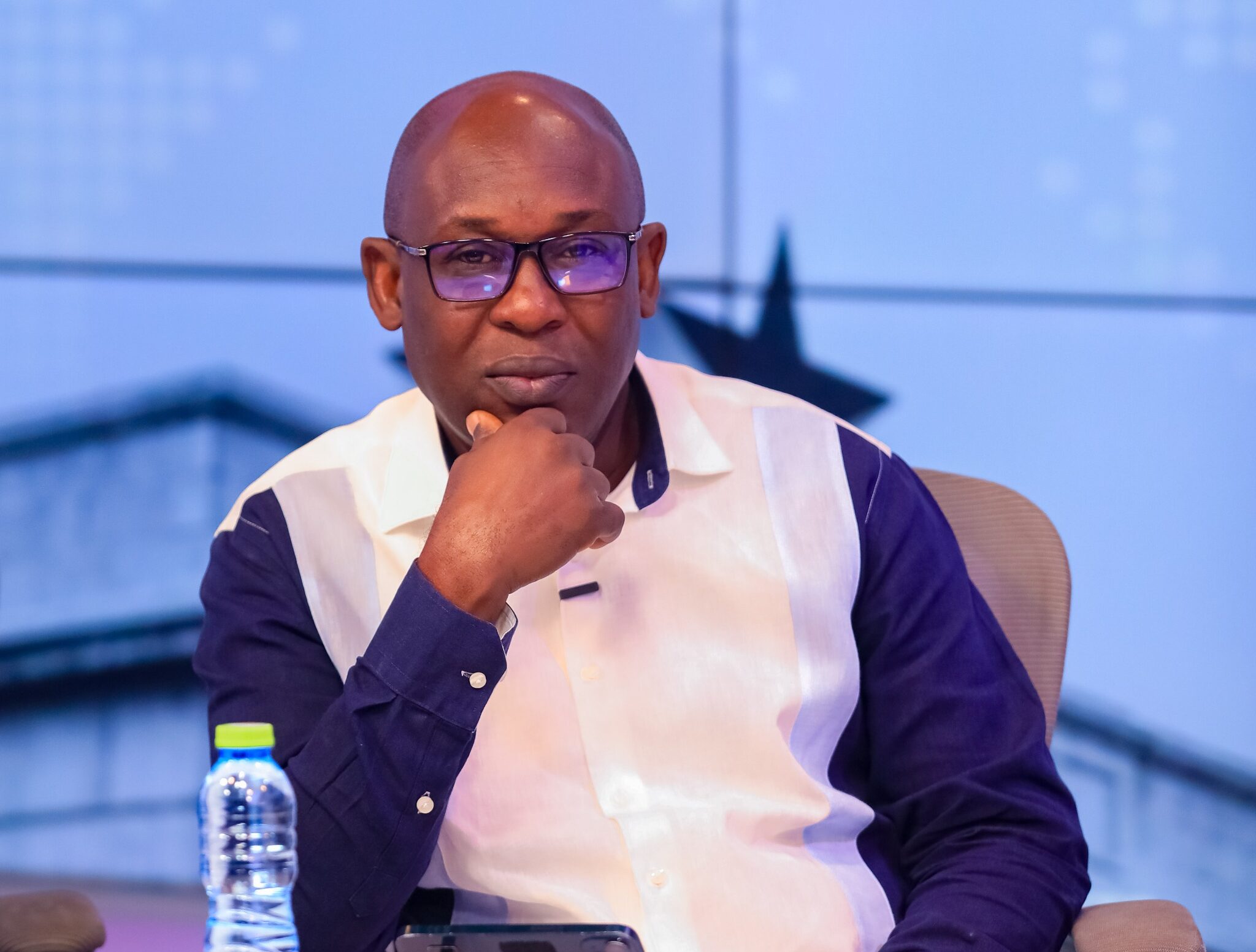

Vice President of IMANI Africa, Kofi Bentil, is urging government to move beyond short-term interventions and undertake a structural reset of Ghana’s petroleum economy to shield the country from global shocks.
Speaking on recent fuel price concerns on the KeyPoints with Alfred Ocansey, Mr. Bentil acknowledged the need for immediate relief measures but stressed that they must be accompanied by medium- to long-term reforms.
He described the proposed petroleum tax adjustments as justified in the short term, noting that “it’s a proper thing to do,” especially given calls for government action in recent weeks.
However, he warned that Ghana remains overly exposed to fluctuations in the global crude oil market due to its current petroleum trade model.
“We produce crude oil, ship it out, take the dollars, and then import finished products. That leaves us exposed at every level. That is not how smart economies organise themselves.”
Mr. Bentil proposed a strategic shift that links Ghana’s crude oil production directly to domestic refining capacity.
According to him, such a move would allow the country to better manage fuel prices internally rather than reacting to external market volatility.
He argued that although the process is complex, it is achievable.
“It is difficult, but it is not impossible. If we take it seriously, thinking leaders must sit down, plan it, and execute it.”
He pointed out that Ghana already has key assets that could support this transition, including operational refineries and access to regional refining capacity in Nigeria.
“Today, we have two working refineries in this country and a major one next door in Nigeria. If we organise them well, they can produce all the finished products we need.”
Mr. Bentil emphasised that managing the petroleum sector is central to managing the broader economy, given its direct impact on inflation and cost of living.
“Managing the petroleum economy is equal to managing the national economy. Fuel prices affect everything.”
He described the current situation as unstable, with prices reacting sharply to global events such as geopolitical tensions.
“You hear of a ceasefire in the morning and fuel prices drop. By evening, things change again. We are being tossed up and down.”
While supporting government efforts to cushion consumers, Mr. Bentil insisted that such measures should aim to restore previously lower fuel price levels that brought relief to Ghanaians.
He recalled the public excitement when fuel prices dropped significantly.
“There was massive jubilation. People were posting about how they paid half of what they used to. It was like Ghana had won the World Cup.”
He attributed recent increases partly to global tensions, including developments linked to Iran, as well as exchange rate pressures.
Mr. Bentil concluded that Ghana must aim for a petroleum system that can guarantee relative price stability over extended periods.
“We need a system where, for maybe three months at a time, we can guarantee fuel prices. It is necessary, and we have all the pieces in place today.”
By Christabel Success Treve