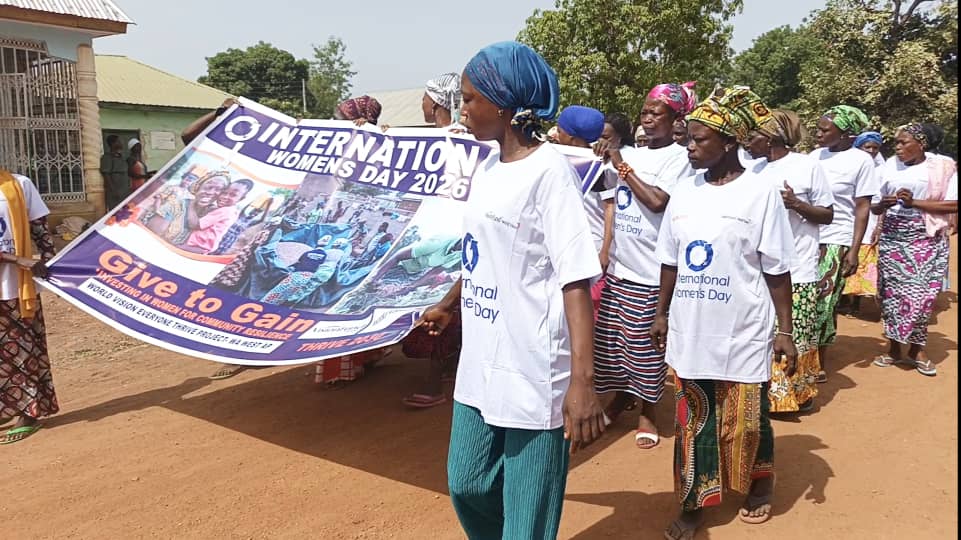

Women in the Wa West District of the Upper West Region have been encouraged to recognise their value and contribution to national development, despite facing significant socio-economic challenges.
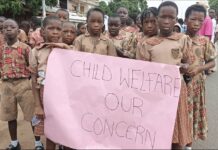
This came to the fore during activities, including a route match and community sensitisation, undertaken by World Vision to mark this year’s International Women’s Day in Pase, a rural community in the district.
The Gender Desk and Planning Officer at the Wa West District Assembly, Naah Faustina Hilda, said the celebration was meant to remind women that their efforts, though often overlooked, are being recognised at all levels.
“Even though what they are doing may seem small to them, the nation is acknowledging their contributions,” she stated.
She highlighted a number of challenges confronting women in the district, particularly in education, economic empowerment, and access to water.
According to her, many women in the area have not had a formal education, a situation that continues to affect young girls.
“A lot of women have not seen the benefit of education, so they do not send their girl children to school. They believe a girl’s role is in the kitchen or on the farm,” she explained.
Economic hardship also remains a major barrier, with many women lacking the capital to start or sustain businesses.
Hilda, further revealed that some women face setbacks when men borrow from their businesses and fail to repay, undermining their efforts to grow financially. To address this, she advised women to be cautious in lending.
Fathiyat Numbo Mohammed, Gender Equity, Disability and Social inclusion specialist, underscored the importance of this year’s theme, describing it as a shift from viewing support for women and marginalised groups as charity to recognising it as a pathway to sustainable development.
Fathiyat emphasised the need for inclusivity, representation, and equal access to opportunities.
“We must ensure people have unhindered access to opportunities and are represented in decision-making processes. We cannot continue making decisions for people without their input,” she said.
She also highlighted the importance of building resilient communities and sustaining development interventions beyond donor support. While acknowledging government efforts, she called for improvements in implementation.
Fathiyat further advocated for gender-responsive budgeting and community participation in development planning.
The beneficiary women, while expressing gratitude to World Vision, called on stakeholders to invest more in women.
This year’s celebration was under the theme; “Give to Gain”.
By Ibrahim Abubakari Wangara