
Government has signaled a stronger regulatory action on small arms and light weapons as regional stakeholders push to limit the use of explosive weapons in populated areas.
Ghana has reaffirmed its commitment to protecting civilians from the devastating effects of explosive weapons, as it co-hosts a major regional workshop in Accra.
The workshop comes at a time when conflicts across Africa and beyond are intensifying, with the use of explosive weapons in populated areas continuing to inflict severe consequences on civilian populations.
From the rubble of war-torn cities to displaced communities across the Sahel and Sudan, the pattern remains deeply concerning civilians bearing the brunt of modern warfare. Homes are destroyed, hospitals reduced to ruins, and entire communities left traumatised.
At the center of discussions is the EWIPA Political Declaration, a global commitment adopted in Dublin in 2022, aimed at reducing the humanitarian impact of explosive weapons in populated areas.
The declaration calls on states to review military policies, improve data collection, and strengthen support for victims.
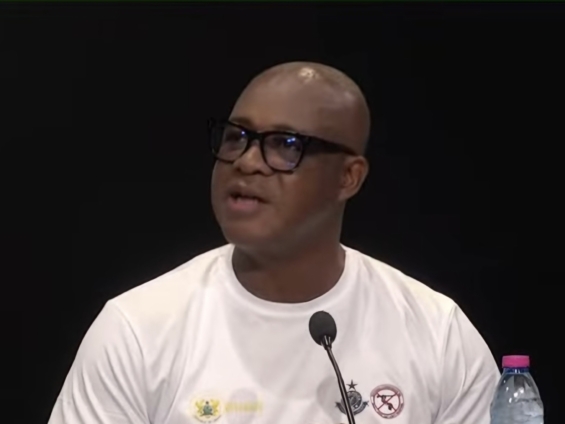
Speaking during the event, the Executive Secretary of the National Commission on Small Arms and Light Weapons Commission, Dr. Adam Bonaa, emphasized the need for action beyond rhetoric.
“We don’t gather here to produce another communiqué, but to translate commitments into real protection for civilians,” he stated.
He further noted that Ghana is currently reviewing its National Arms Bill and strengthening regulatory frameworks to better respond to emerging threats.
While Ghana is not an active conflict zone, officials caution against complacency.
Recent incidents such as the Appiatse and Konongo explosions – which resulted in loss of lives and widespread displacement – serve as stark reminders of the destructive potential of explosive materials, even outside war settings.
The Deputy Minister for the Interior , Ebenezer Okletey Terlabi, also stressed the urgency of preventive measures, noting that safeguarding civilians requires both strong legislation and effective enforcement.
“The protection of civilians is not just a legal obligation; it is a moral and strategic imperative,” the Minister added.
Experts at the workshop argue that Africa, given its experience with both conflict and post-conflict recovery, is uniquely positioned to shape global standards on civilian protection.
As deliberations continue in Accra, stakeholders are expected to outline practical steps to minimize harm, strengthen accountability, and ensure that civilian protection remains central in both policy and practice.
The outcomes of the workshop are expected to contribute to a broader continental and global effort to limit the use of explosive weapons in populated areas and reduce their devastating humanitarian impact.
‘Missing military ammunition: It could be theft, diversion, or both’ – Small Arms Commission CEO