
More than 8,000 workers of the Electricity Company of Ghana (ECG) are living in fear following a surge in accusations by some political actors alleging deliberate sabotage of the country’s power supply.
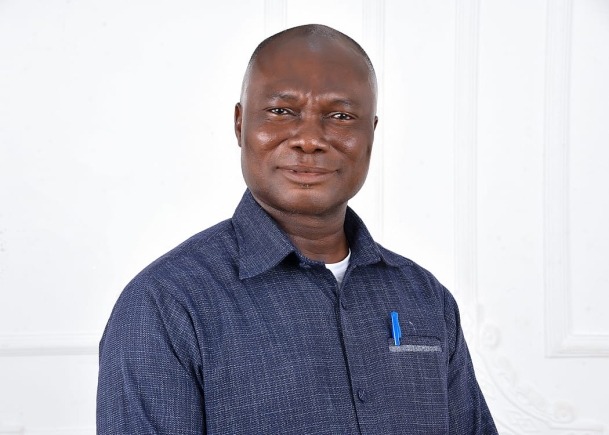
The claims have been strongly rejected by the Public Utilities Workers Union (PUWU), whose General Secretary, Timothy Nyame, described the allegations as dangerous and capable of triggering unrest within the energy sector.
Speaking exclusively to Onuaonline’s Daniel Opoku, Nyame cautioned that the rhetoric, if unchecked, could erode industrial harmony.
“No staff of ECG will deliberately shut down power. That is simply not possible—we are in the business of generating revenue,” he said.
“When commentators make such claims without evidence, they should rather come and investigate. What they are doing instead is inciting the public against ECG workers, and that is worrying.”
He further issued a direct appeal to those making the allegations: “We are sending a clear signal—they should refrain from this.”
PUWU says the situation is becoming increasingly volatile, warning that continued accusations and threats against its members could destabilize the broader energy sector.
The tensions come at a time when many parts of Ghana are grappling with prolonged power outages. In recent weeks, several communities have experienced blackouts lasting between two and three days, significantly disrupting businesses, education, and daily life.
The Ministry of Energy and Green Transition attributes the outages in part to ongoing infrastructure upgrades by ECG. However, the crisis deepened last week after a fire incident damaged portions of the Akosombo Dam, affecting power generation.
In response, the Minister for Energy and Green Transition, John Jinapor, directed the head of GRIDCo to step aside pending investigations into the incident. He has also instructed ECG to provide regular updates on outages as public pressure mounts for greater transparency.
Meanwhile, PUWU is backing calls for the publication of a comprehensive load-shedding timetable to help Ghanaians better plan amid the uncertainty.
“Management already provides reports on local outages. If these are compiled and published as a timetable, it will go a long way to help the public plan,” Nyame noted.
Despite the challenges, the union insists its members remain committed to their duties and should not be made scapegoats for systemic issues within the power sector.
As investigations continue and frustrations grow, many Ghanaians are hoping for swift solutions—and a return to stable electricity supply.
By Daniel Opoku