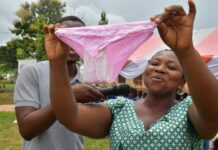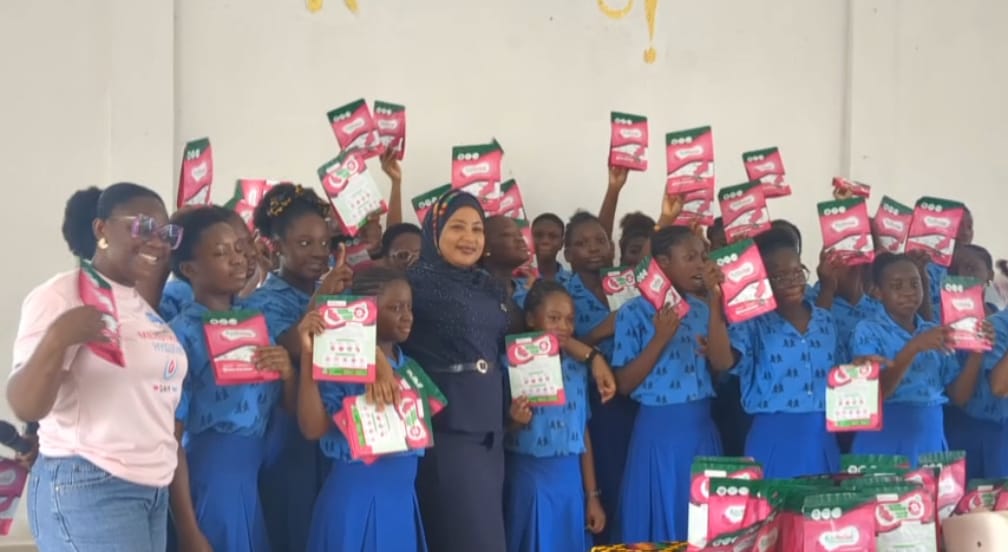

The Manhyia Government Hospital has commemorated this year’s World Menstrual Hygiene Day with an educational outreach programme for students of SOS School at Asokore Mampong in the Ashanti Region.
The programme, funded by the Mem Roots of Vitality Foundation, focused on educating young girls on proper menstrual hygiene practices, understanding the menstrual cycle, and breaking cultural stigma surrounding menstruation.
Health professionals from the hospital engaged students in interactive discussions on menstrual health management, personal hygiene, and the importance of confidence and self-care during menstruation.
Speaking during the event, the Midwifery Officer at the Manhyia Government Hospital, Memuna Ezzedin Muntaka, stressed the importance of educating girls on menstruation at an early age to help them better understand the changes in their bodies.
According to her, many girls begin menstruating at an early age, making it necessary for schools and parents to provide accurate information and guidance.
“Mostly adolescence starts earlier, maybe from age 9 to 15 thereabout. So, I chose them so that they will understand what the menstrual cycle is and know that it is not something impure or unclean,” she said.
She noted that many misconceptions about menstruation are often passed down at home, leaving young girls confused and vulnerable.
“Most of them learn it from their homes, and if they don’t get the right knowledge about it, they may end up doing things that could negatively affect their health,” she added.
Mrs Muntaka further encouraged girls to speak openly about menstrual health issues and seek guidance from parents, teachers, and health professionals whenever necessary.
Authorities of SOS School also used the occasion to call on government, corporate institutions, and non-governmental organisations to invest more in menstrual hygiene education and support for adolescent girls.
The Headmistress of SOS Children’s School at Asokore Mampong appealed for stronger collaboration to help address the challenges many girls face during menstruation.
“We are asking government and corporate bodies to come on board to celebrate this special day for girls. This is a natural phenomenon that no girl can do away with, so they need support,” she said.
According to her, although efforts are being made, more investment is needed to ensure girls have access to sanitary products and proper menstrual hygiene education.
“The government is doing well, but they need to do more. Government should organise more programmes to educate females on how to keep themselves clean during menstruation and make sure they are not embarrassed because menstruation is a natural phenomenon,” she added.
Some students who participated in the programme also expressed appreciation for the education, describing it as timely and helpful in boosting their confidence and understanding of menstrual hygiene.
They further appealed for regular educational programmes and support with sanitary pads, noting that the high cost of menstrual products continues to affect school attendance and concentration among some girls.
The event formed part of broader efforts to promote menstrual health awareness, eliminate stigma, and ensure that young girls manage menstruation safely, confidently, and with dignity.
By Ibrahim Abubakar