
The Ghana Employers Association (GEA) has urged government to maintain the country’s current macroeconomic stability to help businesses grow and create more jobs following the exit from the International Monetary Fund (IMF) programme.
The Association says sustained economic discipline and targeted investment in productive sectors, especially agriculture, will be critical in protecting recent gains made in the economy.
Chief Executive Officer of the GEA, Alex Frimpong, made the remarks in an exclusive interview with Labour Affairs Correspondent Daniel Opoku in Accra.
According to Mr. Frimpong, Ghana’s economy has shown significant improvement since 2025, restoring confidence among employers and investors.
Economic indicators released at the end of last year showed inflation dropping sharply to 5.3 percent from 23.8 percent in 2024. The country also recorded an overall Gross Domestic Product (GDP) growth of 5.5 percent, while the Ghana cedi maintained relative stability against major trading currencies.
Data from the Ghana Statistical Service further indicated that between 330,000 and 690,000 jobs were created by businesses and entrepreneurs across the country.
Despite the progress, youth unemployment remains a major challenge, with about 13 percent of young people between the ages of 15 and 24 still unemployed.
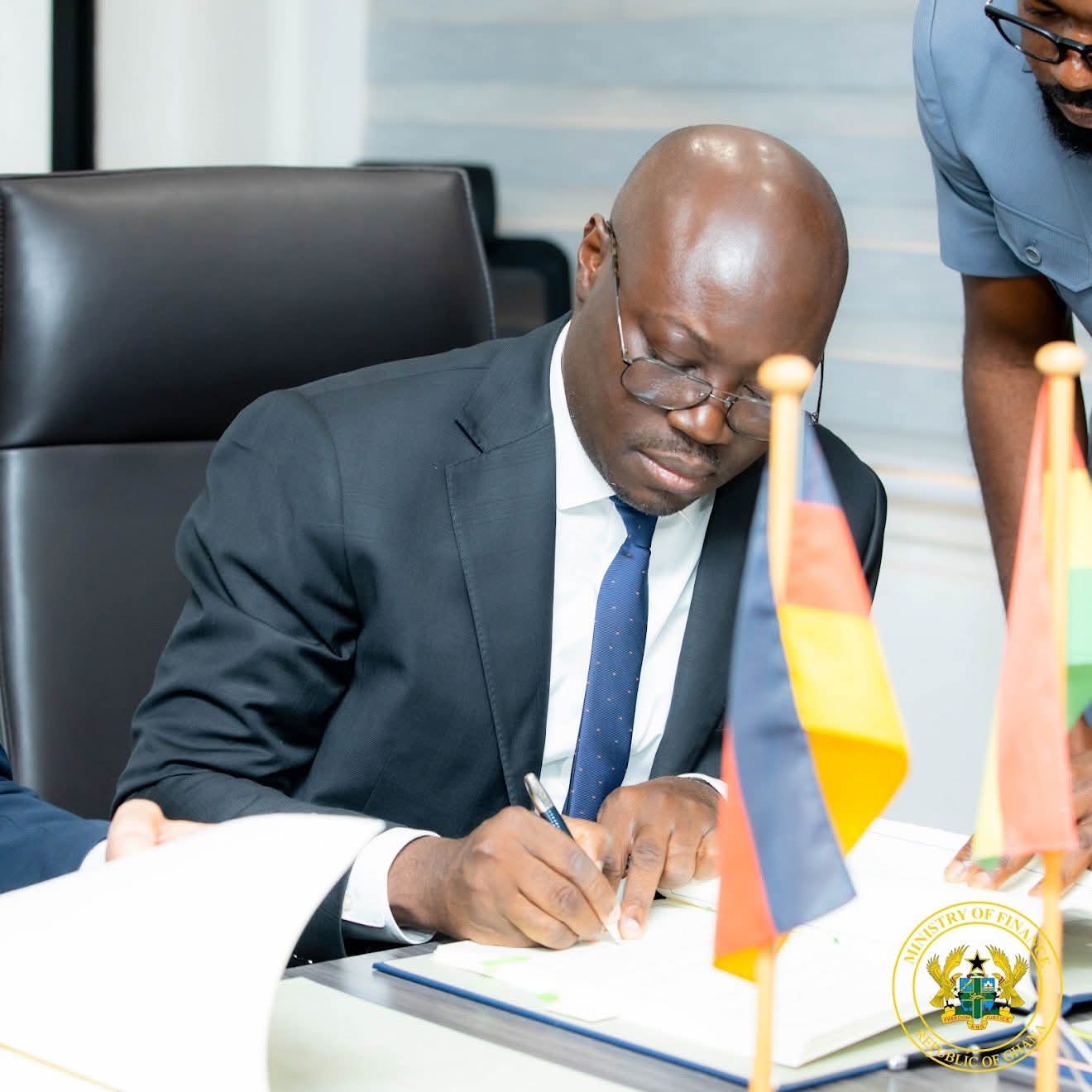
Government, through the Ministry of Finance, has introduced measures aimed at sustaining the economic recovery as the country concludes its IMF programme this month.
Mr. Frimpong stressed the need for government to deepen investment in agriculture and other sectors capable of generating sustainable employment opportunities.
“Let’s pray that there is economic progress and economic stability. If businesses are comfortable and the economy does not move one step forward and three steps backwards, then I am sure we should be able to witness economic improvement that is commensurate with employment creation,” he said.
He further cautioned government against economic mismanagement after the IMF programme, noting that businesses depend heavily on policy consistency and economic predictability for planning and expansion.
“We are not satisfied and we are not there yet, but at least the signs show that businesses can predict and forecast what is going to happen. For me, if businesses have that type of arrangement, then it helps in planning and forecasting,” Mr. Frimpong added.
The Ghana Employers Association believes that maintaining fiscal discipline and stable economic policies will encourage businesses to recruit more workers and support long-term economic growth.
Employers across various sectors are expected to increase hiring if the current economic stability is sustained.
By Daniel Opoku