
The German Development Cooperation (GIZ), in partnership with Zoomlion Ghana Limited and Blue Skies Products Ghana, has launched the InnoWaste Project, an ambitious initiative aimed at transforming plastic waste into economic opportunities while tackling Ghana’s growing environmental crisis.
The project, officially launched in Accra on Thursday, May 28, is being implemented under the develop programme on behalf of the German Federal Ministry for Economic Cooperation and Development (BMZ).
Dubbed “InnoWaste: Empowering Youth through Innovative Plastic Waste Management Solutions,” the initiative seeks to create sustainable livelihoods across Ghana’s plastic waste value chain, particularly for women and young people.
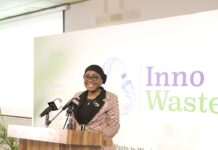
Speaking at the launch, Deputy Minister for Local Government, Chieftaincy and Religious Affairs, Rita Naa Odoley Sowah, described the project as both timely and strategic.
“By targeting plastic waste management, anchoring its work within local governance systems and focusing on the livelihoods of women and youth who are disproportionately represented in the informal waste economy, InnoWaste is an intervention that is both timely and strategic,” she stated.
She added that the project aligns with Ghana’s commitments to circular economy development and climate action.
The Deputy Minister stressed that Ghana’s transition to a circular economy requires stronger partnerships between government, development agencies and the private sector.
“The InnoWaste partnership embodies the kind of collaboration government envisions where government leadership, development cooperation and private sector investment converge to solve critical national challenges,” she noted.
Technical Advisor for develoPPP, Donald Manlenze Eshun, disclosed that the project, which began in October 2025 and will run until September 2028, is expected to create 600 jobs, with at least 30 percent reserved for women and 60 percent for youth.
He said the initiative also aims to improve the working conditions of over 3,600 people in the plastic waste sector while increasing income opportunities for more than 365 actors within the value chain.
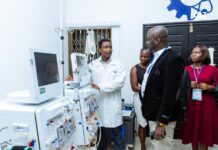
According to him, the project will support waste collectors and aggregators with tricycles, hand carts, baling machines and other equipment to improve plastic collection and recycling activities.
“We need to catch them young. We need to install the mindset of plastic waste management in their minds so that when they grow, they are already aware of what plastic waste management is about,” he said.
As part of its public education drive, the project will train teachers, community leaders and other stakeholders on proper waste management practices, while pilot recycling curricula and media campaigns will also be introduced.
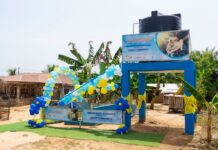
The project further plans to introduce plastic vending machines at selected locations where residents can deposit plastic bottles in exchange for rewards.
In addition, a digital mobile application will be developed to connect waste generators, collectors, aggregators and recycling companies in real time.
Chief Director at the Ministry of Environment, Science, Technology and Innovation, Suweibatu Adam, described the project as crucial in addressing Ghana’s worsening plastic waste problem.
According to her, Ghana generates approximately one million metric tonnes of plastic waste annually, yet only 9.5 percent is currently collected for recycling.
“The rest ends up in our drains, rivers, oceans and communities, threatening marine ecosystems, agricultural land, public health and livelihoods,” she warned.
Ms Adam further cautioned that plastic leakage into Ghana’s water bodies could rise by 190 percent between 2020 and 2040 if urgent interventions are not implemented.
She, however, indicated that the country stands to gain significantly from improved recycling efforts.
“Research by the Ghana Climate Innovation Centre estimates that Ghana could generate more than GH¢88 million annually simply by recycling its plastic waste. This is the opportunity we are here to seize,” she stressed.
Head of Foundation, Brand Communications and Public Affairs at Blue Skies Products Ghana, Alistair Djimatey, said the company joined the initiative due to increasing concerns over plastic pollution.
“Plastic waste has become one of the biggest environmental challenges of our generation. Yet within this challenge, there is also an opportunity,” he stated.
Meanwhile, Head of the Zoomlion Foundation, Thomas Narh Korley, revealed that the company will provide 200 hand carts free of charge to waste pickers and also support aggregators with cages, tricycles, shelters and baling machines.
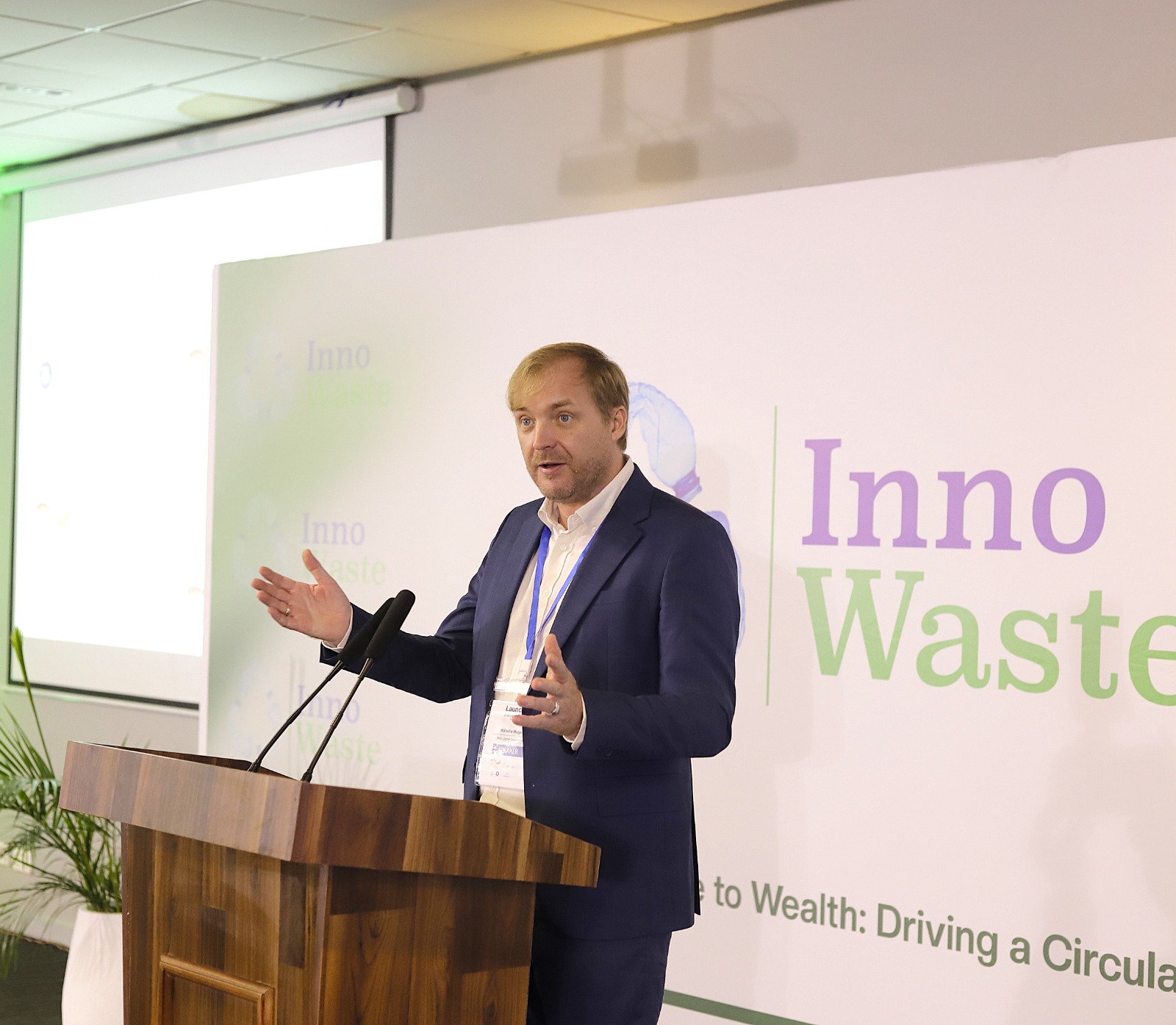
Cluster Coordinator for Network for Inclusive Economic Development at GIZ, Wilhelm Hugo, said the project represents a “triple win” for Ghana by promoting environmental sustainability, economic growth and social inclusion.
“We can create jobs, protect the environment and support economic development at the same time,” he said.
The InnoWaste Project is expected to run until 2028, with organisers hoping it will help create cleaner communities, expand recycling activities and build a more sustainable waste management system across Ghana.
By Wisdom Sarfo