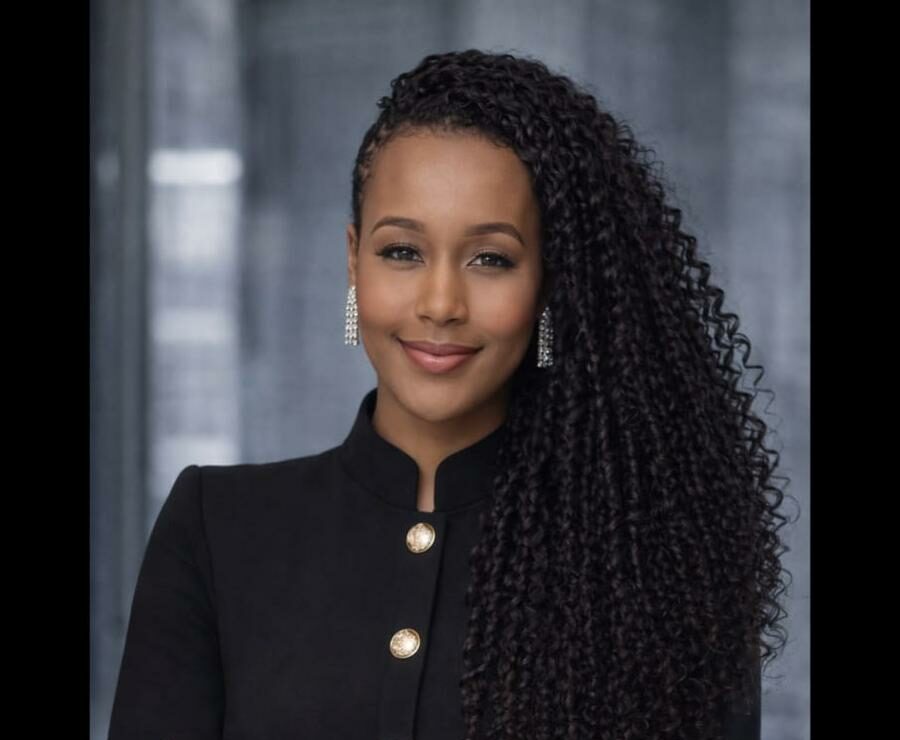

Private legal practitioner, Amanda Clinton has raised concerns about how Ghana’s internal governance and public anti-corruption narrative may be influencing international perceptions of political and legal cases involving high-profile figures.
She argued that statements and narratives emerging from political and institutional actors can significantly shape how foreign authorities interpret ongoing legal matters.
Clinton said allegations of political persecution must be examined within the broader context of how corruption and governance are perceived internationally.
She referenced global corruption perception indicators, arguing that such indices and external intelligence reports influence how countries like Ghana are assessed.
“If I was abroad representing Ofori-Atta in a political persecution case, Ghana has literally handed over more than 400 articles you can independently search online,” she said.
She added that public commentary, media reports, and political communication can sometimes reinforce narratives of persecution, whether intended or not.
“In terms of what I have seen, arguments around political persecution definitely gain traction depending on how the narrative is shaped,” she noted.
Clinton also suggested that inconsistent enforcement and public messaging around corruption cases can affect credibility in international legal discussions.
She cautioned that anti-corruption efforts must be applied consistently across political lines to avoid perceptions of bias or selective enforcement.
“If you’ve got a less than one percent rate of corruption in your own party, those figures don’t match globally,” she said.
According to her, international observers expect accountability systems to apply uniformly, especially to politically exposed persons.
She concluded that while anti-corruption communication strategies are important, they must be balanced with fairness, consistency, and institutional credibility to maintain trust both locally and internationally.
By Christabel Success Treve