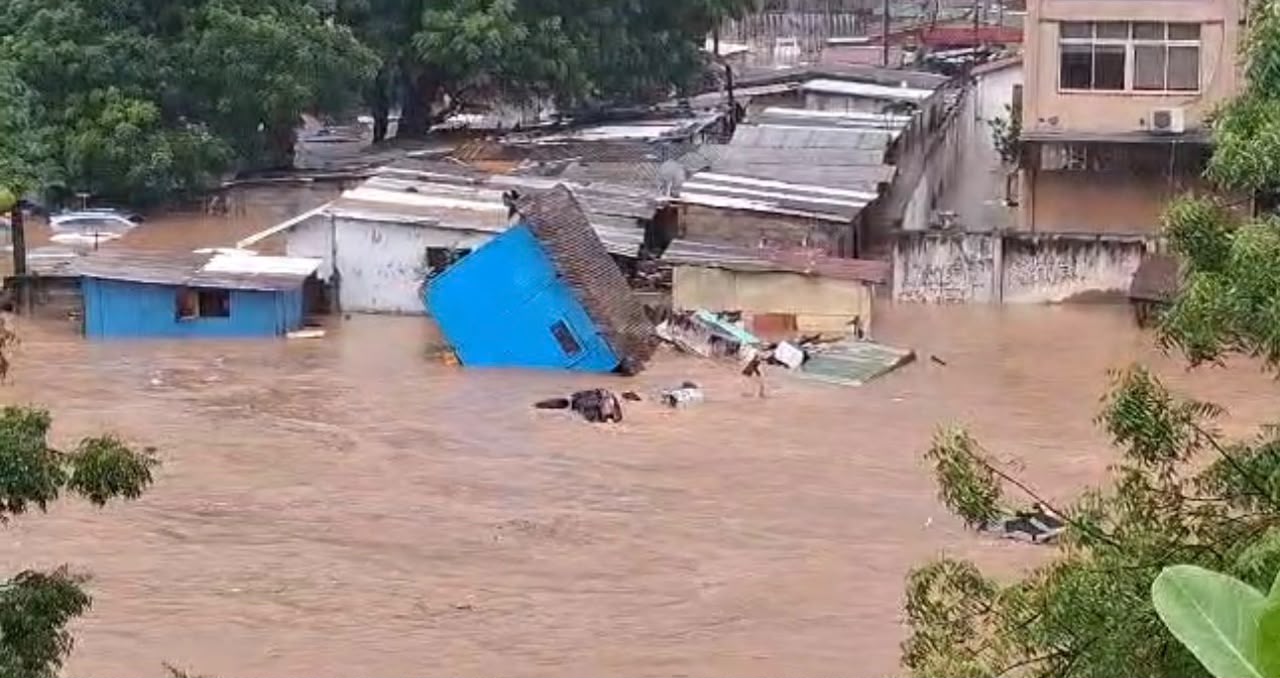

The Chief Executive of the Environmental Protection Authority (EPA), Professor Nana Ama Browne Klutse, has described the devastating flooding situation in Greater Accra as “sad” but insists it is entirely avoidable.
Speaking during the start of her three-day working visit to the Western Region, Professor Klutse did not mince words about the recurring disaster that has claimed lives and destroyed property across the capital.
However, she offered a clear path forward- tackle the human-made causes, even if nature cannot be controlled.
Professor Klutse identified three key factors driving Accra’s perennial floods:
1. Heavy rainfall – which cannot be stopped.
2. Blocked waterways – caused by unauthorised building structures along natural drainage paths.
3. Choked gutters clogged with plastic waste and styrofoam, preventing water from flowing freely to the sea.
“The flooding in Accra currently is a sad situation because we have lost lives and we have lost properties,” she lamented.
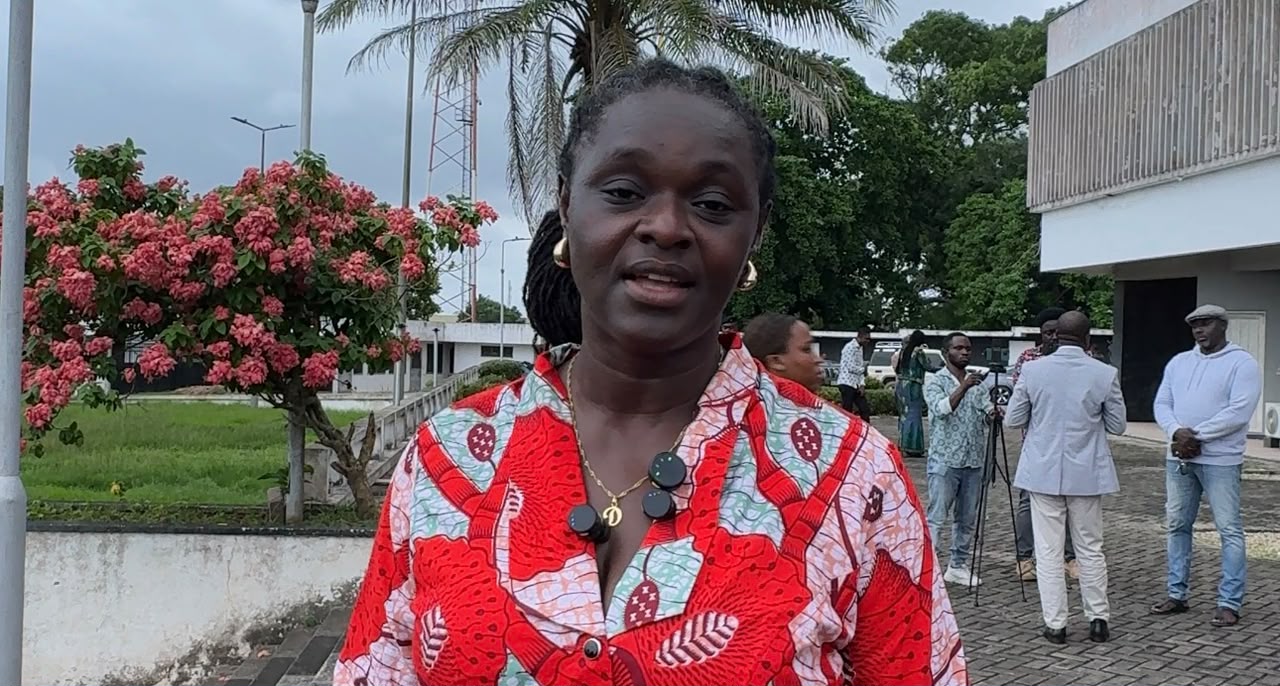
“We have seen three different things happening heavy rain is one of them. But we also see that the pathways for water to flow to major rivers and wetlands are blocked because people have built on water waterways.”
She further noted that even when water does find a path, it is often obstructed by waste. “If you look into the water, you see plastics and styrofoam waste materials dumped into flowing waters that are supposed to get to the sea. These choke the pathways as well.”
While acknowledging that Ghana cannot halt the rains, Professor Klutse made a compelling case for what can be controlled.
“At least, if we can’t avoid the heavy rain from coming, we can avoid choked gutters and allow waters to flow,” she stated firmly.
To achieve this, the EPA with the backing of President John Mahama is doubling down on its regulatory push. Professor Klutse reiterated that the Authority will continue to insist on the ban on styrofoam products. Even more significantly, she hinted that the long-anticipated ban on single-use plastics is now firmly on the horizon.
“During our engagement, we also hinted that the ban on single-use plastics is on its way,” she revealed. “The styrofoam ban starts, and surely we will engage stakeholders on the ban on single-use plastics.”
Perhaps the most striking takeaway from her address was a concrete timeline. Professor Klutse made it clear that the EPA is not merely paying lip service to environmental reform as enforcement is in in the works.
“We believe this will help salvage the situation when there is flooding or heavy rain during the rainy season. We don’t want to see any flooding, especially in Accra,” she declared.
“If we are successful which we believe we will be and all Ghanaians cooperate with us, if we agree on the ban, January 1, 2027, the EPA will continue the enforcement. We believe Ghanaians will subscribe.”
Professor Klutse painted an optimistic picture of what Ghana could look like if the bans succeed and citizens play their part.
“Then, by May, June, and July next year [2027], we will not see any more flooding in our waterways, in Accra, or in the major cities of this country,” she projected.
Her message was clear: the rains will keep falling, but the floods do not have to follow. With political will, stakeholder collaboration, and public cooperation, Ghana’s urban centres can finally break the cycle of devastation.
By Ebenezer Atiemo