
Cashew farmers across the Bono Region are grappling with the growing impact of climate change, as erratic rainfall patterns, rising temperatures and prolonged dry spells continue to threaten production and reduce the profitability of one of Ghana’s most important cash crops.
The Bono Region remains Ghana’s leading cashew-producing area, contributing nearly 48 percent of the country’s annual raw cashew nut output, estimated between 180,000 and 234,000 metric tonnes.
However, changing climatic conditions are increasingly undermining the sector, raising concerns over the long-term sustainability of cashew farming and the livelihoods of thousands of smallholder farmers.
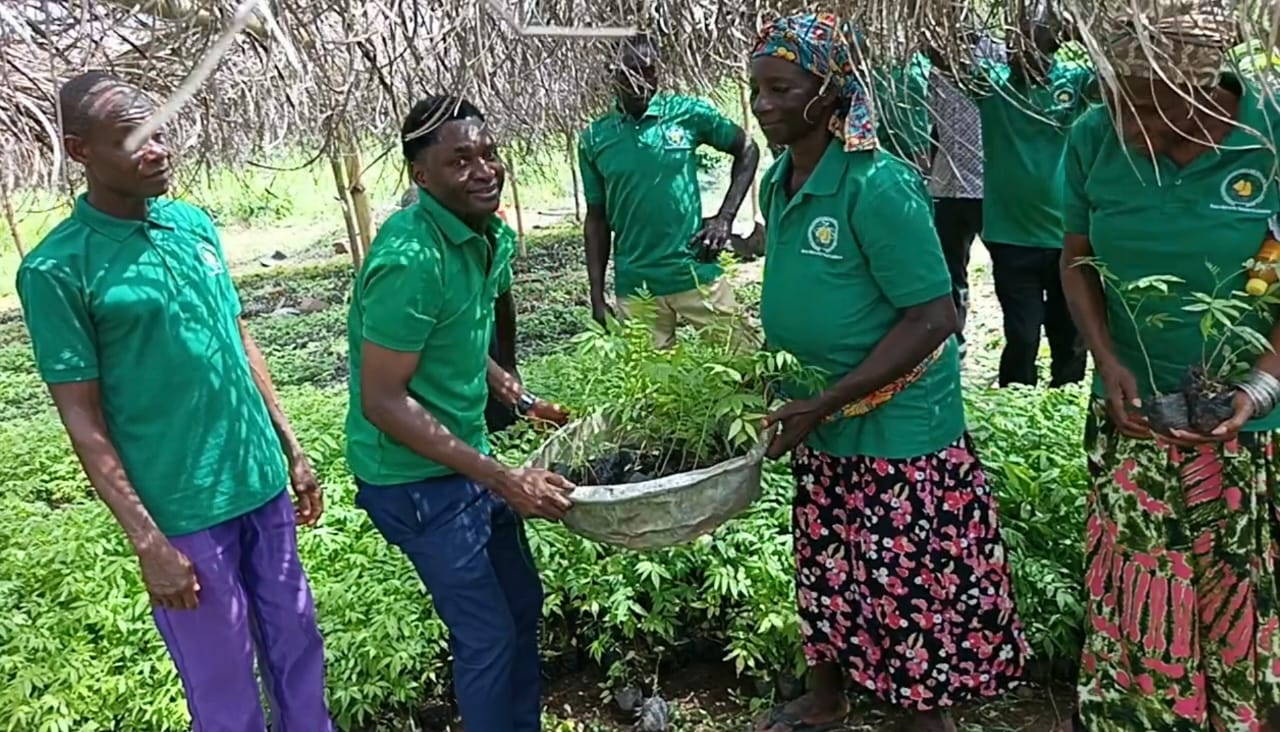
In response to these challenges, MIMSHACK Co-operative Cashew Farmers Marketing Society Limited has distributed approximately 45,000 tree seedlings to cashew farmers to promote climate-smart agriculture and strengthen resilience through agroforestry.
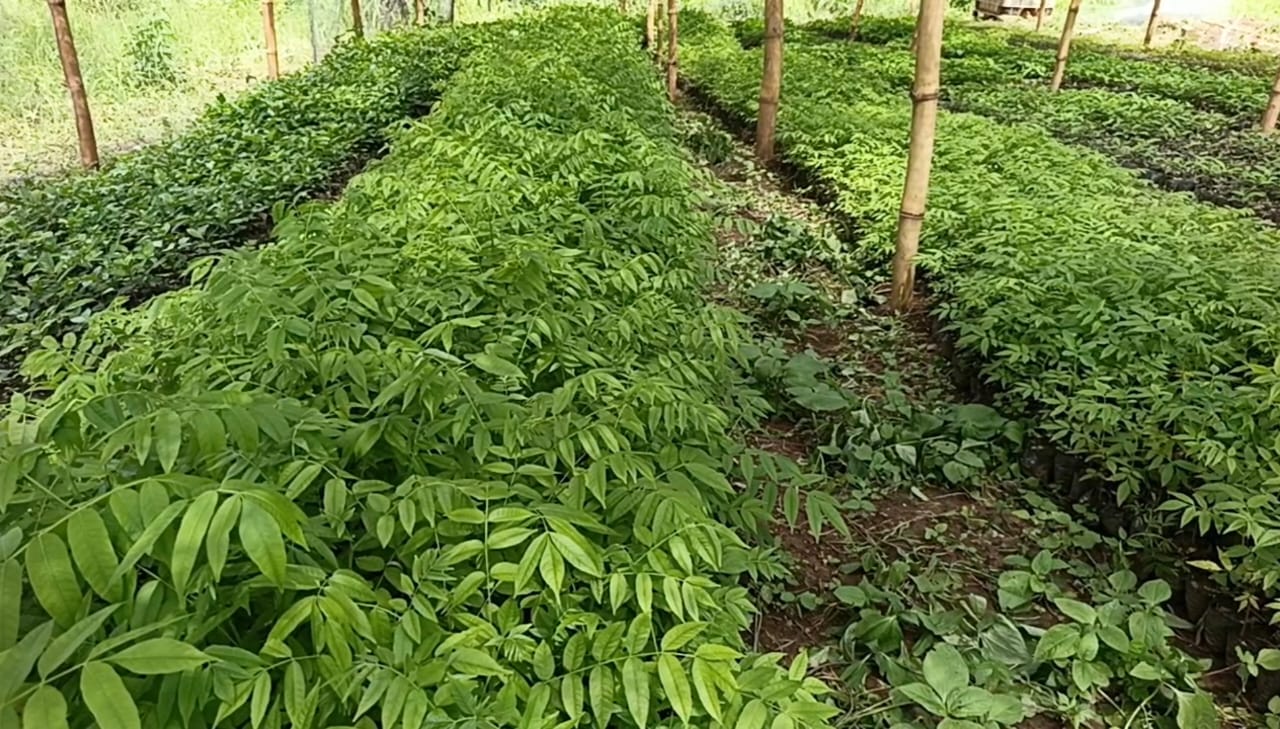
The initiative, implemented with support from the Food and Agriculture Organization’s Forest and Farm Facility (FAO-FFF) and the Asia Africa Sustainability and Innovation Alliance, seeks to integrate indigenous and economic tree species into cashew farms to improve environmental sustainability while enhancing farm productivity.
Speaking at the distribution ceremony, the General Manager of MIMSHACK Co-operative Cashew Farmers Marketing Society Limited, Amos Kwasi Bintir, described the programme as a strategic intervention designed to help farmers adapt to the effects of climate change while safeguarding the future of the cashew industry.
He explained that incorporating shade trees into cashew plantations would create healthier farm ecosystems by reducing the effects of excessive heat, serving as windbreaks, improving soil fertility through the accumulation of organic matter, conserving moisture and enhancing biodiversity.
These ecological benefits, he noted, are expected to translate into improved cashew yields and increased farm incomes over time.
Mr. Bintir stressed that the initiative goes beyond improving current production, describing it as an investment in environmental stewardship and sustainable agriculture that will benefit future generations.
He expressed gratitude to FAO-FFF, the Asia Africa Sustainability and Innovation Alliance, the Ministry of Food and Agriculture (MOFA), traditional authorities, the society’s board members and participating farmers for their commitment and support towards the successful implementation of the programme.
He further called on Ghanaians to embrace tree planting as a practical and cost-effective solution to combating climate change.
”Plant a tree today because trees are life. Whether on farms, in schools or at home, planting trees is one of the most effective ways to restore the environment, mitigate climate change and secure a sustainable future for generations to come,” he urged.
The seedlings distributed comprise mahogany, cedrela and emire species. More than 30,000 seedlings were supplied through FAO-FFF, while the Asia Africa Sustainability and Innovation Alliance contributed over 10,000 emire seedlings to complement the exercise.
The agroforestry initiative forms part of broader efforts to build resilient farming systems, restore degraded landscapes and promote sustainable agricultural practices that will enable Ghana’s cashew sector to withstand the increasing pressures of climate change while improving the livelihoods of farming communities.
By Claude Kumi Abisa