
The Northern Network for Education Development (NNED) and its partner organisations have called on the government to urgently address the classroom infrastructure deficit affecting thousands of basic schools, particularly in Northern Ghana.
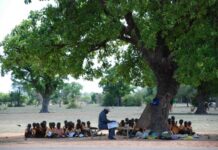
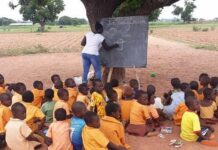
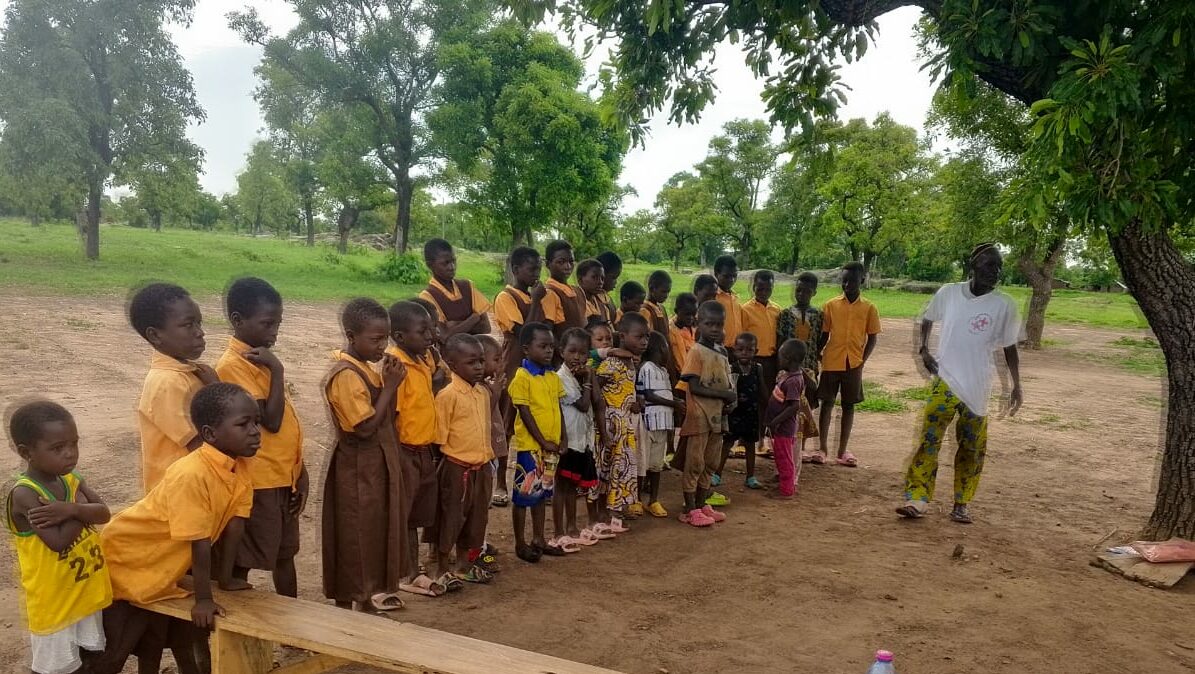
NNED cautioned that millions of children continue to study under trees and in unsafe temporary structures.
In a joint press statement issued in Tamale on July 10, and sighted by 3news.com, the organisations expressed concern over findings in the 2025 Auditor-General’s Report, which revealed that 10,730 basic schools across 13 regions do not have classroom blocks.
According to the report, the situation has left more than three million pupils learning under trees, in churches, sheds and other makeshift structures.
The education advocacy groups said the situation is a harsh reality in many rural and deprived communities across Northern Ghana, where children are regularly exposed to rain, excessive heat, dust, noise and other distractions that undermine effective teaching and learning.
They noted that the lack of proper classrooms contributes to low school attendance, weakens pupils’ concentration and negatively affects academic performance.

The organisations argued that no child should be denied quality education because of where they were born, stressing that the classroom deficit continues to widen the gap between urban and rural schools while disproportionately affecting girls, children with disabilities and learners from poor households.
NNED therefore called on the Government of Ghana, the Ministry of Education, the Ghana Education Service, Metropolitan, Municipal and District Assemblies, and Members of Parliament to treat the classroom shortage as a national emergency.
The groups urged authorities to prioritise the construction of safe, accessible and well-equipped classroom blocks in deprived schools, especially in underserved communities across Northern Ghana.
They also appealed to the government to publish a comprehensive action plan outlining the schools affected, timelines for construction, budgetary allocations and monitoring mechanisms to ensure accountability and timely delivery of classroom projects.
The statement emphasised that education remains the foundation of national development and warned that Ghana cannot build a prosperous future while millions of children continue to receive lessons under trees.
The joint statement was signed by NNED Coordinator Gaskin Dassah, Dr Rashid Yahay of the Centre for Development in Freedom Ghana (CDF Ghana), and Raymond Ayinne of AfriKids Ghana.
By Ibrahim Wangara