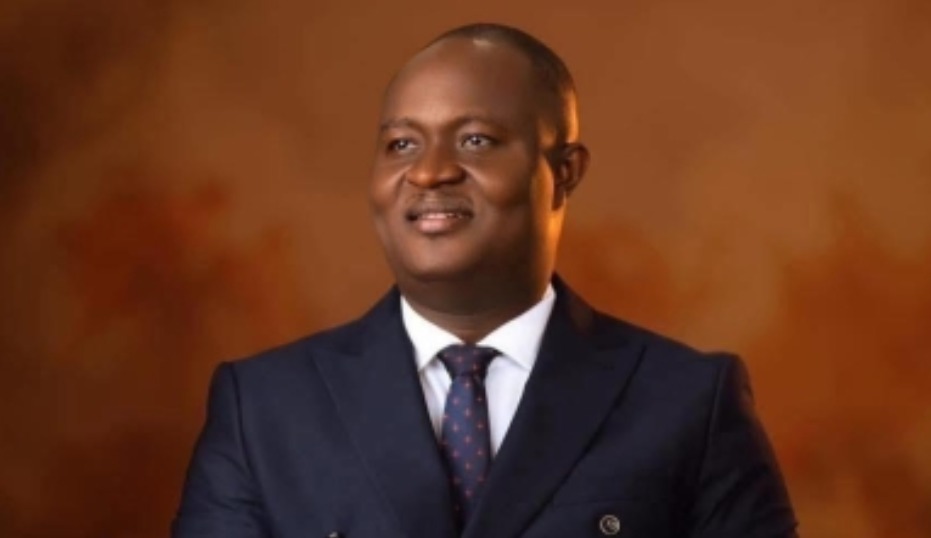

Private legal practitioner and New Patriotic Party (NPP) Communications Team member Kwasi Kwarteng has opposed the proposed revival of public tribunals, arguing that Ghana’s justice delivery challenges would be better addressed by strengthening the existing court system.
Speaking on the KeyPoints with Alfred Ocansey, Mr Kwarteng said the country’s judicial challenges stem from infrastructure deficits, delays and declining public confidence, not the absence of public tribunals.
“Ghana is not struggling because of the lack of tribunals. If today you introduce the tribunal system, the challenges within our justice delivery system will still not be removed,” he said on July 18.
According to him, government should prioritise investments in technology and infrastructure to improve the efficiency of the courts instead of creating parallel judicial institutions.
He lamented that courts, including the Supreme Court and Court of Appeal, still rely heavily on typing of proceedings.
“We are in the 21st century, yet everything said in court is typed manually. How much does it take to procure technological devices to transcribe proceedings?” he questioned.
Mr Kwarteng said reforms should focus on strengthening existing judicial structures rather than establishing tribunals with similar jurisdictions.
“The solution to the challenges confronting our justice delivery system is not the creation of tribunals,” he stated.
He argued that the proposed tribunals would duplicate the functions of existing courts.
“Why don’t you strengthen the existing courts rather than creating an institution whose powers already exist in the courts?” he asked.
The legal practitioner also warned that Ghana’s history with public tribunals cannot be ignored.
He said the tribunal system evokes memories of human rights abuses, exploitation and corruption, making it difficult for the public to embrace its return.
“History cannot be ignored. The memories the tribunal system evokes are about abuses, human rights violations, exploitation and corruption,” he said.
Mr Kwarteng maintained that public confidence is central to justice delivery and cautioned against reviving institutions associated with painful chapters of the country’s history.
“Justice delivery thrives on the trust and confidence citizens place in the system. If you remind people of a dark history, it becomes difficult for them to support that institution,” he added.
On proposals to fast-track certain criminal cases, including illegal mining offences, Mr Kwarteng said while he supports speedy trials, they must not compromise fairness.
“Fast justice must not necessarily be rushed justice. We must be careful not to sacrifice fairness at the altar of speed,” he said.
He also expressed concern over the role of lay persons in the proposed tribunal system, arguing that deciding criminal matters requires an understanding of constitutional rights and legal principles.
“My concern is the extent of their participation in making decisions on criminal matters,” he said.
Mr Kwarteng further questioned the financial implications of establishing new tribunals at a time when Ghana is under fiscal constraints.
“Instead of spending money to establish tribunals, channel those resources into strengthening the existing courts,” he said.
By Christabel Success Treve