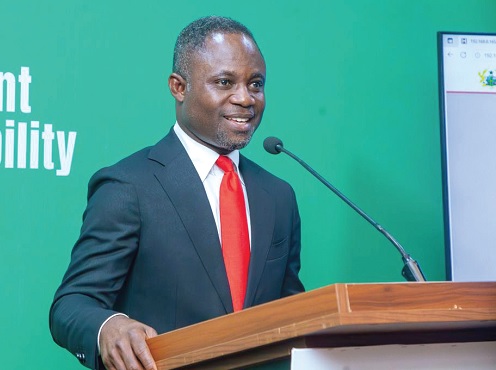

African countries have been urged to take greater responsibility for financing their health systems as the continent works towards achieving health sovereignty and universal health coverage.
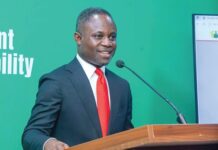
Opening the African Union Ministerial Meeting on Health in Accra on July 21, on behalf of President John Dramani Mahama, Health Minister Kwabena Mintah Akandoh said Africa must reduce its dependence on external funding and invest more of its own resources in building resilient health systems.
He said the continent has demonstrated that progress is possible, pointing to a nearly 60 percent decline in new HIV infections and a more than 50 percent reduction in AIDS-related deaths across eastern and southern Africa over the past generation.
Despite these gains, the Minister said Africa continues to shoulder nearly 70 percent of global maternal deaths, with almost 200,000 women dying each year from pregnancy and childbirth-related complications that are largely preventable.
He also noted that Africa’s Universal Health Coverage Service Coverage Index stands at 44, far below the global average of 71, leaving millions of families struggling to afford essential healthcare.
Mr. Akandoh said the time had come for African countries to move beyond declarations and make concrete investments in health, beginning with increased domestic financing in line with the Abuja Declaration.
He further called for stronger local manufacturing of medicines and vaccines, harmonized regulatory systems, pooled procurement and resilient supply chains to ensure Africa is better prepared for future health emergencies.
‘‘When healthcare pushes families deeper into poverty, we cannot honestly claim we have achieved universal health coverage. We have simply shifted the burden from illness to debt. This is precisely why the African Union Roadmap to 2030 and beyond is so important.
And it is why this Ministerial Session cannot become another conversation that ends in a declaration with no meaningful action. Our people deserve decisions. Allow me, therefore, to suggest three commitments that we can no longer postpone. First, we must finance our own health. The vision of the Abuja Declaration remains as relevant today as it was when it was first endorsed in 2001. Africa’s health systems must increasingly be financed by Africa’s own resources predictable, sustainable and domestically generated.’’ He said.
According to the Minister, the continent must no longer depend overwhelmingly on imported health technologies but build the capacity to produce essential medicines and vaccines within Africa.
Recommendations from the ministerial meeting are expected to inform discussions by African Heads of State as the continent advances its roadmap towards Health Sovereignty by 2030 and beyond.
By Sarah Apenkroh