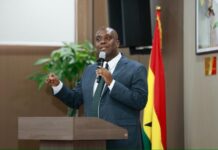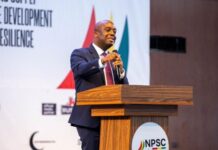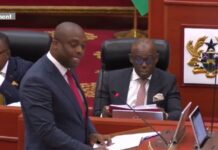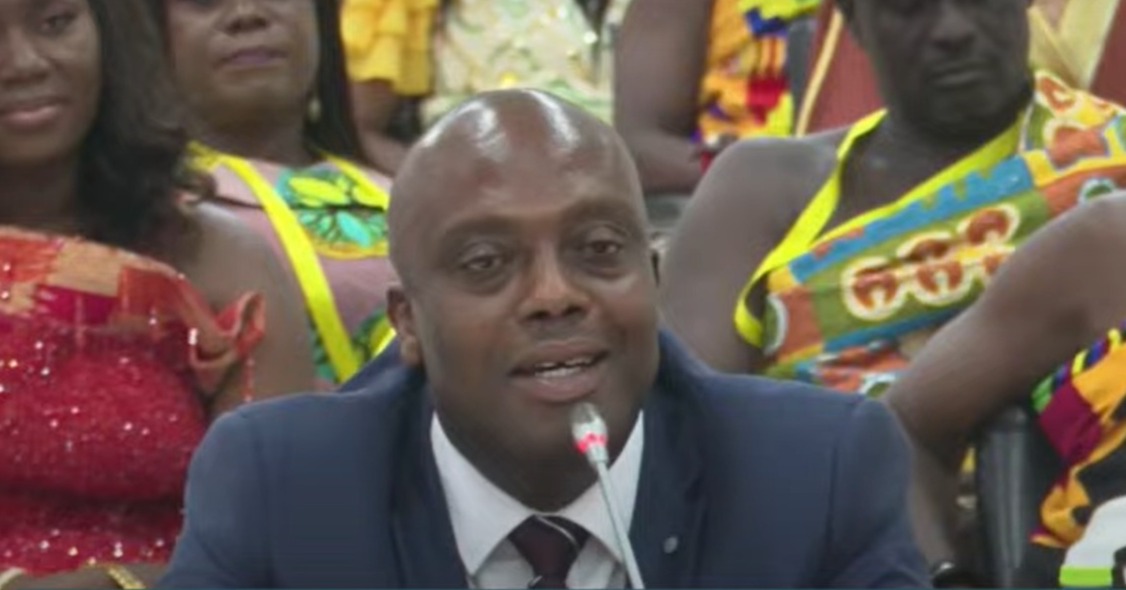

Deputy Minister of Finance, Thomas Nyarko Ampem, has justified the decision by the Finance Minister Dr Cassiel Ato Forson, to compare the present economic situation to what transpired under the New Patriotic Party (NPP) administration.
He says that for Ghanaians to appreciate the current situation, they need to remember where the country was heading under the previous administration.
“For you to appreciate where we are, it is critical that you appreciate where we came from. It was to put everything in context for everybody to appreciate the achievements.
“It was basically a good appreciation of the trajectory of the path this economy has travelled,” he said on the Key Points on TV3 Saturday, July 25.
The Minister of Finance, Dr Cassiel Ato Forson touted Ghana’s economic recovery in the 2026 Mid-Year Budget Presentation.
Presenting the budget in Parliament on Thursday, July 23, he stated that inflation is falling and the cedi is also holding firm.
He added that businesses are breathing again.
“To every trader, every entrepreneur, every worker who has persevered through difficult times, this recovery belongs to you,” he said.
Dr Ato Forson further said that every major macroeconomic indicator has improved significantly due to sound economic discipline.
He said that the recovery is a result of superior economic management.
He noted that when the Mahama administration took over governance, the economy was on its knees. However, with prudent policies, they have turned the corner.
“President Mahama took over an economy with reckless spending, excessive borrowing, and lack of accountability. President Mahama took over an economy that was on its knees,” he said.
“The cedi depreciated as never seen before,” he added.
He added, “The progress Ghana is recording today did not happen by chance. It is superior economic management”
Dr Forson further told the House that the economy must not be allowed to return to the period of excessive cedi depreciation.
“The 2022 economic crisis was not merely an accident but the result of poor policy choices, reckless spending and excessive borrowing,” he said.