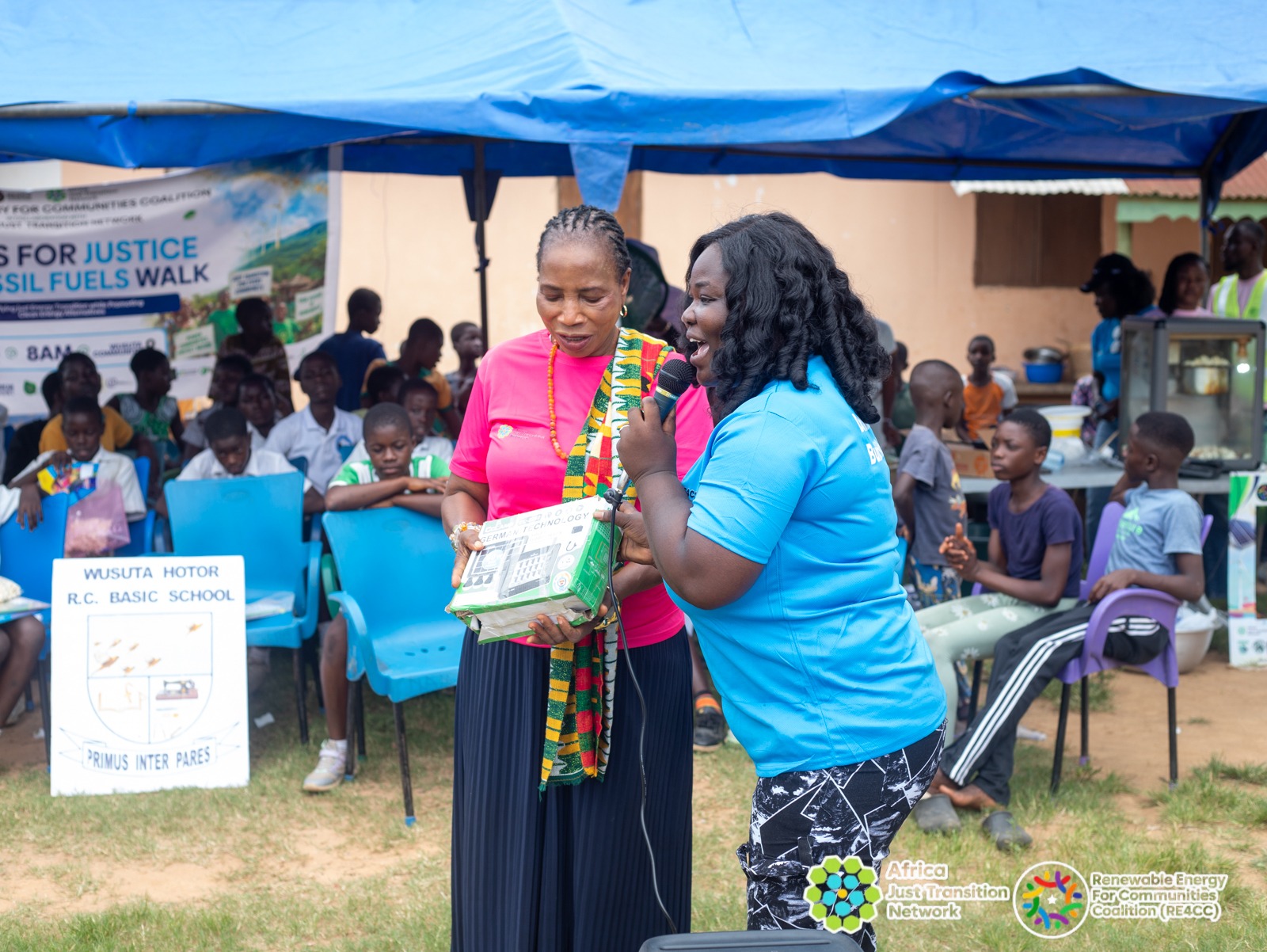

The Wusuta Community in the North Dayi District of the Volta Region has hosted a community durbar aimed at promoting renewable energy, climate justice, and Ghana’s transition to a cleaner and more sustainable energy future.
The event, held on July 24, 2026, was organized by the Renewable Energy for Communities Coalition (RE4CC) in collaboration with the African Just Transition Network under the theme, “Championing Just Energy Transition, Renewable Energy and Climate Justice.”
The durbar brought together traditional leaders, women, youth groups, civil society organizations, development partners, and community members to discuss practical approaches to addressing climate change while promoting affordable and clean energy solutions.
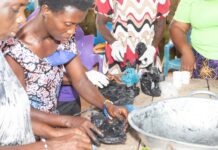
Participants also showcased briquettes produced from coconut husks during a training programme held a day earlier, demonstrating how agricultural waste can be transformed into clean cooking fuel.
Organizers said the initiative forms part of efforts to ensure that rural communities are not only beneficiaries of renewable energy interventions but also active participants in shaping Ghana’s clean energy transition.
Discussions focused on the environmental, social, and economic benefits of shifting from fossil fuels to renewable energy sources, including solar power and clean cooking technologies.
Participants emphasized the need to increase public awareness, strengthen community participation, and foster greater collaboration among government agencies, civil society organizations, traditional authorities, and development partners to accelerate the country’s renewable energy agenda.
Speakers noted that achieving climate justice requires equitable access to sustainable energy, particularly for underserved communities that are disproportionately affected by climate change and energy poverty.
They called for increased investment in community-driven renewable energy initiatives capable of creating green jobs, improving livelihoods, and enhancing resilience to climate-related challenges.
Community members were also encouraged to become advocates for renewable energy by promoting environmentally responsible practices, supporting the adoption of clean cooking technologies, and educating others on the importance of sustainable development.
Organizers stressed that meaningful climate action begins at the grassroots level, where local communities play a critical role in advancing Ghana’s just energy transition.
The Renewable Energy for Communities Coalition reaffirmed its commitment to working with communities and partners to expand access to clean energy while contributing to Ghana’s climate goals and Nationally Determined Contributions (NDCs).
The initiative also supports the achievement of several Sustainable Development Goals, including Goal 7 (Affordable and Clean Energy), Goal 13 (Climate Action), and Goal 16 (Peace, Justice and Strong Institutions), reinforcing the importance of community-led action in building a cleaner, more resilient, and inclusive future.
By Kingsley Adusei-Amakye