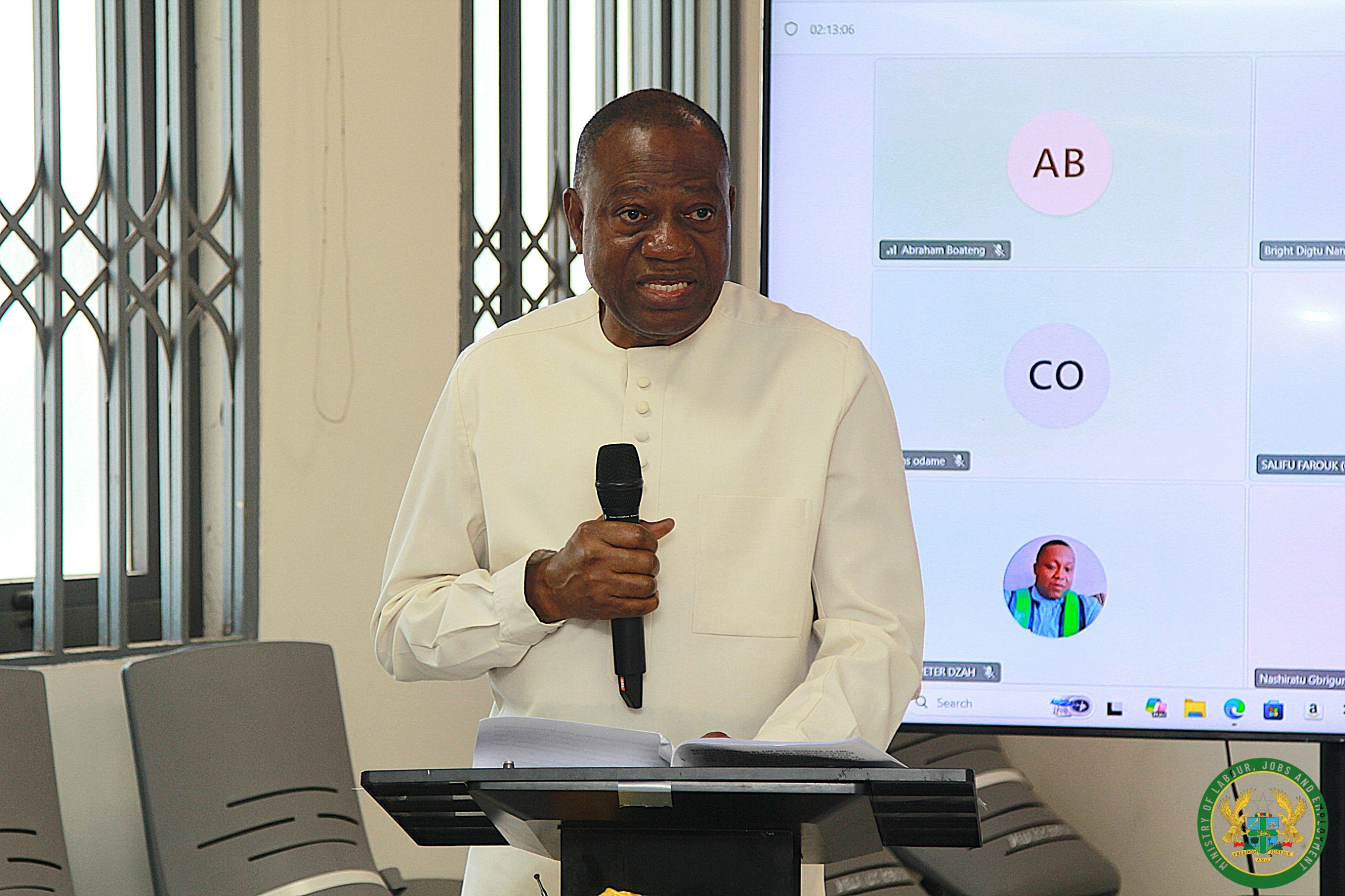

The Minister for Labour, Jobs and Employment, Dr Rashid Hassan Pelpuo, has underscored the importance of decent workplaces.
According to him, this has become even more important due to the introduction of technology and other modern ways of work.
The Minister said this in his Keynote address at the launch of National Workplace Compliance and Safety Management System (NWCSMS) Project on August 20.
The project marks an important milestone in Government’s efforts to modernise Ghana’s workplace compliance and occupational safety and health architecture.
The launch was used to bring together the key actors within Ghana’s labour and employment ecosystem to develop a common understanding of the Project, its objectives, implementation arrangements, expected outcomes and, importantly, the roles that each stakeholder is expected to play.
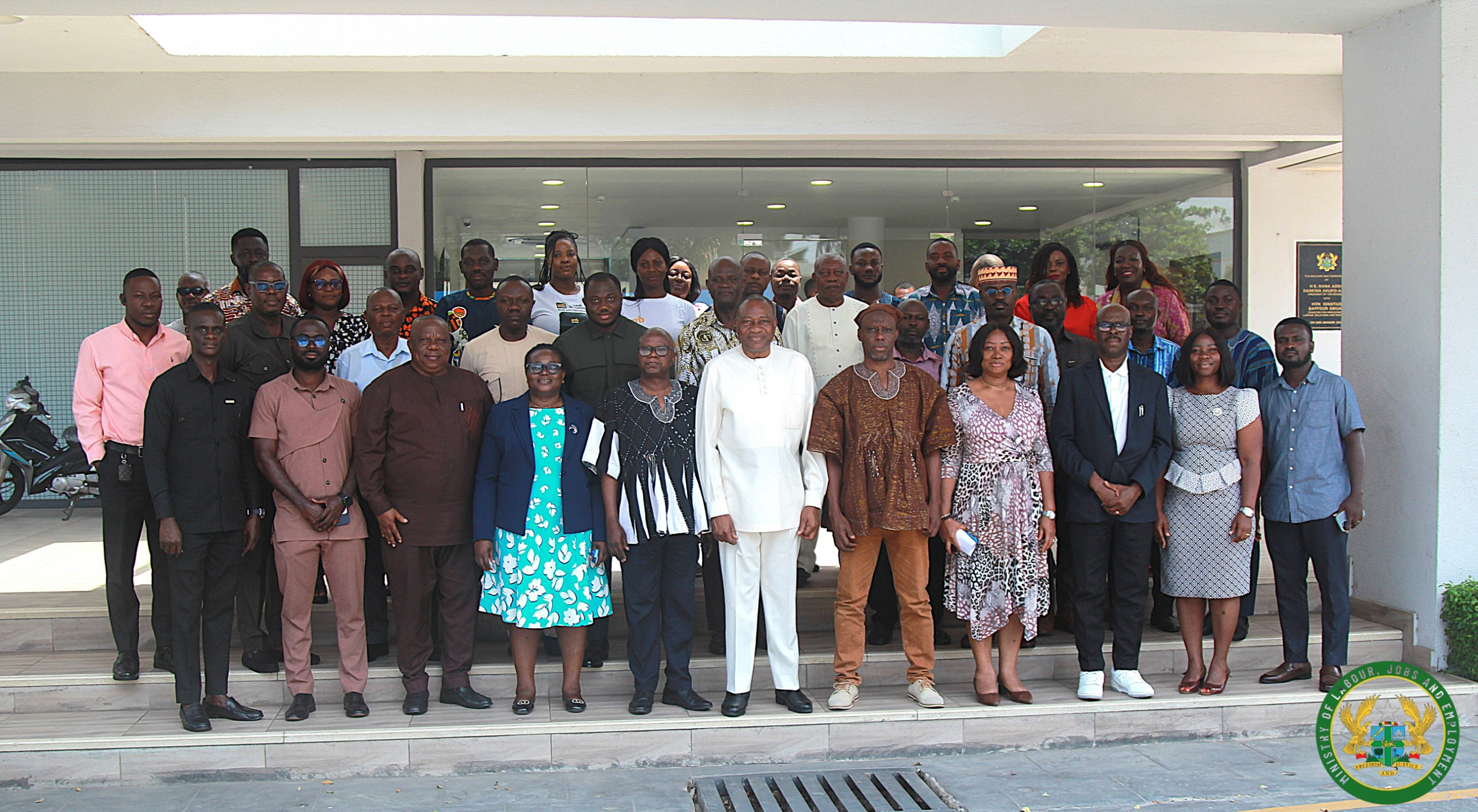
According to Dr Pelpuo, the Government recognises that decent work, occupational safety and health, productivity and sustainable economic development are mutually reinforcing.
“A productive economy cannot be built on unsafe workplaces. Similarly, our ambition to create sustainable and decent jobs must be accompanied by deliberate measures to protect workers from occupational injuries, diseases and other workplace hazards,” he stressed.
He noted that “Ghana has made considerable progress in strengthening labour administration and occupational safety and health. However, we must also acknowledge that the changing nature of work, rapid technological development, expansion of the informal economy, growth of new industries and emerging occupational risks require us to continuously modernise our regulatory and institutional systems.”
“The Government therefore considers the strengthening of workplace compliance and occupational safety and health not merely as a regulatory obligation, but as an important component of our broader agenda for job creation, productivity, enterprise development, social protection and inclusive economic transformation,” the Minister added.
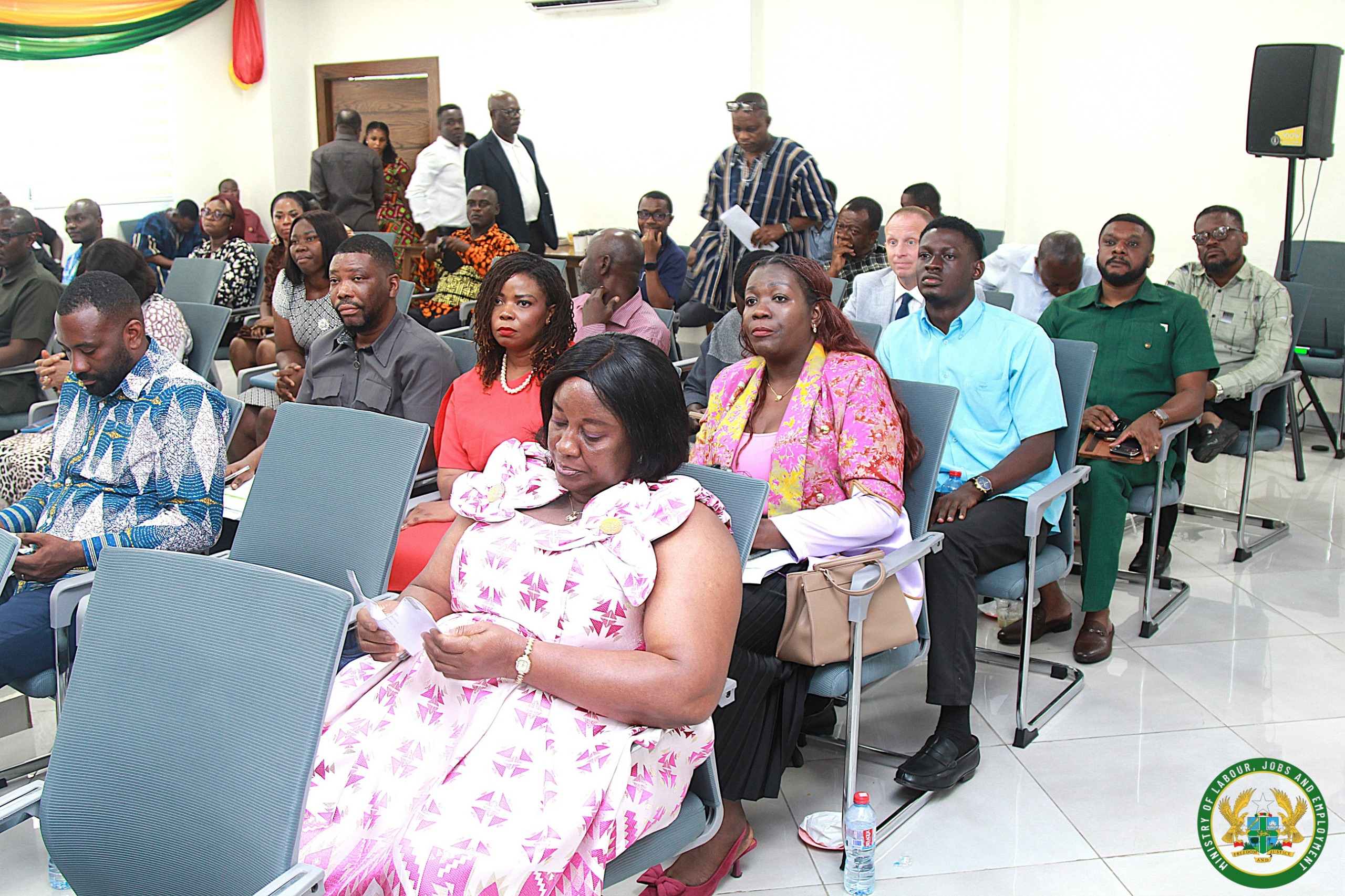
For his part, the Chief Director of the Ministry, Mr Hamidu Adakrugu Esq, said the NWCSMS is not simply an ICT intervention.
“It is an institutional transformation initiative. The digital system will provide an important platform for workplace registration, profiling, inspection planning, compliance monitoring, reporting and enforcement tracking. However, the sustainability of the reform will depend equally on institutional capacity, human resources, organisational structures, operational procedures and stakeholder behaviour,” he noted.
“The Project will therefore require corresponding reforms in the way we plan and conduct inspections, manage workplace information, engage enterprises, monitor compliance and report on occupational safety and health performance,” Mr Adakrugu added.
The Chief Director said the Department of Factories Inspectorate (DFI) is central to the implementation of this reform.
As such, “The NWCSMS is expected to support the DFI to improve its ability to identify and profile workplaces, assess risks, plan inspections, deploy inspectors, monitor compliance and follow up on corrective actions.”
He noted, however, that for this to happen, “we must also address the operational constraints confronting the Inspectorate, including logistics, regional infrastructure, inspector capacity, equipment, training and appropriate institutional arrangements.
The Project therefore provides an opportunity to undertake a broader strengthening of the Inspectorate and position it to respond more effectively to the demands of Ghana’s changing world of work.”