
Stakeholders have recommended waste segregation as a major solution to tackling plastic pollution and protecting the environment.
For years, experts in waste management have advocated waste segregation, but despite several sensitisation campaigns, the practice remains uncommon among many Ghanaians.
With plastic pollution contributing significantly to environmental degradation and flooding, stakeholders say proper waste segregation and management must become a shared responsibility.
During floods, plastic waste is often found clogging gutters and drains, preventing the free flow of water and worsening flooding.
I have personally adopted waste segregation by separating plastic waste—including pure water sachets, bottled water and drink containers—from other household waste. The plastics are then collected by individuals who sell them to recycling companies for processing and reuse.
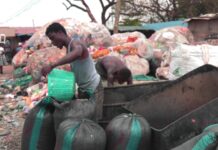
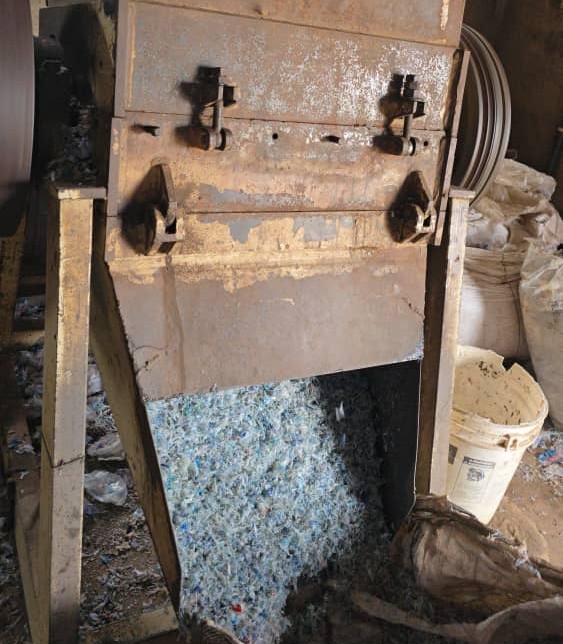
A visit to Easeoff Environmental Safety, a private recycling company, showed that several plastic products, including malt and other beverage bottles, are sorted and processed at the facility.
Rita Arthur, an operator at the recycling plant, took us through the recycling process and explained how the plastic waste can be reused.
She noted that the recycled polythene products can be used for dolls, wellington boots, bowls, buckets, even hair extensions amongst others.
She encouraged Ghanaians to adopt waste segregation to help rid the environment of plastic waste.
“Let us learn how to separate our waste in our homes, when you compile the pure water rubbers and bottles, we will buy them and recycle them for other plastic products,” She stated.
“It is not right to drink water and throw the rubber away on the streets, you can fold it nicely, keep it in your bag and take it home and when you segregate them, it can be re-used for other important items,” she added.
Meanwhile, Chief Tony Addison Dodoo, the Chief Coordinator for the Keep Greater Accra Clean Project acknowledged the extent of plastic pollution in the environment.
He schooled that most of the drains in Accra enter the sea, noting that if people threw around plastic waste, they end up in the sea and it causes a lot of harm to the habitats of the sea.
He underscored the need to separate plastic waste from organic waste.
Chief Addison Dodoo also noted that, beyond helping to keep the environment clean, waste segregation and recycling can provide an income-generating opportunity for individuals.
He again cautioned the public against defecating in polythene bags and dumping them in bins or along the streets, noting that the practice contaminates plastic waste and slows down the recycling process.
Chief Tony Addison Dodoo warned that persons found engaging in the practice will face the necessary sanctions.
As stakeholders call on Ghanaians to embrace waste segregation, the practice can start right in our homes.
Separate your plastic waste from organic waste, identify people who collect recyclable materials and hand them over for recycling.
A simple habit such as this can help reduce plastic pollution and contribute to a cleaner and healthier environment.
By Porcia Oforiwaa