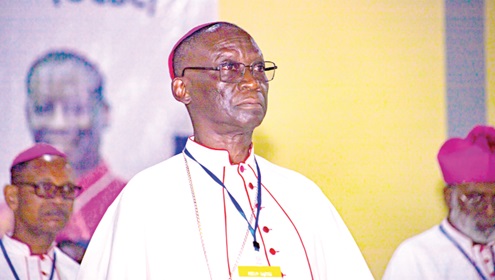

The Ghana Catholic Bishops’ Conference has expressed concern over the removal of its representative from the Ghana Education Service (GES) Council, linking the development to the growing indiscipline in Senior High Schools.
The Conference says although it is the second-largest provider of formal education in Ghana, it has increasingly been sidelined in key decision-making processes within the education sector.
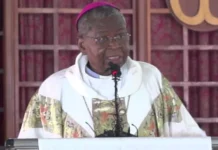
Speaking at a meeting with Parliament’s Chieftaincy, Culture and Religious Affairs Committee, President of the Conference, Most Reverend Matthew Kwasi Gyamfi, described the situation as unfortunate and saddening.
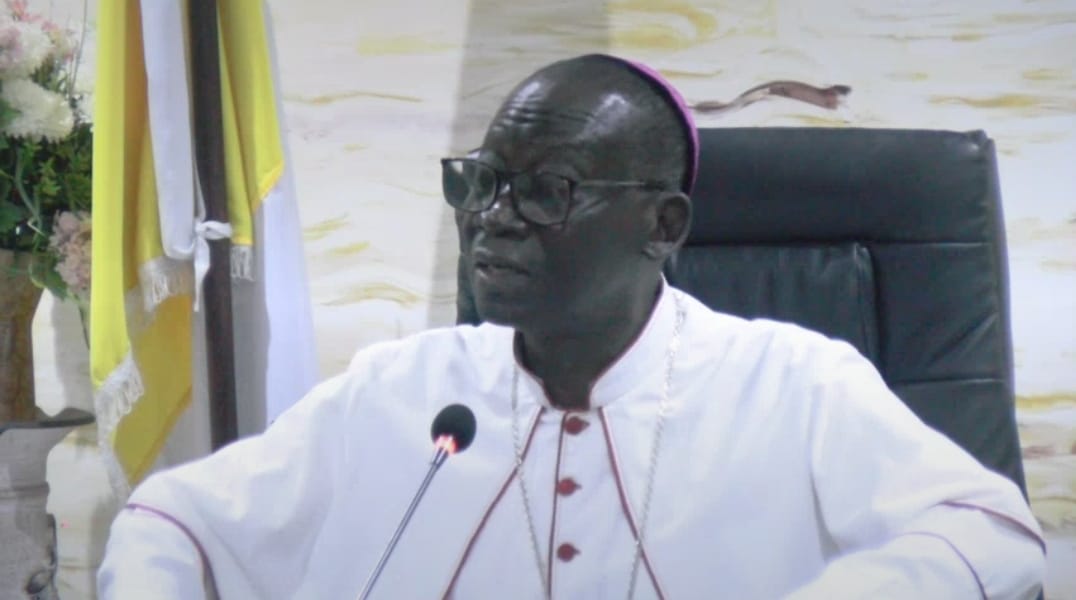
“We used to be represented on the Ghana Education Service Council because of the number of schools and our involvement in education. For some reason, they eliminated us, as if we don’t exist, as if we have done nothing for education, as if everything is the state. So where decisions are made on education, we who contributed towards education are not there,” he said.
Most Rev. Gyamfi said the exclusion of mission schools and faith-based organisations from governance structures is partly responsible for the moral decline in schools.
“And so recently, you see, we are talking about indiscipline in schools, as if we do not know why there is indiscipline. We know it. If the one whose call is to instill discipline and morality into people, if even they don’t do it imperfectly, is eliminated and is not given the right to do this, then we ask why there is indiscipline and immorality in the schools,” he added.
He outlined the significant contribution of the Catholic Church to Ghana’s education sector, insisting the church remains the second largest provider of formal education after government.
“Currently, we know we have begun around 5,453 basic schools, many of whom which the government also helps and pays salaries, et cetera. We have 82 senior high schools. We have 41 TVET institutions, four special schools addressing special needs, 13 colleges of education began by us, now assisted by the state.”
“We have 10 other tertiary institutions, including nursing training colleges. We have one university and one university college. So this makes us, I believe strongly, the second largest provider of formal education in Ghana after the government,” Most Rev. Gyamfi added.