
Five persons have reportedly died from rabies in the Western and Western North regions this year, as health authorities raise alarm over a surge in dog bites and low vaccination coverage.
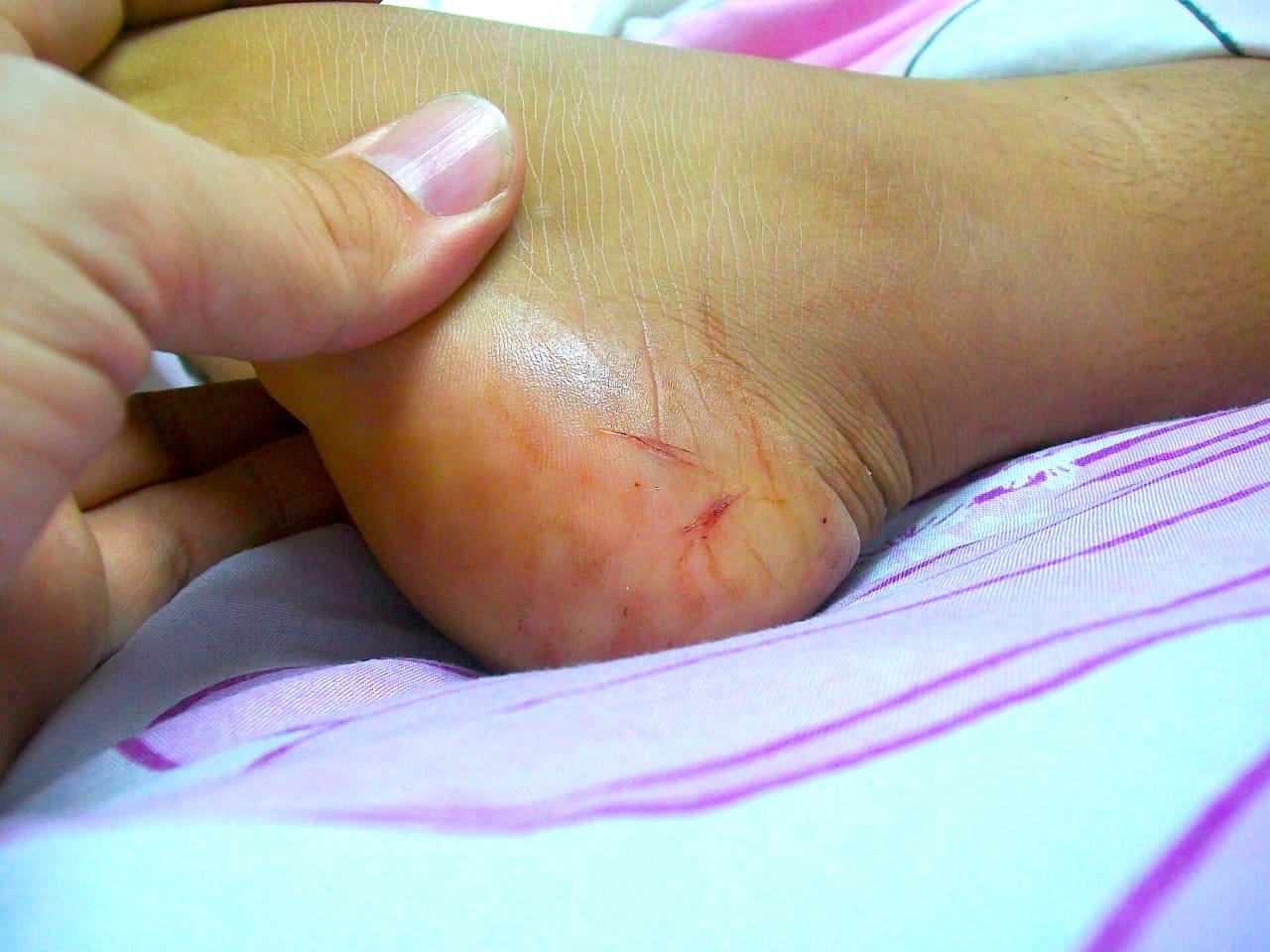
The concern has intensified after a suspected rabies stray dog in a suburb of Sekondi reportedly attacked and bit nine people, including children.
Health authorities are warning residents that a dog bite should never be taken lightly. For the victims, what may have started as an ordinary encounter with a dog has ended in tragedy.
Two deaths were recorded in Wassa East, with one each in Jomoro and Amenfi East. Another death has been reported in Bibiani, involving a victim from Diaso in the Central Region.
And now, nine people, including children, are undergoing assessment after being bitten by one suspected rabid stray dog in a suburb of Sekondi.
The incident has heightened fears among residents and health officials over the growing threat posed by unvaccinated and free-roaming dogs.
Dr Simon Gbene, the Western Regional Veterinary Officer says the situation is becoming alarming.
‘‘As of the first half of 2026, four (4) rabies-related deaths had already been publicly reported in the Western Region, two in Wassa East, one in Jomoro and one in Amenfi East underscoring the seriousness of the situation. The additional deaths reported in Bibiani and involving a victim from Diaso in Central Region.
We are sitting on tenterhooks. The situation is critical. The available 2026 surveillance information indicates a continuing public-health concern, with cases occurring across several districts. We are particularly concerned because dog bites are frequently associated with unvaccinated, free-roaming or stray dogs, creating opportunities for rabies transmission.’’ He explained.

The major concern for veterinary authorities is the extremely low level of animal vaccination in the two regions. Dog and cat populations are estimated at about one hundred and sixty-six thousand, but current rabies vaccination coverage is below five percent. That is far below the recommended seventy percent coverage considered necessary to interrupt transmission among dogs.
‘‘The combined dog and cat population of the Western and Western North Regions is estimated at approximately 166,000, based on the 2009 census. However, actual rabies vaccination coverage is currently less than 5%. This is critically inadequate. We are currently dealing with an unusual and highly alarming incident in a suburb of Sekondi, where one confirmed/suspected rabid stray dog has bitten nine (9) people, including children.
The investigation has also revealed a dangerous community belief that kola nuts can cure rabies. This belief is completely false. Kola nuts cannot cure rabies and must never be used as a substitute for proper medical treatment. We need donor support for vaccination drive in the districts.’’ He noted.
Between 2015 and 2021, the estimated average annual dog-bite rate was more than seventy-eight per one hundred thousand people in the Western Region and nearly seventy-three per one hundred thousand in Western North.
But beyond the statistics are communities now living with the fear of dog attacks and families grieving loved ones who could have been saved through timely intervention.
Authorities also want dog owners to vaccinate and register their animals, while assemblies strengthen measures to control stray and free-roaming dogs.
Rabies is transmitted mainly through the saliva of infected animals, usually through bites or scratches. And once symptoms appear, the disease is almost invariably fatal. Yet the tragedy is that rabies deaths are preventable.
By Sarah Apenkroh