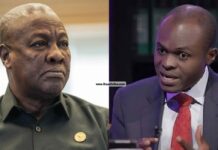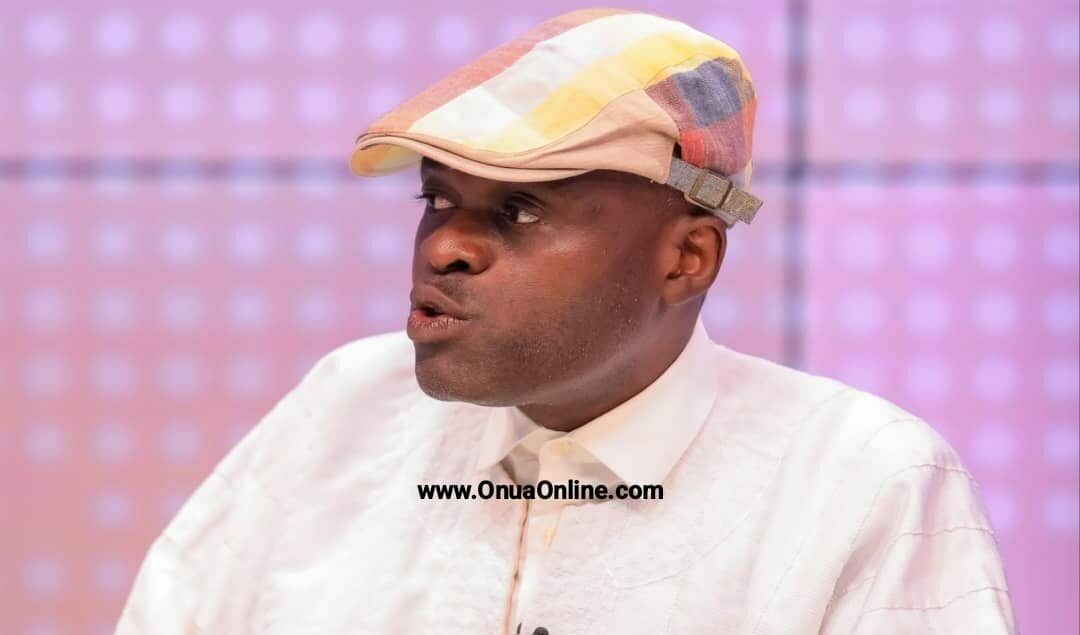

The manner in which some of the Boards of state-owned enterprises (SOEs) were dissolved was very embarrassing, lawyer Martin Kpebu has said.
Kpebu makes the point that at least the affected members should have been given prior notice.
“The manner in which some of the Boards were dissolved was very embarrassing. At least the affected members should have been given prior notice. We call people to come and serve. They are serving, and in the middle of their work, they are dismissed. It looks excessive,” he said on the Key Points on TV3 Saturday, September 5.
He added, “If you are dissolving the Board, I think there should be a bit of finesse.”
Kpebu called on the Presidency to provide reasons for dissolving boards of some state-owned enterprises.
He said that even if the government does not provide detailed reasons, at least a little explanation would suffice.
“Blanket dissolution of boards and reshuffles doesn’t satisfy us. The Presidency must provide reasons for such decisions because sovereignty belongs to the people, Kpebu also said on the Key Points on TV3 Saturday, September 5.
President John Dramani Mahama had directed the immediate dissolution of the boards of nine state institutions and companies.
The affected institutions are Prestea Sankofa Gold Limited, Bulk Oil Storage and Transportation Company Limited (BOST), Volta Aluminium Company Limited (VALCO), Consolidated Bank Ghana Limited (CBG), and Ghana Post Company Limited.
The rest are the Road Maintenance Trust Fund, TDC Ghana Limited, Ghana National Petroleum Corporation (GNPC), and the National Sports Authority.
In a letter issued on September 2 by the Secretary to the President, Dr. Callistus Mahama, the directive required the appropriate authorities to take all necessary steps in accordance with the applicable laws and governing instruments to formally notify the affected board members.
Management teams of the affected institutions are to continue overseeing their day-to-day operations under the supervision of their respective sector ministries pending the reconstitution of the boards.
However, management has been directed not to take any major policy, financial, or contractual decisions requiring board approval without prior authorisation from the appropriate authority during the interim period.
The dissolved boards are expected to be reconstituted in due course.
The President also expressed appreciation to the outgoing board members for their services.