
Illegal mining continues to expose children in several mining communities across Ghana to serious risks, with some forced to abandon school in search of income.
A recent study by Solidaridad West Africa and the Minerals Commission found children between the ages of 10 and 17 engaging in hazardous activities at abandoned and unregulated mining sites in parts of the Eastern Region.
The children are exposed to dangerous mining pits, machinery, and toxic chemicals, while the disruption to their education threatens their long-term development and future opportunities.
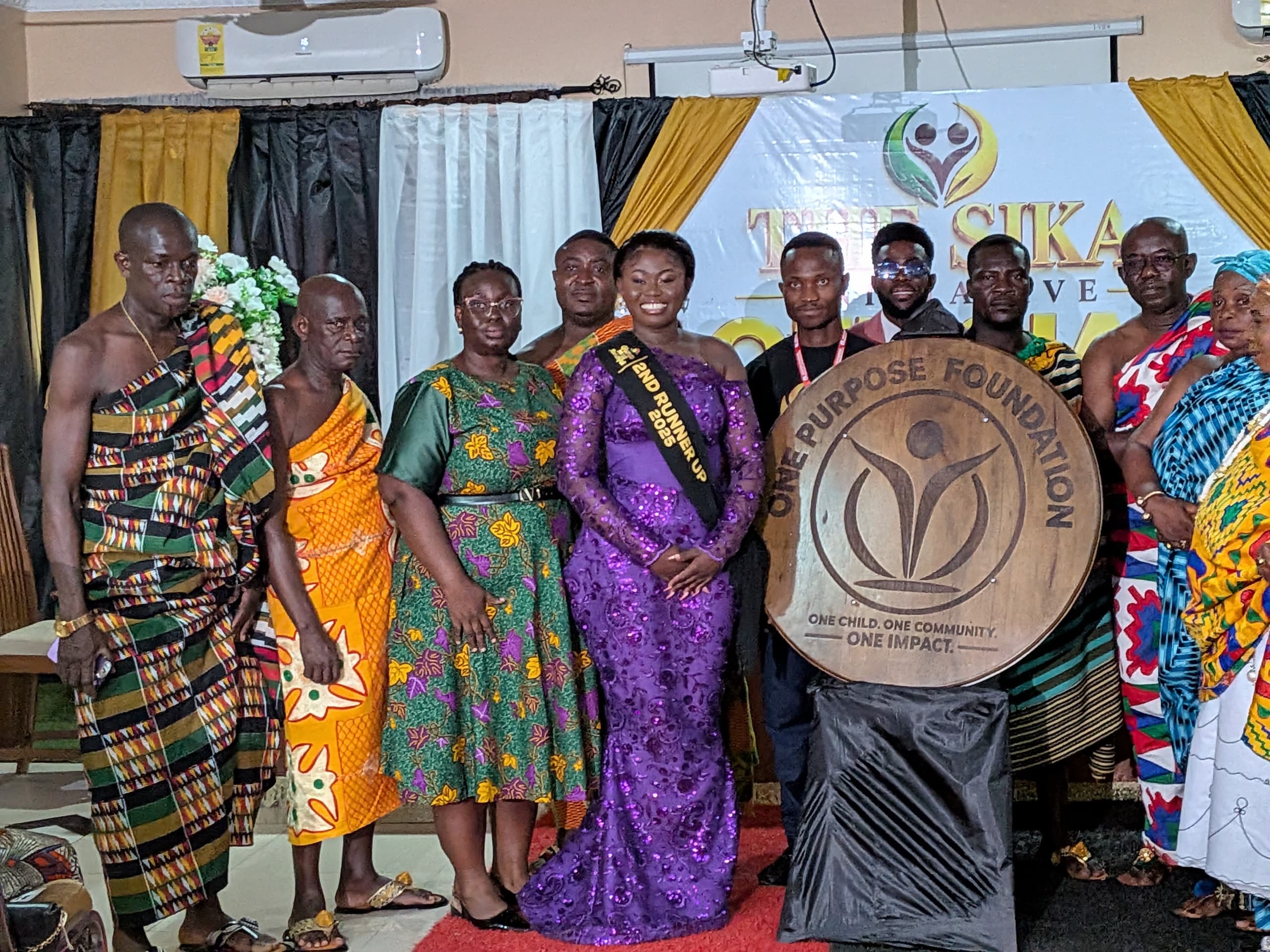
It is against this backdrop that the SIKA Initiative, spearheaded by Irene Adwoa Sika Quist, the 2025 Ghana’s Most Beautiful Second Runner-Up representing the Ashanti Region, has been launched to protect and empower vulnerable children, particularly those living in galamsey affected communities, on Saturday, September 12,2026.
The initiative seeks to support children through education, skills development, and community engagement, while creating opportunities to keep them away from illegal mining and other hazardous activities.
The initiative will also support vulnerable families by promoting sustainable livelihood opportunities, with the aim of addressing some of the economic pressures that push children into hazardous work.
At the launch, the Asanso Twafohene, Nana Kwaku Frimpong, called on traditional leaders and development partners to take a more active role in the fight against illegal mining and protect children from its effects.
Mrs. Grace Annor Abbey from the Department of Children under the Ministry of Gender, Children and Social Protection, said the initiative presents an opportunity for stakeholders to collaborate in securing a better future for vulnerable children, particularly those in rural and galamsey-affected communities.
The launch brought together stakeholders and development partners committed to child protection, education and community development.
The SIKA Initiative says its focus will be on protecting vulnerable children, keeping them connected to education, and equipping them with skills and opportunities to build sustainable futures away from galamsey.
By Evans Kwame Yeboah