
The Member of Parliament for Yilo Krobo in the Eastern Region, Dr. Albert Tetteh Nyakotey, has increased his annual educational support programme from 250 students in 2025 to 550 beneficiaries this year.
The beneficiaries, selected from communities and schools across the Yilo Krobo Municipality, are receiving educational materials including trunks, mattresses, exercise books, mathematical sets and other forms of support.
He said an additional 50 students would also be supported after some applicants who were not initially captured showed up with the necessary documentation to benefit from the initiative.
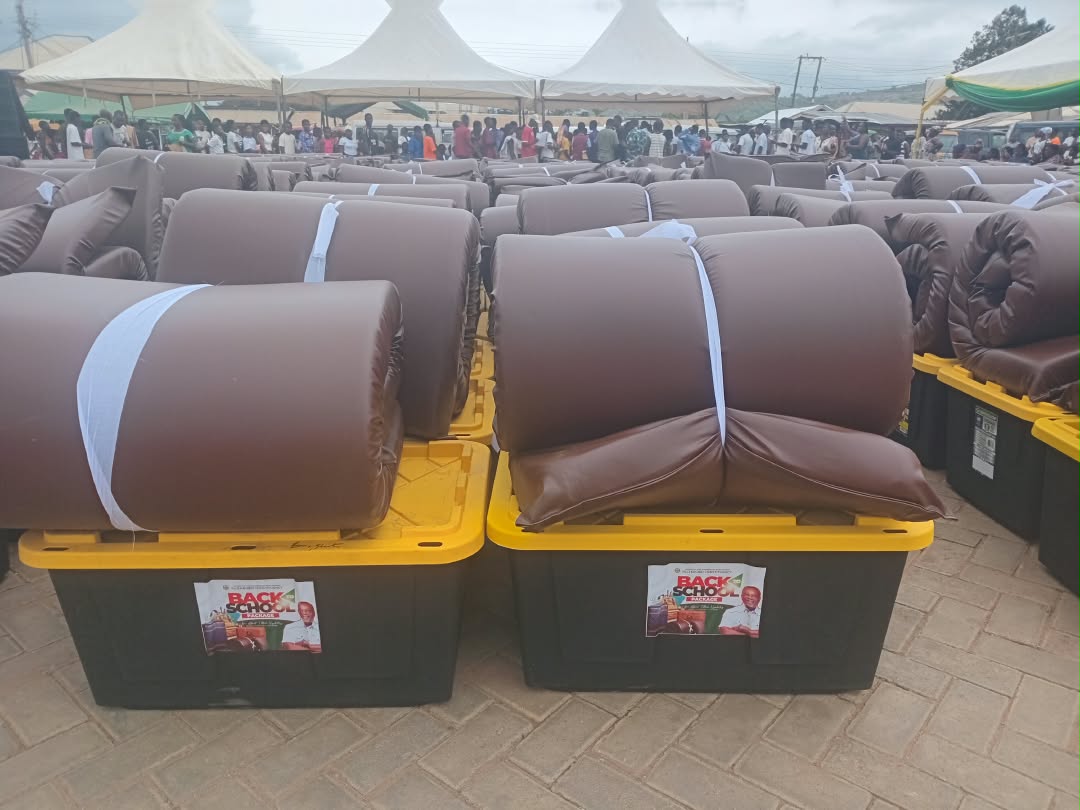
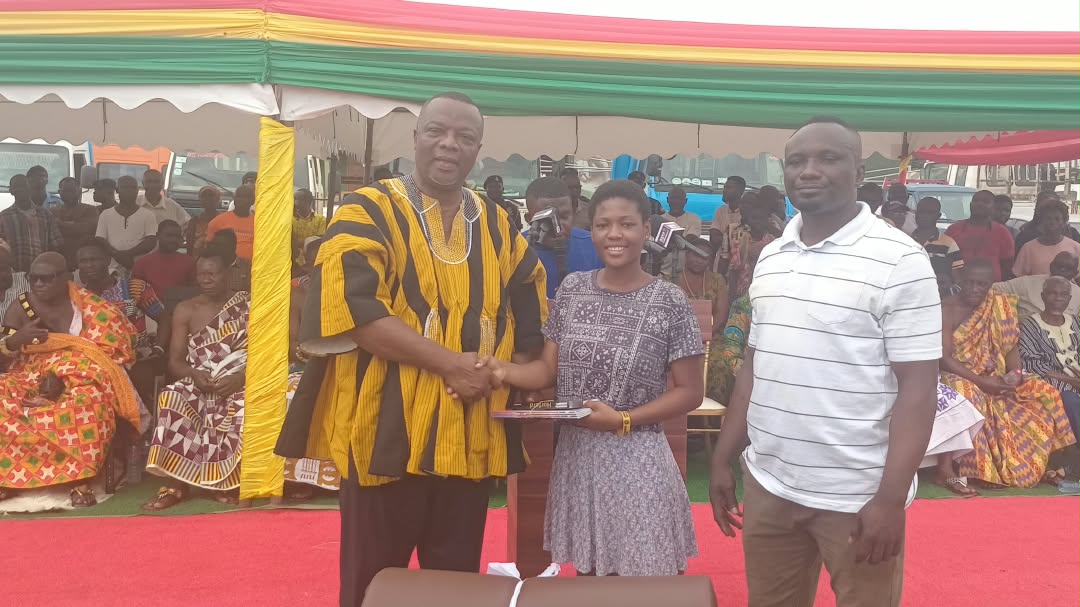
The event, held at Akotunya Park in Somanya on Wednesday, September 16, was attended by students, teachers, traditional leaders, education officials, members of the general public and other stakeholders.
Speaking at the presentation of educational materials to selected 2026 BECE candidates, Dr. Nyakotey said the initiative was introduced after he received repeated requests from parents for assistance whenever their children were preparing to enter secondary school.
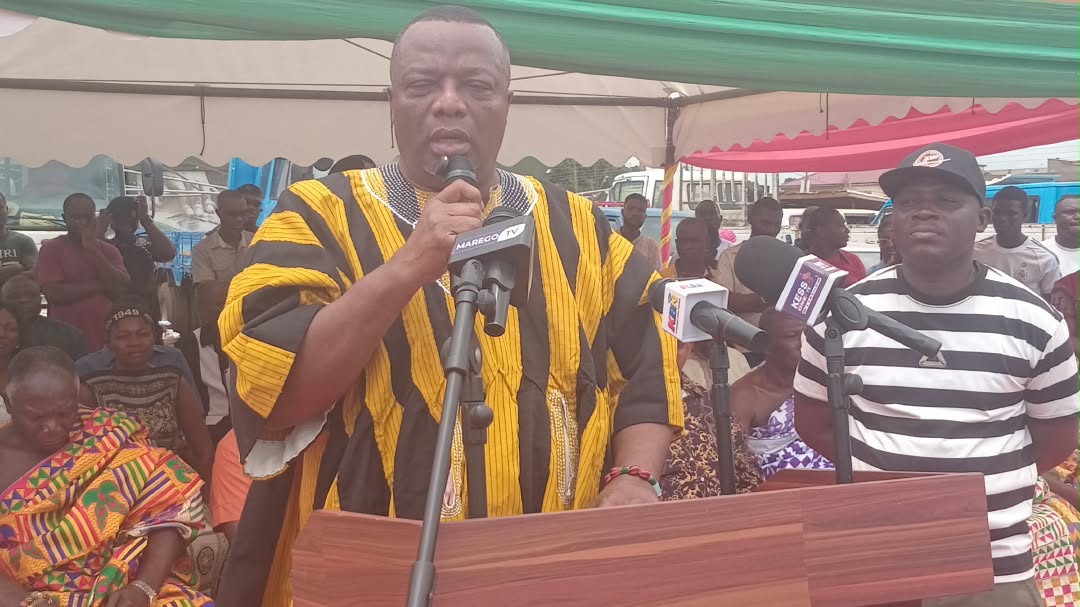
“Today, thanks be to God, we are planning to have 50 extra for those who walk in and say they have not received it,” he said. He noted that education remains one of the most effective ways of empowering young people, stressing that knowledge could provide beneficiaries with opportunities to transform their lives.
The Yilo Krobo Municipal Director of Education, John Kwame Gasu, in a welcome address, expressed gratitude to Dr. Nyakotey for supporting selected 2026 BECE candidates from schools within the municipality. He described the completion of the BECE as an important milestone but stressed that it marked the beginning of another stage in the students’ educational journey.
Mr. Gasu urged the beneficiaries to remain focused, disciplined and determined, to take their studies seriously, respect their teachers and make choices that would positively shape their future. Parents and guardians were also encouraged to continue providing the necessary support for their children’s transition to second-cycle education.
By Nenebi Ayertey David