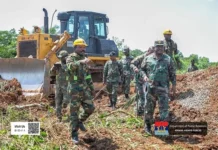

The construction of the Accra–Kumasi Expressway is transforming one of Ghana’s most important transport corridors, but for communities along the route, the project is coming with a difficult price.
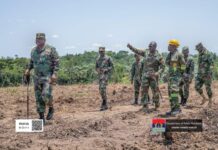
Farms have been cleared to make way for the 198.7-kilometre expressway.
The project, a flagship under the government’s Big Push Infrastructure Programme, is expected to improve connectivity between Accra and Kumasi and reduce travelling time to approximately two hours.
But for affected farmers like Kofi, the expressway represents both loss and hope.
“A lot of our properties have been destroyed. If you go over there, almost all the cocoa trees have been felled. We know the road will bring benefits, not only to us but to Ghana as a whole. But our plea is that the government should also take care of our entitlements, especially the compensation due us,” he said.
The destruction of productive farmland has disrupted livelihoods, but many affected residents say they understand the wider importance of the project.
“They have destroyed our livelihood to pave way for the road project, so we want the government to see to the completion of the project so that our sacrifice will not be in vain,” Yaa Pokuaa, a farmer stressed.
For communities that have struggled with poor accessibility, the expressway is being seen as a potential economic lifeline.
“Previously, this community was not easily accessible, but this expressway project will open it up and create opportunities for the youth to find something to do,” Kwame Borga, a resident of Kwaso said.
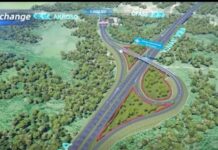
The Expressway starts from Ablekuma in Accra, connecting with Anyaa-Awoshie road, and stretches through communities including Adeiso, Asamankese, Akim Oda, Ayirebi, Ofoase, Enikawkaw, Gyadamwa, Achiase, and Kwaso, before terminating at Sawuah and linking with the Lake Bosomtwe road in Ashanti.
Its design includes a 23.1-kilometre four-lane dual-carriageway section within the two ring roads, while the remaining 175.6 kilometres will be a six-lane dual-carriageway expressway.
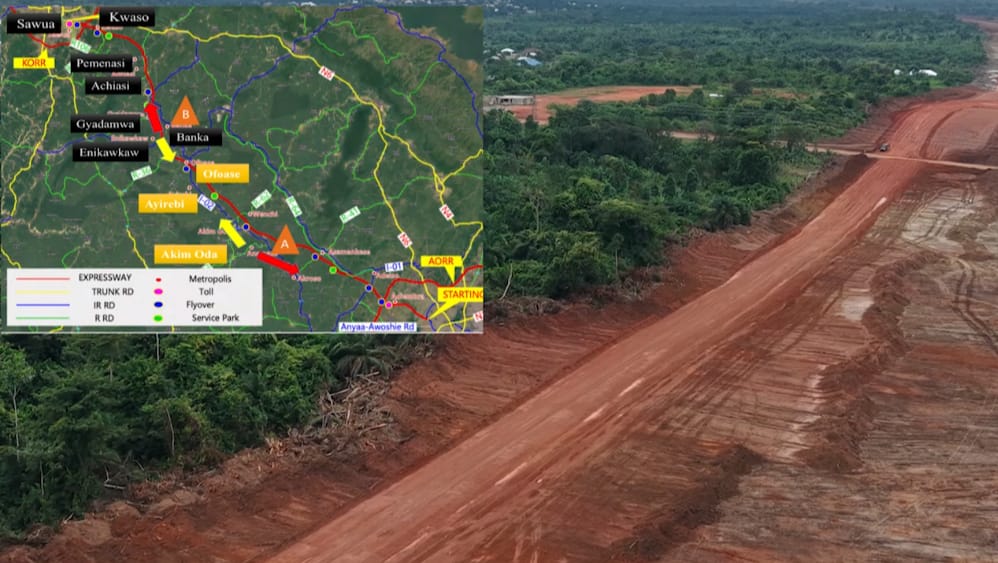
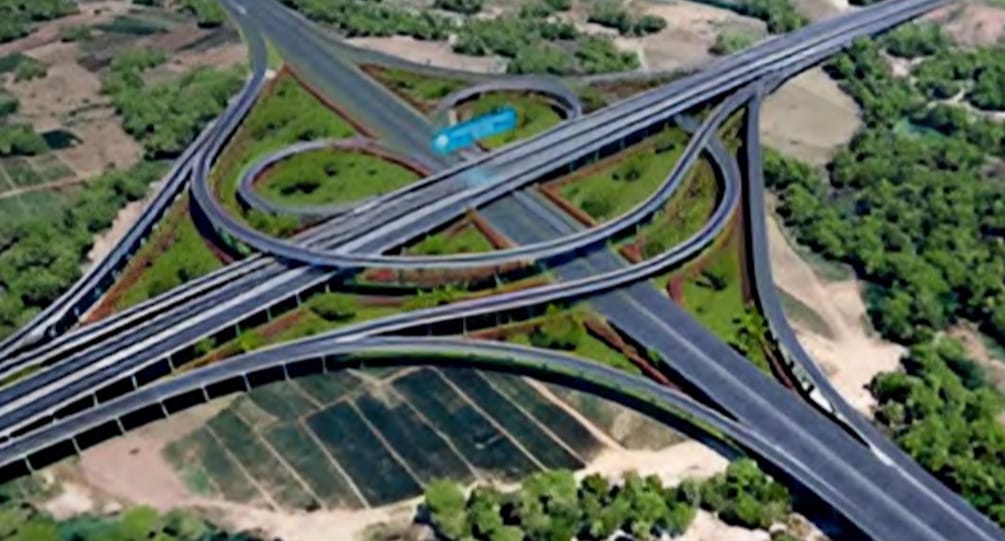
It will also have eight interchanges, four service areas and two mainline toll stations.
At Kwaso, local authorities and traditional leaders are already looking beyond the construction phase to what the road could mean for the local economy.
Assembly member for Kwaso-Denteso electoral area, Seth Obeng Yamoah is optimistic that jobs would be created in the community when the project is completed.
“With the bridge at Kwaso, all the traffic will pass through the area, and that will bring more trading and other economic activities. It means the local economy is going to receive a major boost.”
The expectation is that increased traffic will bring more customers, businesses and investment into communities along the route.
The Chief of Kwaso, Nana Osei Fosu Adutwum, believes the project could attract major businesses to the area.
“It’s going to bring businesses to the area. I believe big companies will move in, creating new opportunities for the people.”
The chief also sees the project as the revival of a long-standing vision for an improved Accra–Kumasi road connection.
“From what I know, this road was first to be constructed in 1969 by the then Prime Minister, Kofi Abrefa Busia. But after his government was overthrown, the project stalled. Now, President John Dramani Mahama has revived the vision to construct an expressway linking Accra to Kumasi. Let’s all join together and give him the big push so that he can accomplish it.”
For motorists and passengers, perhaps the most important promise is the reduction in travelling time.
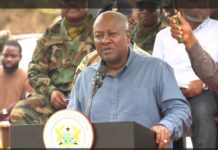
President John Dramani Mahama says financing for the project has been secured and argues that the completed expressway will shorten the journey between Ghana’s two major cities.
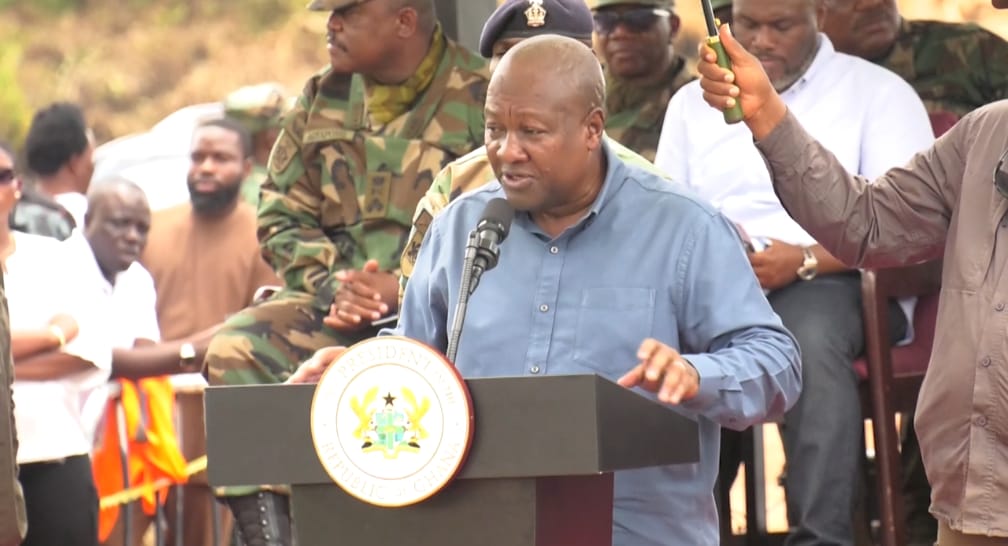
“The money for the project has been secured, and not a pesewa has been borrowed. When completed, the journey on the expressway would take about two hours, compared with the five to six hours we currently spend on the old Accra–Kumasi highway.”
The Accra-Kumasi expressway may look like just another highway under construction, but for communities along it, it could be a turning point.
The project may have disrupted livelihoods and forced some businesses to relocate, but its completion is expected to bring these communities closer to major markets, improve the movement of people and goods, and unlock new economic opportunities.
Because when the traffic finally starts flowing on this expressway, the hope is that prosperity will flow with it.
From ‘Oware’-like potholes to cruise control- The expressway Ghanaians never expected
By Ibrahim Abubakar