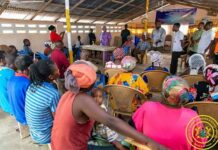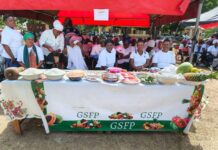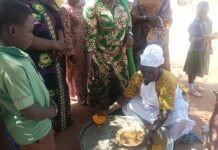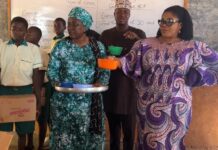

The Ghana School Feeding Programme is strengthening its data management, monitoring and collaboration with the Ghana Education Service as part of efforts to improve service delivery and prepare for future expansion.
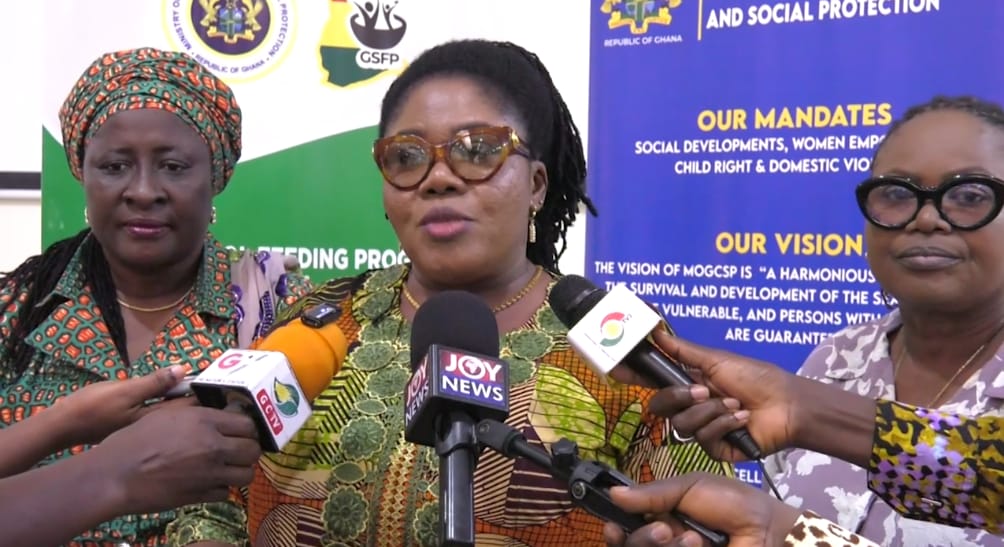
Minister of Gender, Children and Social Protection, Dr. Agnes Naa Momo Lartey, says the government is prioritising quality and accurate beneficiary data to ensure resources are effectively channelled to schoolchildren.
Speaking at an engagement with regional and district directors of education in the Ashanti and Western North regions, the minister said reliable data was critical to planning, budgeting and ensuring value for money.

“The management of data is important. And that is the only way we are going to have value for money. We want to ensure that we are speaking from the same book, same page.”
She said the government’s approach goes beyond reporting figures on funding and beneficiaries, stressing the need to focus on the children who are the ultimate beneficiaries of the programme.
Dr Lartey said while government remains committed to expanding the programme, improving the quality of meals must come first.
According to her, the ministry is advocating increased funding to enable caterers to provide better meals to beneficiaries.
“If you are looking at nourishment, and you’re building into the future, then you want to ensure that the minds that you are nourishing are well nourished.”
She explained that expansion would require clean and verifiable data as well as financial clearance from the Ministry of Finance.
“If we are able to clean our data well, expansion shouldn’t be a challenge for the Secretariat or the Ministry of Finance to approve.”
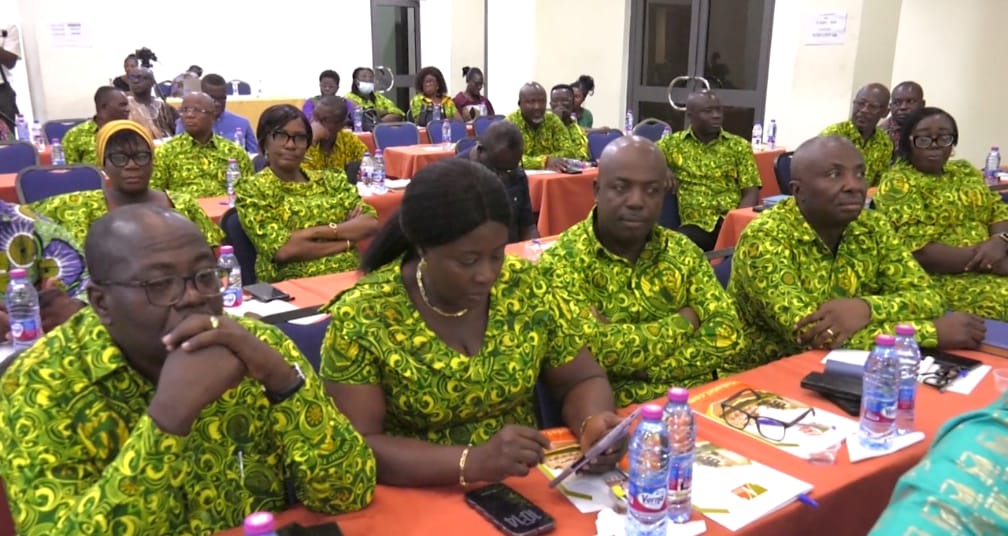
The Minister also disclosed that monitoring of the programme has been increased to ensure that measures introduced to improve quality produce the desired impact.
National Coordinator of the Ghana School Feeding Programme, Hajia Fati Forgor, said the programme has expanded significantly since it was introduced in 2005.
“The initiative started with 10 schools and 1,900 beneficiaries but today we can say close to 70% of Ghana public schools, KG and primary, are currently benefiting from the programme. We are looking at 4,527,000 children benefiting from that.”
Hajia Fati Forgor said stronger collaboration with the Ghana Education Service is necessary because headteachers, who play a key role in school feeding implementation, report directly to education directors.
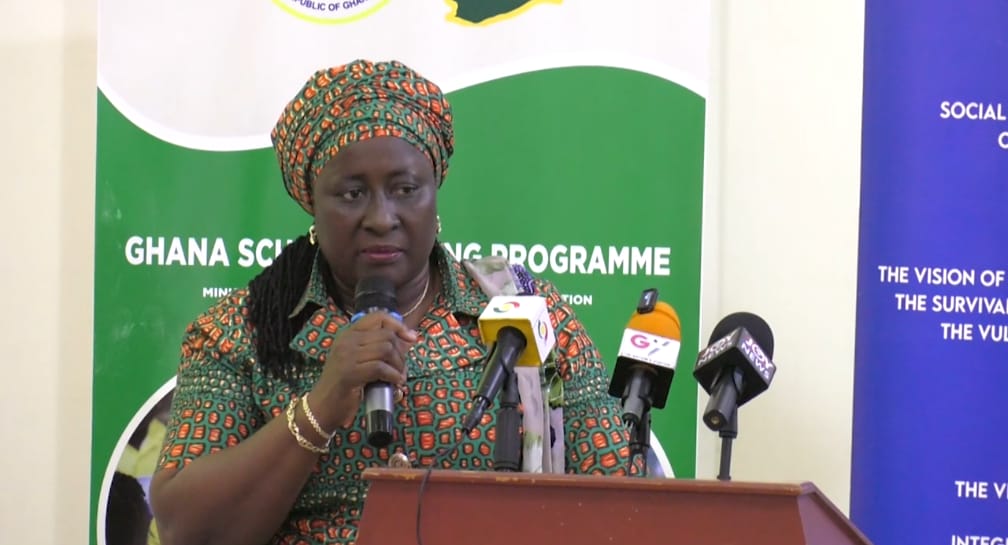
She said the engagement was therefore intended to strengthen coordination, clarify roles and address challenges involving headteachers, caterers and School Feeding coordinators.
“We are inviting you here for you to know us and for us to know you and for you to appreciate the fact that we are willing to work closely with you to ensure that we improve on Ghana’s school feeding program to make the service a better one.”
The engagement forms part of a nationwide initiative by the Ghana School Feeding Secretariat to deepen collaboration with the Ghana Education Service and improve monitoring, data management and service delivery across schools.