


The Ghana Employers’ Association (GEA) has called on the government to introduce measures in the 2027 Budget to build fiscal buffers against global economic and geopolitical uncertainties while implementing comprehensive tax reforms to strengthen local businesses.
The Association says predictable fiscal policies, a competitive tax regime and constructive engagement between employers and organised labour will be critical to sustaining business confidence, attracting investment and promoting economic growth.
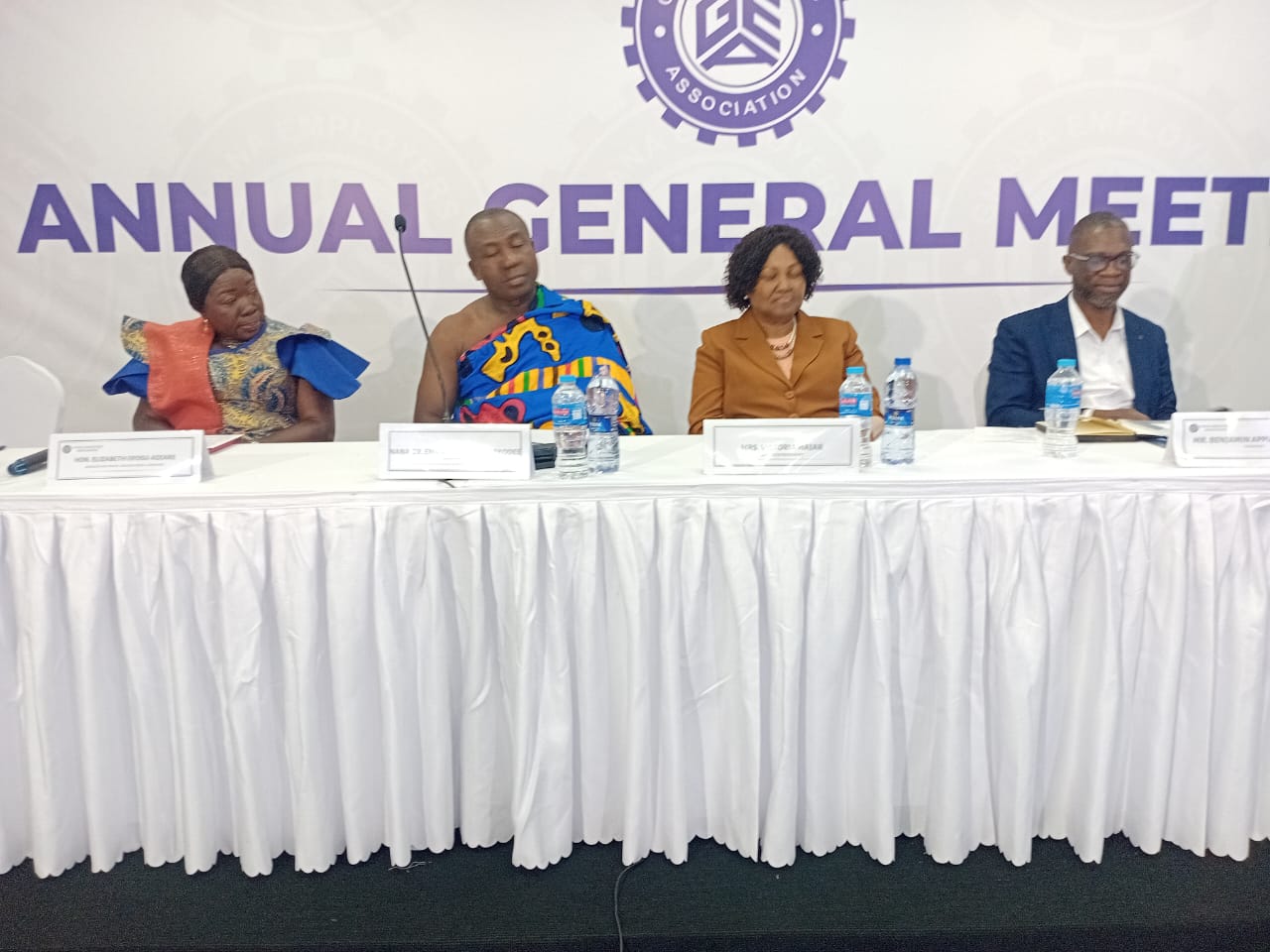
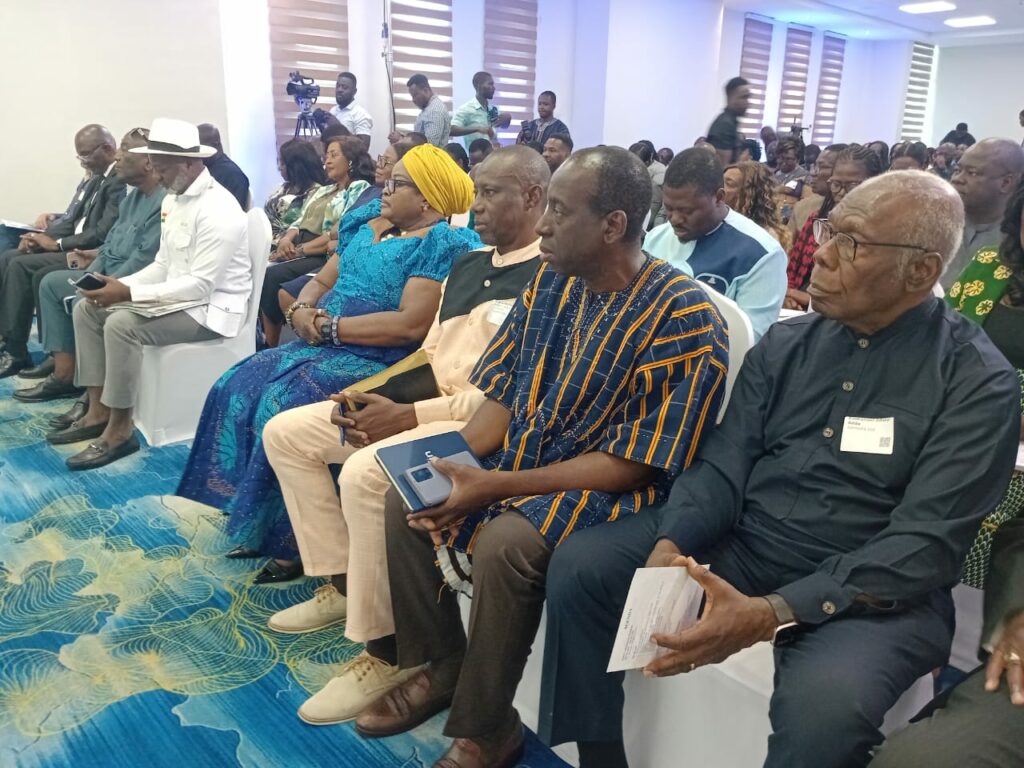
The call was made at the GEA’s 66th Annual General Meeting in Accra, where the Association commended the government’s efforts to maintain macroeconomic stability but stressed the need for additional measures to protect businesses and sustain economic recovery.
The GEA said the 2027 Budget must provide adequate safeguards against external shocks, particularly those arising from geopolitical tensions and disruptions in global markets.
It also urged government, employers and organised labour to strengthen dialogue to minimise industrial disputes and protect investments.
GEA calls for predictable business policies
The Association said the operating environment remained challenging for many local enterprises, making comprehensive tax reforms and targeted incentives necessary to improve competitiveness and support business expansion.
It noted that businesses require stable and predictable policies to make long-term investment decisions, particularly in technology, machinery and other productive assets.
“Businesses also need policy predictability. Enterprises invest in new technology and machinery on the basis of expectations about the future,” the Association said.
It added that certainty in taxation, regulatory requirements, utility costs and administrative procedures remained critical to long-term business planning.
“We therefore propose a policy predictability compact between government and the private sector. Such a compact will promote meaningful consultation on major business-related policies before they are rolled out,” the GEA stated.
The Association believes closer consultation between government and the private sector would help reduce uncertainty, improve the business environment and encourage investment in productive sectors of the economy.
GEA warns against industrial disruptions
The GEA also expressed concern about recurring labour agitations, warning that prolonged industrial disputes could undermine productivity, disrupt business operations and discourage investment.
It called on government, employers and organised labour, under the tripartite framework, to prioritise dialogue and good-faith negotiations in resolving workplace disagreements.
“Industrial peace is an economic asset. Disagreements can be resolved through established institutions, dialogue and good-faith negotiations rather than long disruptions, because it doesn’t help labour and it doesn’t help employers,” the Association said.
The GEA further called for a national policy on human-centred automation and the future of work to guide the adoption of emerging technologies while protecting the role of workers in critical occupations.
“Government, employers and organised labour, the tripartite, should work towards a national policy on human-centred automation and the future of work. Such a policy should identify strategic occupations where human participation must be preserved,” it said.
The Association said a coordinated approach to technological change and labour relations would help businesses adapt to emerging trends without undermining workers’ interests or economic stability.
Responding to the concerns, the Minister of Trade, Industry and Agribusiness, Ofosu Agyare, reaffirmed the government’s commitment to supporting businesses, particularly through initiatives aimed at improving access to opportunities and expanding the market for Ghanaian enterprises.
By Daniel Opoku