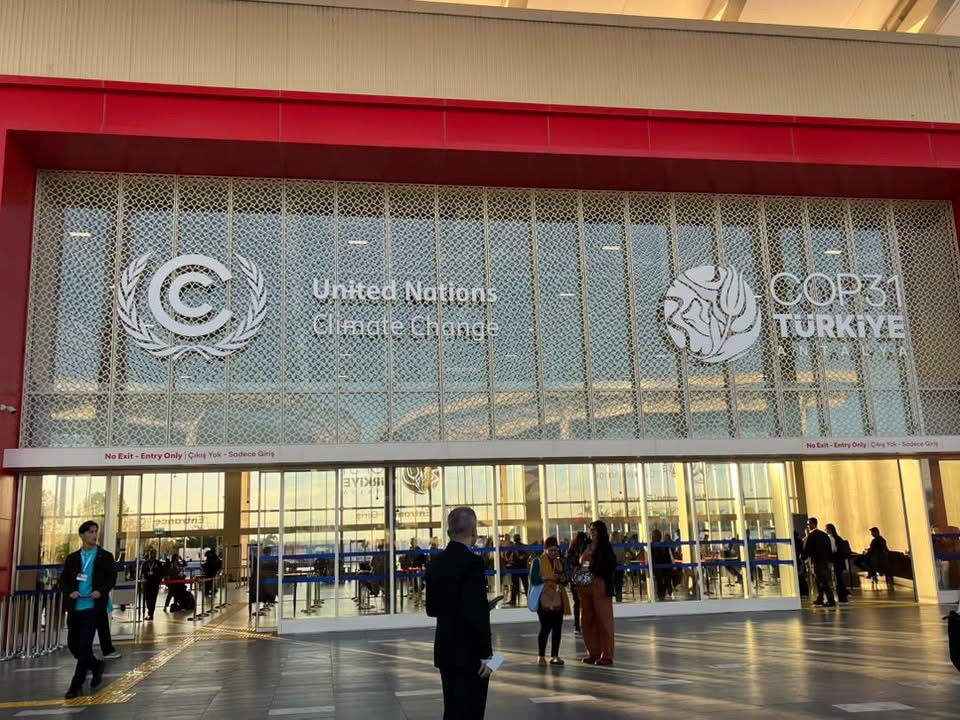

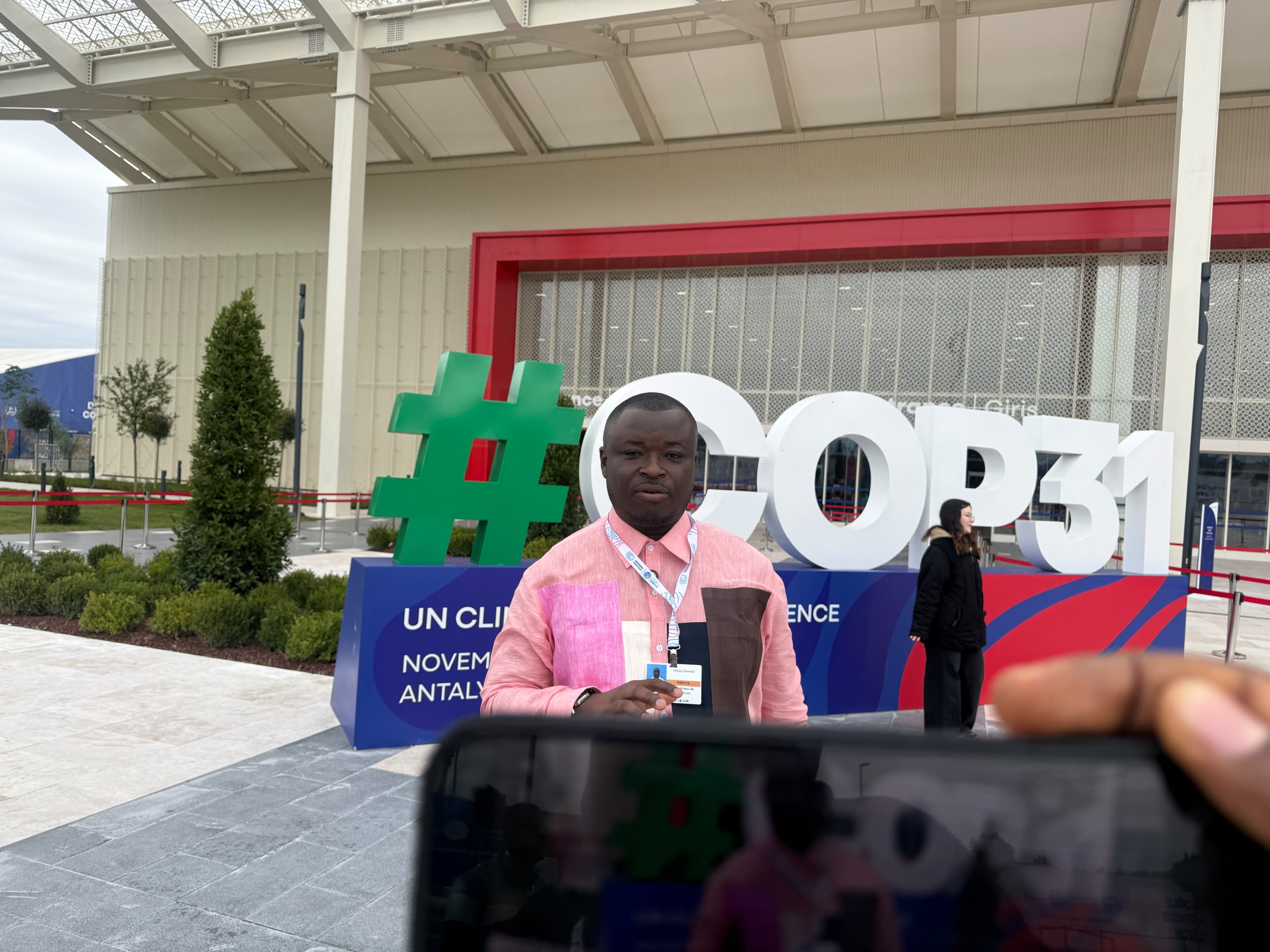
The United Nations Climate Change Conference (COP31), has opened in Antalya, Türkiye, with pressure mounting on world leaders to turn climate promises into practical results.
Climate funding, the transition to cleaner energy, and support for countries facing climate damage are expected to dominate discussions.
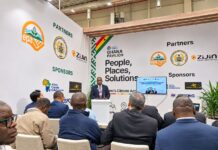
Ghana is participating with a dedicated pavilion.
Flags line the conference grounds, security has been tightened, and delegates are arriving in the Mediterranean city of Antalya for another crucial round of global climate talks.
Representatives from 193 nations are gathering for COP31, with more than 100,000 delegates, campaigners, scientists and business leaders expected to participate in activities running until November 20.
At the heart of the conference is a familiar challenge: how to move from negotiated commitments to action that communities can see and feel.
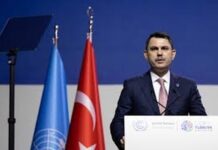
This year’s summit brings a distinctive leadership arrangement. Türkiye is hosting the conference and holds the COP31 Presidency under Murat Kurum, while Australia’s Chris Bowen is leading the negotiations as President of Negotiations.
Their message centres on implementation, with a push to translate climate pledges into funded programmes and measurable progress.
One major focus is electrification: replacing fossil-fuel-powered vehicles, heating systems and industrial equipment with cleaner electric alternatives.
The initiative known as “35-by-35” seeks to increase electricity’s share of global energy use by 2035.
But for developing countries, the ability to deliver these changes depends heavily on access to finance.
Ghana and other African nations are pressing for resources to strengthen adaptation, respond to climate-related loss and damage, and expand clean energy.
At COP30 in Brazil, countries agreed to at least triple adaptation finance by 2035. The challenge in Antalya is to establish how that commitment will be delivered.
The discussions come against a backdrop of extreme heat, floods and droughts, alongside the United States’ retreat from the Paris Agreement.
These pressures have sharpened expectations that COP31 must demonstrate the continuing strength of international cooperation on climate change.
Within the conference grounds, Ghana’s pavilion provides a base for the country’s engagements, side events and climate discussions.
Participants include the Environmental Protection Agency, the Ministry of Environment, Science and Technology, researchers, private sector representatives and civil society organisations.
The pavilion offers Ghana a platform to highlight the effects of flooding, drought and coastal erosion, while presenting the country’s responses and proposed solutions.
For Ghanaian farmers dealing with unpredictable rainfall, coastal communities facing erosion, and countries struggling with the cost of climate disasters, the outcome of these talks carries direct consequences.
The test for Antalya will be whether the negotiations produce accessible funding, practical projects and commitments that are implemented.
By Kwame Appiah Kubi