
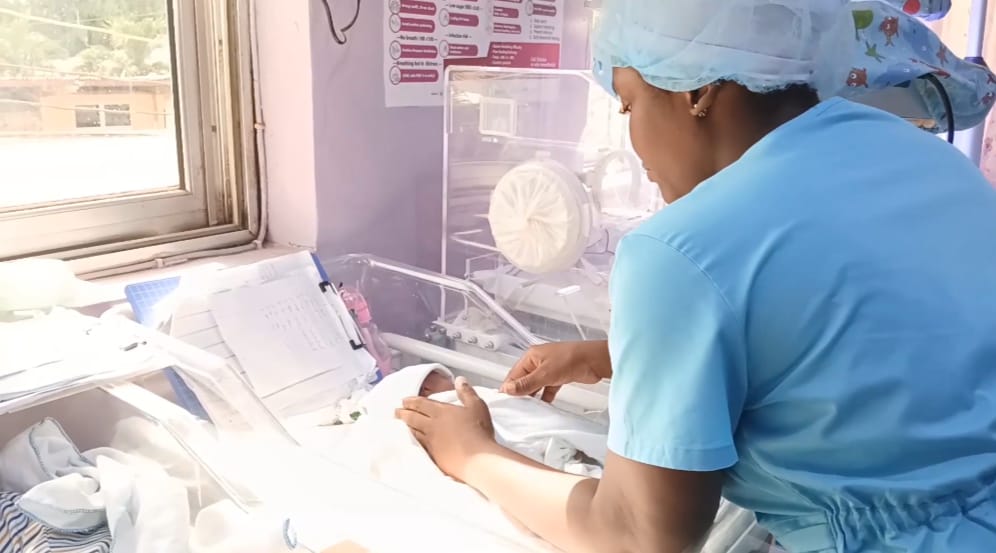
The Mother and Baby Unit of the Manhyia District Hospital in Kumasi is struggling to cope with increasing admissions of newborns, with limited space and inadequate equipment putting pressure on the delivery of neonatal care.
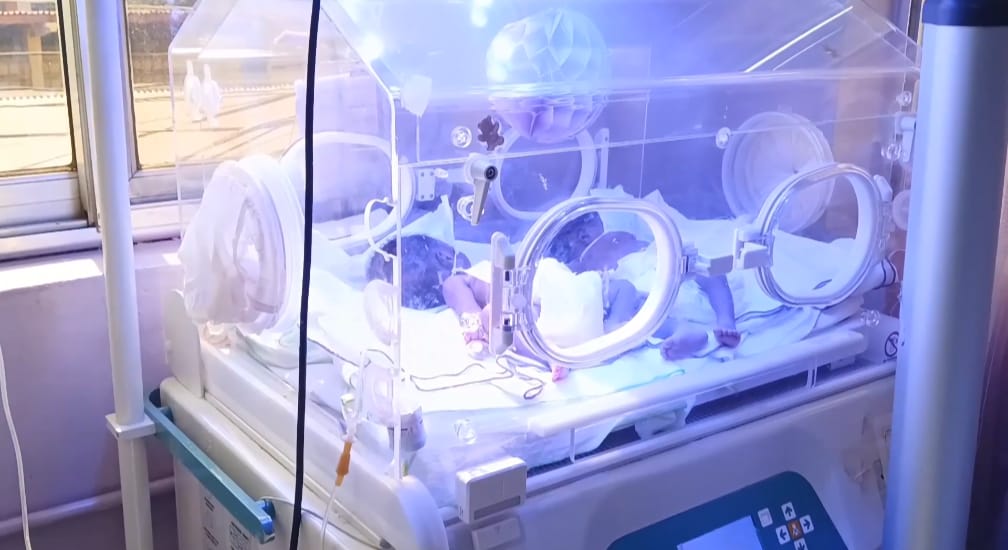
The facility is currently accommodating more babies beyond its designed capacity, forcing health professionals to improvise by placing two babies in some incubators.
Neonatal specialist, Aisha Bawa, says the situation is making it increasingly difficult for health workers to provide the required care, while exposing vulnerable babies to additional infection risks.
“The bed capacity is 28, but currently we have about 32 babies on the ward. Sometimes we have to pair some babies in incubators. Ideally, an incubator should have one baby. But when you are overwhelmed you have no option than to keep two babies in one, which is not the standard we want,” she said.
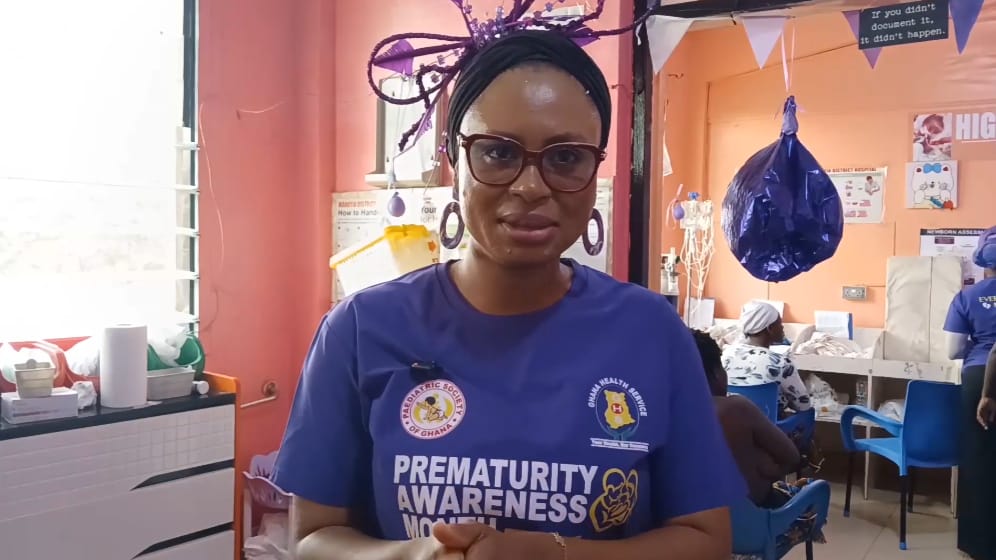
According to her, the unit admitted 1,084 babies between January and October 2026, out of which 225 were born prematurely.
Nine of the premature babies died despite efforts by health professionals to save their lives.
The unit currently records an average of 15 to 20 babies on the ward daily, further stretching its limited infrastructure and equipment.
Although management recently expanded the facility to accommodate more babies, the neonatal specialist says the additional space has not adequately addressed the pressure on the unit.
“We need more equipment to work with, especially, perfusers and incubators. Some of the equipment break down because they are not in high numbers. But the greatest need is space. We need more space and expansion at Manhyia Hospital to help save our tiny hearts,” she appealed.
Beyond the infrastructure challenges, health professionals are encouraging fathers to become more actively involved in caring for premature babies, particularly through Kangaroo Mother Care.
The practice involves placing a baby directly against a parent’s bare chest to provide skin-to-skin contact, helping regulate the baby’s temperature, support growth and reduce the risk of infections.
Head of Child Health Department, Dr Gifty Boakye Ansah says fathers can also practise Kangaroo Father Care, especially when mothers are recovering from childbirth or are unable to visit the neonatal unit immediately.
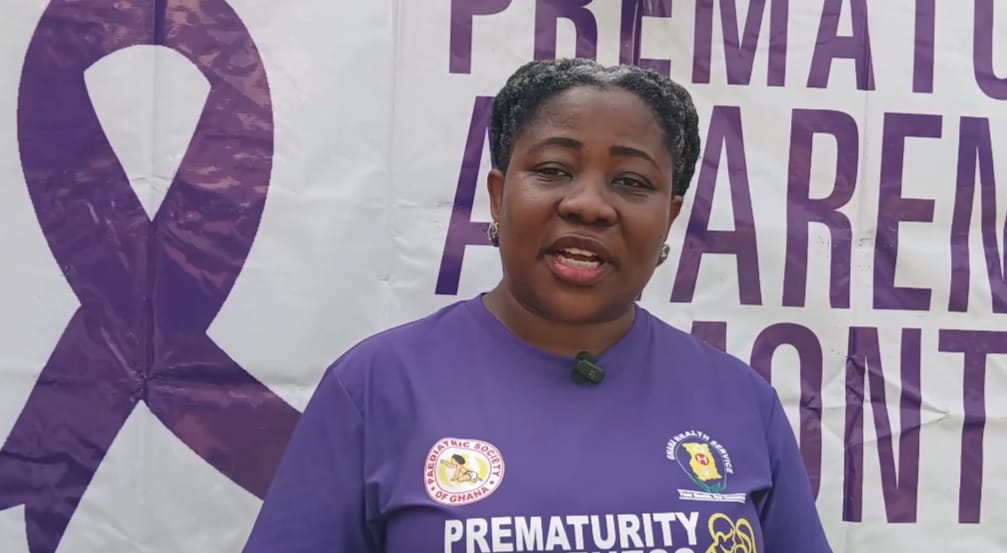
“We encourage fathers to partake in the care of premature babies whenever their wives deliver preterm babies. They can equally do Kangaroo Father Care. We make sure the chest is clean and place the baby in that position so the baby is not deprived of the warmth it needs,” she explained.
She believes greater paternal involvement would also ease the physical and psychological burden on mothers, who often go through considerable challenges while caring for premature babies.
“Today, as we were graduating our babies, we only saw the mothers. We want to encourage the fathers to get involved because mothers cannot do it alone. Mothers go through a lot of challenges, including psychological distress. We plead with fathers to join hands to ensure that the lives of these babies and their mothers are saved,” she added.
The appeal was made during activities marking Prematurity Awareness Month, which also saw 33 children who previously received care at the hospital’s NICU celebrated for reaching their first year and beyond.
The graduation ceremony brought together mothers and health professionals to celebrate the progress of the children after their difficult beginnings.
The health professionals commended the mothers for adhering to medical advice and supporting their children’s recovery, expressing optimism about improving care for premature babies in the coming year.
They are of the view that, sustained investment in neonatal facilities, adequate equipment and stronger family involvement will be crucial to improving survival outcomes for premature babies.
The hospital is therefore calling on individuals, organisations and development partners with an interest in neonatal care to support its Mother and Baby Unit with equipment and infrastructure to ensure better care for vulnerable newborns.
By Ibrahim Abubakar