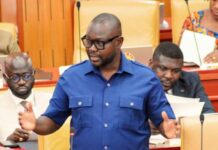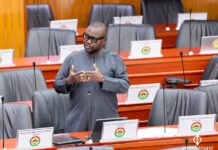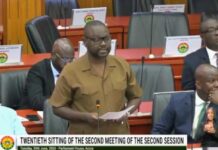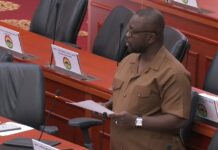

The Member of Parliament for Bantama, Francis Asenso-Boakye, has outlined five major development priorities that have guided his work in the constituency since assuming office in 2021.
The five pillars are infrastructure development, security, healthcare delivery, support for small businesses and human capital development.
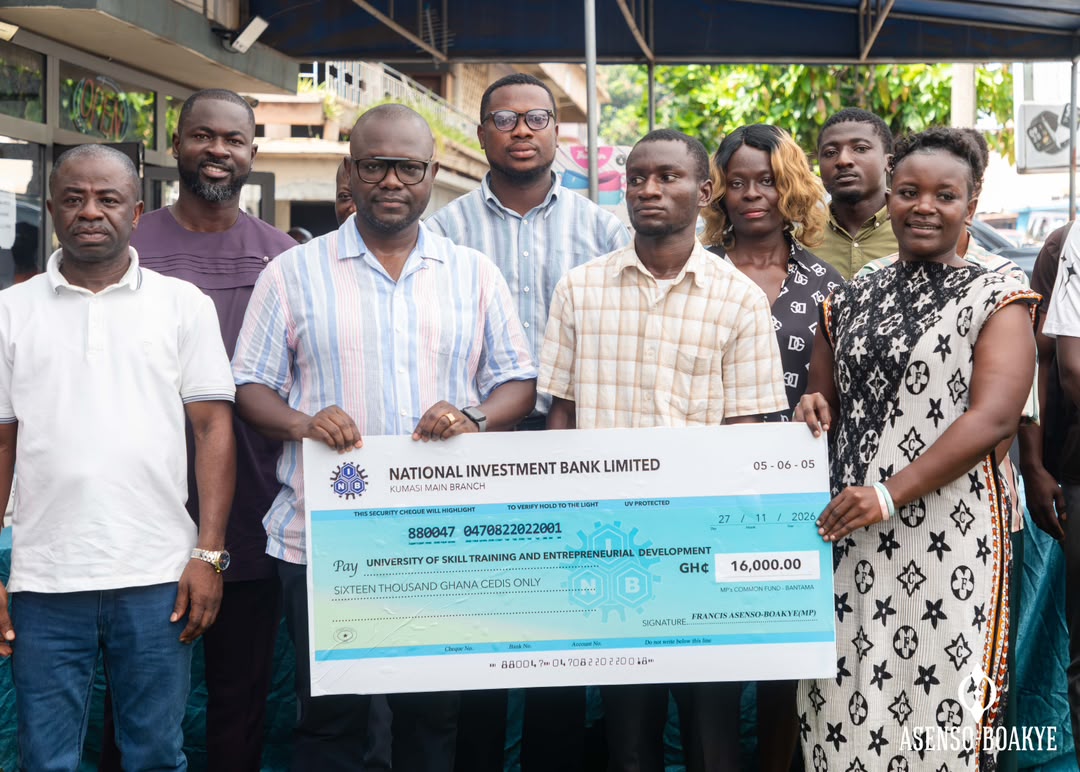
Speaking at the presentation of GH¢200,000 in tuition support to 100 tertiary students under the Bantama Tertiary Education Support Programme (BTESP) on Friday, November 27, 2026, the MP stressed the importance of pursuing a comprehensive approach to constituency development.
He explained that while investments in roads, drainage systems, educational facilities and other public infrastructure were essential, equal attention must be given to improving security, healthcare, livelihoods and the capacity of the people.
Mr Asenso-Boakye highlighted his interventions in supporting small businesses through the Bantama Livelihood Support Programme (BLSP), noting that about a month earlier, 200 petty traders in the constituency had received financial assistance to strengthen their businesses and improve their livelihoods.
He described the annual tuition support initiative, which has been sustained since 2021, as a key component of the fifth pillar of his development agenda — human capital development.
According to him, the long-term prosperity of Bantama depends not only on the quality of its physical infrastructure but also on the knowledge, skills and productive capacity of its people.
The MP explained that the various interventions were designed to complement one another and address the diverse developmental needs of the constituency.
The beneficiaries, mainly students from KNUST, the University of Ghana and the University of Cape Coast, thanked the MP for his continued commitment to their educational advancement.
He underscored the importance of human capital development, stressing that sustainable development must go beyond the provision of physical infrastructure.
The MP said investing in education and developing the capacity of young people were essential to the long-term prosperity of communities.
Mr Asenso-Boakye explained that although roads, schools, hospitals and other public infrastructure were important, the quality of the people who use, manage and sustain such infrastructure ultimately determines the future of society.
He noted that investing in education was one of the most effective ways of breaking the cycle of poverty, expanding economic opportunities and promoting sustainable development.
The MP described the programme as an investment in the next generation of doctors, engineers, teachers, lawyers, entrepreneurs and other professionals who would contribute to the development of Bantama and Ghana.
Funded through his share of the District Assemblies Common Fund, the initiative seeks to reduce the financial burden on students and their families and enable beneficiaries to complete their tertiary education successfully.
By Benjamin Aidoo