
Over fifteen thousand Ghanaians die from cancer each year, according to Globocan, a specialized cancer data platform under the World Health Organization.
The figures continue to raise alarm among health professionals and policy makers, as calls grow for wider access to diagnosis, treatment, and preventive education across the country.
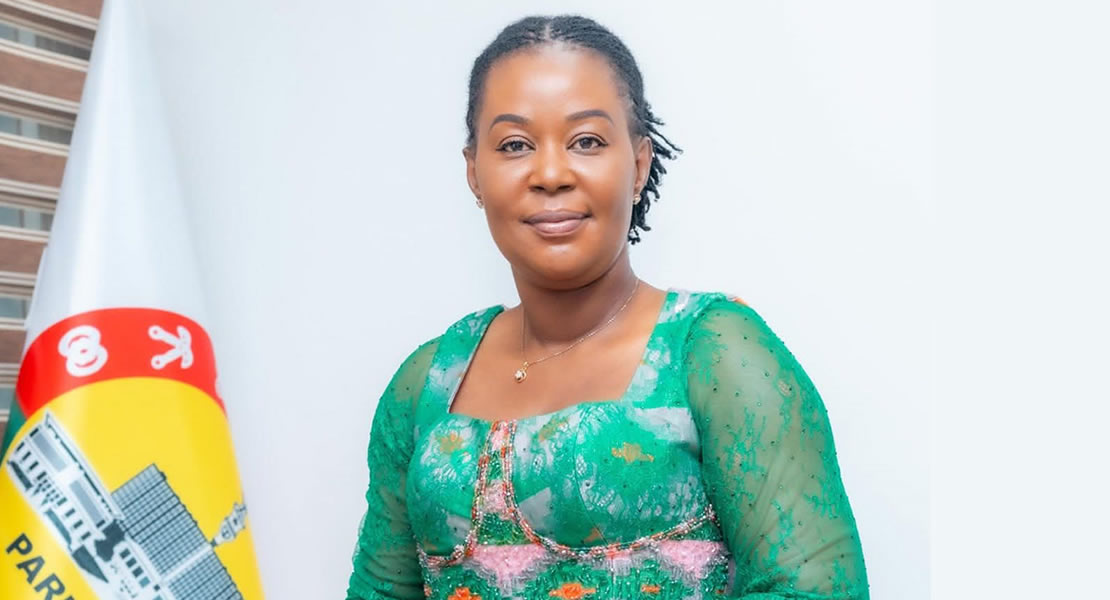
Concern over the rising burden of cancer recently reached the floor of Parliament, where Ewurabena Aubynn, Member of Parliament for Ablekuma North, urged government and health authorities to decentralize cancer treatment so that people in underserved communities can receive timely care closer to home.
Speaking during deliberations tied to World Cancer Day activities, the legislator stressed that cancer care in Ghana is still heavily concentrated in a few urban centers, creating access and cost barriers for many families.
She noted that patients often travel long distances for screening, diagnosis, and therapy, which delays treatment and worsens outcomes.
According to Globocan 2020 estimates, about twenty four thousand and nine Ghanaians were diagnosed with various forms of cancer within the year. Out of that number, roughly fifteen thousand eight hundred and two deaths were recorded.
Women accounted for a significant share of the mortality figures, with over eight thousand deaths linked to cancer related complications. Breast cancer remains the most commonly diagnosed cancer among women in Ghana, followed by cervical cancer and liver cancer across the wider population.
Health advocates say these numbers point to three urgent gaps: late detection, high treatment costs, and limited specialized facilities outside major cities.
In her remarks, Ewurabena Aubynn called for a national approach that pushes cancer services beyond teaching hospitals and major referral centers into regional and district level facilities.
She argued that early screening units, mobile testing programs, and stronger referral systems would significantly improve survival rates.
She also highlighted the financial strain cancer treatment places on households. Many therapies, including chemotherapy, radiotherapy, and targeted drugs, remain expensive and are not fully covered by existing public health financing schemes.
According to her, the high cost of treatment is one of the key reasons many women delay care or discontinue treatment midway.
The MP praised the Ghana Medical Trust Fund initiative announced under President Mahama, describing it as a potentially important intervention to support patients with chronic and life threatening illnesses, including cancer. She said such funding mechanisms should be structured to support low income patients, cover critical drugs, and expand screening programs.
Beyond policy, she encouraged families to normalize conversations about breast health and cancer risk. She urged parents and guardians to promote awareness at home, support regular medical checks, and pay attention to early warning signs.
Public education, she said, should not be limited to campaigns but embedded in community and family life.
Health experts continue to emphasize that early detection remains one of the strongest predictors of survival. Regular screening, lifestyle adjustments, and prompt medical consultation after unusual symptoms can sharply reduce mortality.
With cases rising and more young people affected, specialists are pushing for sustained nationwide awareness drive, school level education, and community outreach.
Observers say the renewed parliamentary attention and advocacy from lawmakers such as Ewurabena Aubynn could help move cancer care higher on the national health priority list, especially in expanding access beyond big city hospitals and making treatment more affordable for ordinary citizens.