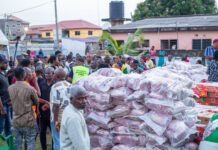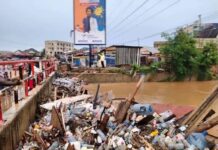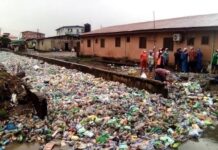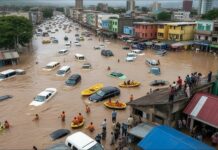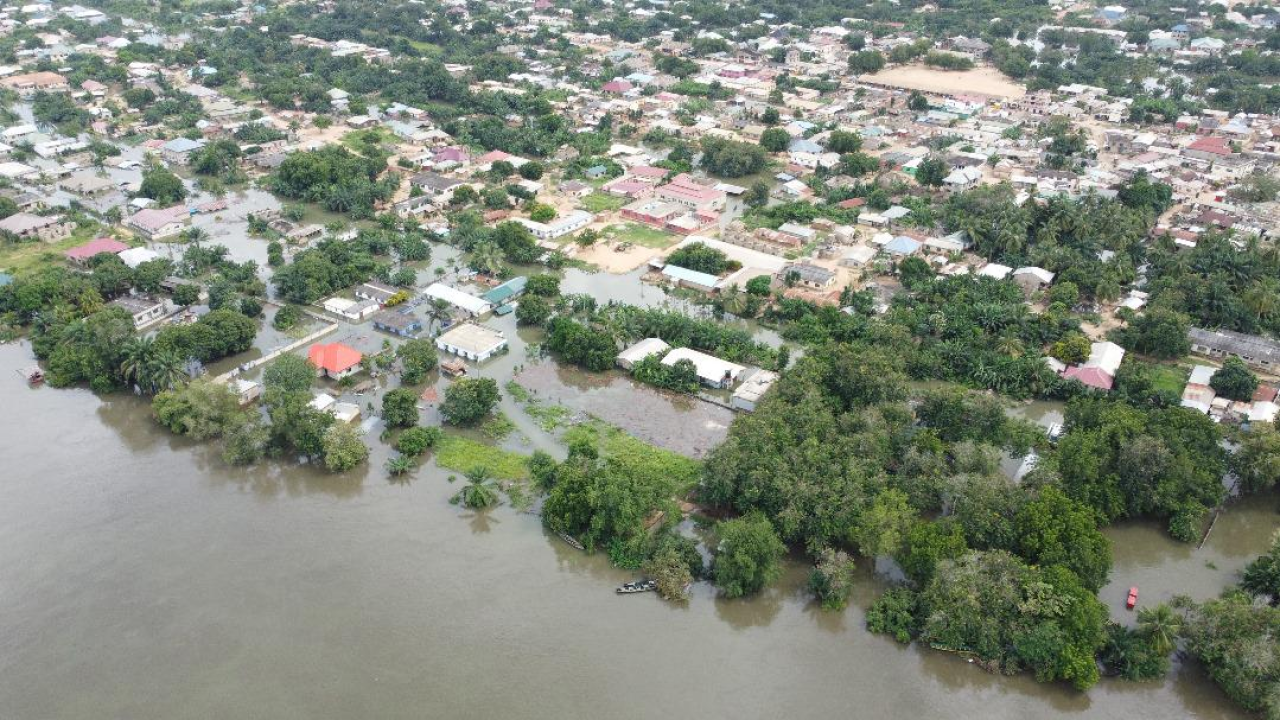

The Ghana Association of Public Health Technical Officers (GAPHTO) has warned of an increased risk of disease outbreaks following the recent floods that affected parts of the country, urging the public, local authorities and health professionals to intensify preventive measures during the ongoing rainy season.
In a 3-page press release issued on Monday, July 6, 2026, and signed by the General Secretary, Daniel Ike Adinkrah, alongisde the National President, Joseph Owusu-Asante, GAPHTO expressed concern over the public health implications of the devastating June 29 floods in Accra and similar incidents reported in Samreboi in the Western Region and other parts of Ghana.
The Association extended its condolences to families who lost loved ones in the floods and sympathised with survivors who suffered significant property losses.
“It is in that spirit that GAPHTO calls upon every Ghanaian to take the measures necessary to preserve life, for it is with life that greater things are yet to be achieved,” the statement said.
According to the Association, climate change continues to intensify extreme weather conditions across the country, making further episodes of heavy rainfall, strong winds and flooding likely in the coming weeks.
GAPHTO cautioned that flooding and poor drainage systems create ideal conditions for the spread of communicable diseases, including water-borne diseases such as cholera, dysentery, rotavirus and typhoid fever; water-based diseases like schistosomiasis (bilharzia); and water-related diseases including malaria, yellow fever, dengue fever and worm infestations.
To minimise the risk of outbreaks, the Association advised the public to regularly monitor weather forecasts from the Ghana Meteorological Agency before travelling during periods of heavy rainfall.
It also urged media organisations to provide frequent weather updates as a public service.
The Association further appealed to Metropolitan, Municipal and District Assemblies to urgently clear drains, gutters and waterways to reduce flooding and prevent stagnant water that could become breeding grounds for disease vectors.
On personal hygiene, GAPHTO encouraged households and food vendors to observe strict food safety practices by eating food while it is hot, storing it under hygienic conditions and maintaining regular handwashing with soap and running water.
It noted that the hand hygiene measures adopted during the COVID-19 pandemic remain effective in preventing disease transmission.
The statement also advised citizens, particularly children and the elderly, to keep warm during the rainy season and maintain good nutrition, adequate rest and proper hydration to strengthen their immune systems.
The Association also called on its members, including Disease Control Officers, Nutrition Officers, Health Information Officers and Health Promotion Officers, to increase public health education in communities, schools, temporary shelters and through the media.
GAPHTO pledged its continued support for ongoing emergency response efforts, emphasising that effective collaboration and proactive public health interventions will be critical in protecting lives throughout the rainy season.
By Ibrahim Abubakari Wangara