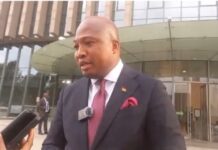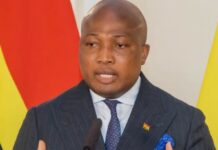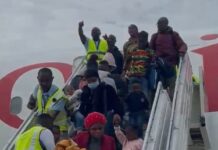

Ghana’s High Commissioner to South Africa, Benjamin Quashie has revealed that African diplomats in that country boycotted the celebration of African Union Day on May 25 because of the xenophobic attacks on their compatriots.
He noted that the gesture was to demonstrate how concerned they are about the attacks.
“African diplomats in South Africa recently boycotted Africa Day celebrations in protest against the attacks.It is an unprecedented show of solidarity among African missions,” he said.
Mr Quashie expressed concern that no arrests have been made despite repeated incidents.
“We continue to see the same individuals involved in these demonstrations. As far as we are aware, no arrests have been made,” he said.
He said African countries are determined to ensure that the current response goes beyond statements and delivers lasting protection for foreign nationals living in South Africa.
According to him, the government is pursuing compensation for Ghanaians who have lost businesses and investments as a result of xenophobic attacks in South Africa.
According to the envoy, Ghana is using both diplomatic and legal channels to seek redress for affected citizens who were forced to abandon properties and businesses during the unrest.
He said the Ministry of Foreign Affairs is actively engaging South African authorities to ensure victims receive compensation for losses incurred.
“Any business owner who has left a legally registered business behind will have to be compensated for the value of that business,” he said.
Mr. Quashie disclosed that officials are currently assessing the value of affected businesses as part of preparations for compensation claims.
He stressed that Ghana is not negotiating on the issue and intends to pursue all available avenues to secure justice for its citizens.
“The minister has put every available option on the table, and we are pursuing all channels necessary to obtain results,” he stated.
The ambassador also rejected claims by some South African officials that most evacuated Ghanaians were undocumented migrants.
He maintained that approximately 80 percent of those repatriated were legally documented residents of South Africa.
According to him, many Ghanaians whose permits had expired were awaiting renewal decisions from South African authorities and possessed official documents authorizing their continued stay while applications were being processed.
“You cannot describe these individuals as illegal immigrants when they have followed the legal process and are waiting for decisions from the authorities,” he explained.
Mr. Quashie further criticized South African authorities over what he described as a lack of arrests despite ongoing violence.
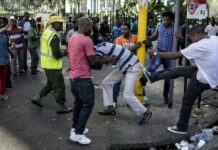
He claimed that demonstrators have progressed from demanding documentation from foreigners to looting businesses and physically assaulting victims.
He revealed that a Ghanaian has recently been hospitalized and admitted to intensive care after being severely beaten.
By Christabel Success Treve