
The Seventh Meeting of the International Solar Alliance (ISA) Regional Committee for Africa opened in Accra, Ghana on Wednesday, September 3, 2025, bringing together ministers, policymakers, and international partners to accelerate Africa’s solar transition and unlock sustainable energy opportunities.
The ISA, launched in 2015 by India and France at COP21 in Paris, promotes solar adoption worldwide. With 124 member and signatory countries, it works to unlock investments, reduce technology costs, and build local capacity. Africa hosts 39 member states and seven signatories, making the continent a critical focus for expanding energy access.
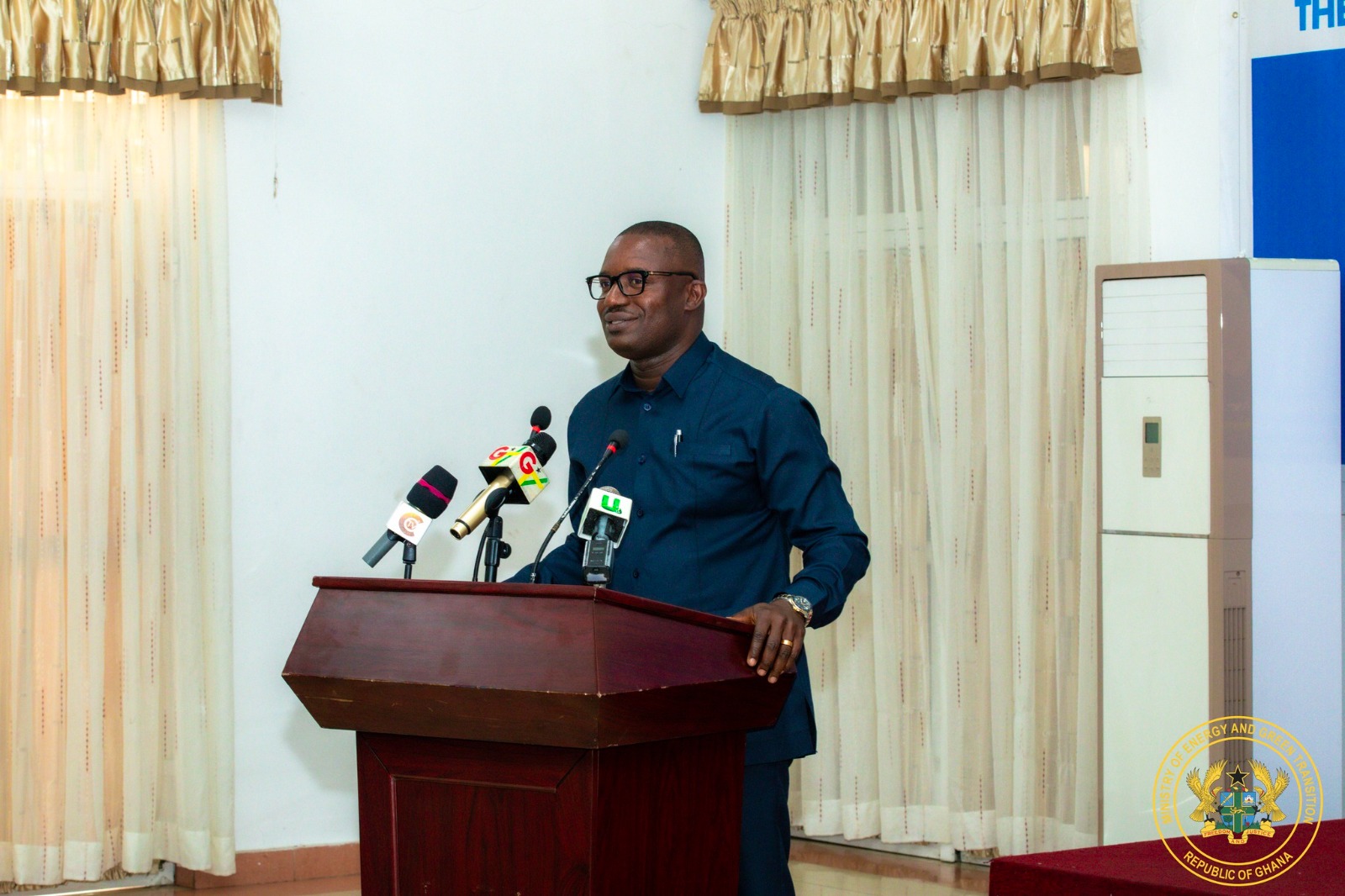
Ghana’s Minister of Energy and Green Transition, John Abdulai Jinapor, who chaired the meeting, said the continent’s energy transition is both a challenge and a socio-economic opportunity.
“Advancing Africa’s energy transition is central to sustainable growth and shared prosperity,” he said.
Highlighting the energy gap, he added, “About 600 million people in Africa do not have access to electricity. Africa represents 17 percent of the world’s population, yet consumes just 4 percent of the world’s energy. Bridging this gap is our collective opportunity.”
Key outcomes from the meeting include:
Country Partnership Frameworks: Ghana, Nigeria, and The Gambia formalised agreements with ISA to align solar policies with national development goals, focusing on rooftops, mini-grids, and agricultural solutions.
Solar for Agriculture: Initiatives will expand solar-powered irrigation, cold storage, and agro-processing to reduce Africa’s $400 billion food import bill and create rural jobs.
Mission 300 Alignment: ISA reaffirmed support for Mission 300, aiming to provide electricity to 300 million Africans through $48 billion in concessional financing and public-private partnerships.
Africa Solar Facility: Managed by Africa50, the facility will use $200 million in catalytic finance to unlock over 20 times that in private capital. Nigeria’s Sovereign Wealth Authority pledged up to $150 million.
Digital Transformation: AI-driven tools and digital “twins” of power systems will optimise distribution, cut costs, and improve reliability.
Capacity Building: Expansion of Solar Application Resource Centres (STAR-Cs) to strengthen local expertise and promote equitable access.
ISA Director General Ashish Khanna stressed the importance of local ownership, saying: “Our goal is to empower countries to develop their own solutions.”
Other dignitaries in attendance included Ghana’s Minister of Foreign Affairs, Samuel Okudzeto Ablakwa, Ms Damilola Ogunbiyi, CEO and Special Representative of the UN Secretary-General for Sustainable Energy for All, France’s Ambassador to Ghana, H.E. Jules Armand Beaussieux, India’s High Commissioner to Ghana, H.E. Manish Gupta, and Ghana’s presidential economic advisor Seth Terkper.