
Pressure is mounting on the government to intensify the fight against international drug trafficking following a series of major cocaine seizures linked to Ghana, with pressure group Arise Ghana calling for an independent public inquiry and an urgent overhaul of the country’s port and border security systems.
The group says the growing number of cocaine interceptions, both within Ghana and abroad, poses a serious threat to national security, the country’s international reputation, and the future of the youth.
In a statement issued in Accra on November 18, 2026, Arise Ghana expressed concern over what it described as an alarming and continuous stream of cocaine seizures, warning that the incidents could indicate deeper weaknesses in Ghana’s anti-narcotics enforcement and border control systems.
Among the cases cited by the group is the reported seizure of 4.5 tonnes of cocaine at the Port of Amsterdam in June 2025, reportedly concealed in a timber shipment said to have originated from Tema Port.
The group also highlighted the reported seizure of nearly 3.9 tonnes of cocaine at Dunkirk, France, in September 2026, allegedly concealed in a container of plastic waste said to have originated from Ghana.
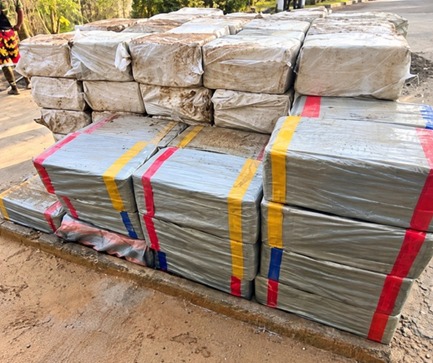
Other incidents cited include the reported seizure of 46.7 kilogrammes of cocaine at Beirut Airport on October 31, 2026, from a passenger who had reportedly travelled from Accra, and the reported interception of 866 parcels of suspected cocaine concealed in sacks of gari at Tema Harbour on August 5, 2026.
Arise Ghana further pointed to a reported seizure of 2.6 tonnes of cocaine in Spain in November 2026, allegedly concealed in containers of coconuts said to have been loaded at Tema Port.
According to the group, the repeated incidents raise serious questions about the effectiveness of Ghana’s port security, cargo screening, border controls, and anti-drug enforcement mechanisms.
Ghana’s International Reputation at Risk
Arise Ghana warned that the growing number of cocaine seizures could reinforce international perceptions of Ghana as a transit point for illicit drug trafficking.
It argued that the exploitation of Ghana’s ports and export corridors by international drug trafficking networks could damage the country’s trade relations, diplomatic standing, and international credibility.
The group also criticised what it considers inadequate accountability following the repeated interceptions, insisting that Ghanaians deserve to know the individuals and networks behind the operations and whether any public officials or institutions failed in their responsibilities.
Five Demands Presented to Government
To address the situation, Arise Ghana has outlined five major demands, urging the government and Parliament to take immediate and decisive action.
First, the group is calling for an independent, bipartisan parliamentary inquiry into all major cocaine cases linked to Ghana since 2025, with the findings made public.
It also wants a comprehensive security audit and overhaul of Tema Port, Takoradi Port, Kotoka International Airport, and major border posts, particularly focusing on cargo scanning technology, intelligence-led cargo profiling, surveillance systems, and staff vetting procedures.
The group further wants the Narcotics Control Commission (NACOC), Ghana Police Service, National Intelligence Bureau, Customs Division of the Ghana Revenue Authority, and Ghana Ports and Harbours Authority to receive adequate resources, modern technology, specialised training, and the operational independence required to tackle drug trafficking.
On accountability, Arise Ghana insists that anyone found culpable must be prosecuted without fear or favour, regardless of political affiliation, social status, or personal connections.
It has also called for a comprehensive national anti-drug strategy that prioritises public education, prevention, rehabilitation, and youth empowerment.
Arise Ghana Vows to Sustain Pressure
The pressure group reaffirmed its commitment to working alongside civil society organisations, religious leaders, traditional authorities, the media, and other concerned citizens in demanding accountability and a drug-free Ghana.
It said it would continue monitoring developments and pressing the relevant authorities until concrete and verifiable measures were implemented.
By Richard Bright Addo