
Cocoa researchers and agricultural experts in Ghana are intensifying efforts to protect the country’s cocoa sector from the growing impact of climate change.
Rising temperatures, erratic rainfall patterns, prolonged dry spells, and excessive rains are already affecting cocoa farms across several growing areas, threatening productivity and the livelihoods of farmers.
Experts warn that without urgent adaptation measures, climate change could significantly undermine Ghana’s cocoa industry, one of the country’s leading sources of foreign exchange earnings.
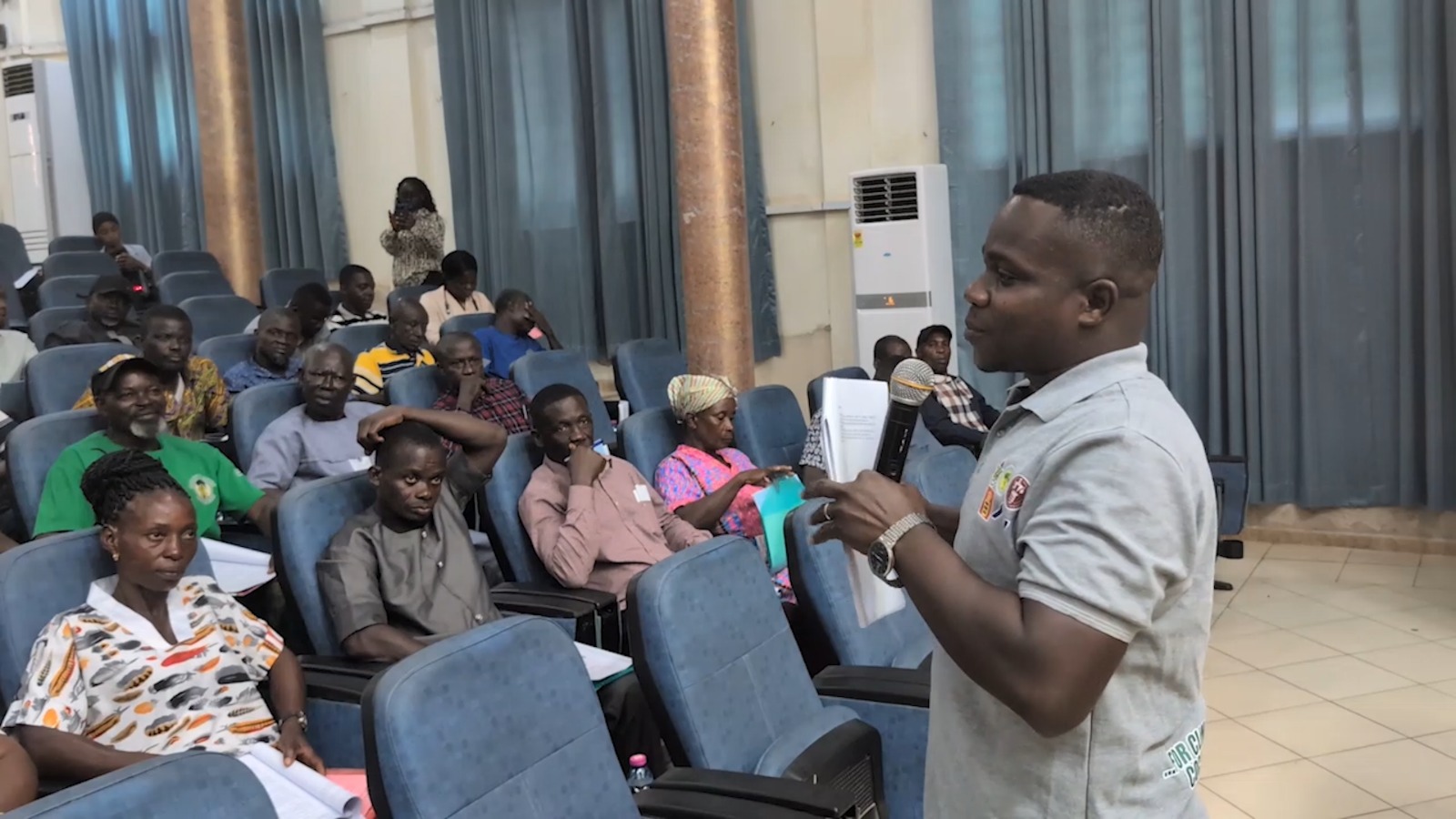
In response, researchers under the Climate-Smart Cocoa Agroforestry Research in Ghana project are training farmers and agricultural extension officers on practical ways to adapt to the changing climate while sustaining cocoa production.
“The trainer of trainers workshop, is aimed at equipping extension officers and lead farmers with practical knowledge generated from nearly seven years of scientific research into climate-smart cocoa production systems,” climate change scientist and principal investigator, Prof. Victor Rex Barnes noted.
The workshop introduced participants to a newly developed toolkit designed to help farmers better understand climate change and adopt farming practices that can improve resilience on cocoa farms.
One of the major adaptation strategies being promoted under the project is climate-smart agroforestry.
The approach encourages farmers to integrate economic shade trees into cocoa farms to help regulate temperatures, improve soil fertility, conserve moisture, and protect cocoa trees from heat stress.
Agricultural experts say the use of shade trees not only improves cocoa productivity but also contributes to environmental conservation and biodiversity restoration.
“If we protect our cocoa farms, we secure farmers’ livelihoods, boost exports, and support the national economy. Cocoa is vital not just for Ghana, but for customers around the world,” Dr. Daniel Dompreh of the Faculty of Renewable and Natural Resources, KNUST, said.
Farmers are also being trained to convert cocoa waste and organic materials into compost and organic fertilizer as a sustainable alternative to expensive chemical fertilizers.
Researchers believe the innovation will help farmers reduce production costs while improving soil health and protecting the environment from pollution.
Some farmers and extension officers who participated in the training say the project is already beginning to show promising results.
According to them, farms where climate-smart practices have been adopted are recording healthier cocoa trees and improved yields despite the difficult weather conditions.
Researchers say while the early results are encouraging, sustained education, government support, and stronger collaboration among stakeholders will be critical to ensuring long-term success.
They are therefore urging cocoa farmers across the country to embrace climate-smart agroforestry practices to help secure the future of Ghana’s cocoa industry in the face of climate change.
By Ibrahim Abubakar