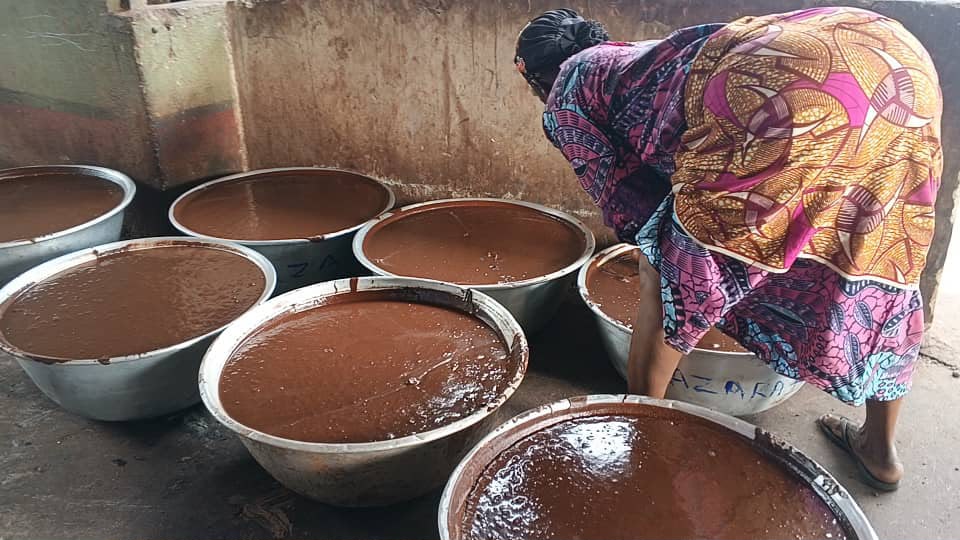

For generations, women in northern Ghana have relied on shea nuts to support their families.
They collect the nuts, process them into butter and sell them to pay school fees, meet healthcare costs and keep their households running. But today, the women who sustain the industry say they are increasingly struggling to access the very raw material on which their livelihoods depend.
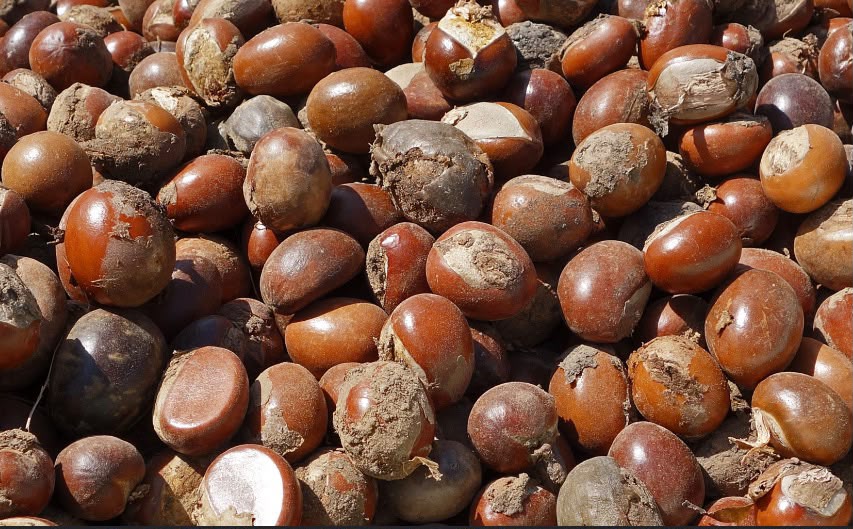
Hajia Rabiatu Abukari, President of the Ghana Shea Employers Association, says the problem is becoming more serious as bushfires destroy shea trees, mature trees are cut down and exporters buy large quantities of raw nuts before local processors can reach the market.
“When the women go to the market, they will not get the nut to buy. Sometimes the men will tell them, “We are going to buy all the nuts” and they will go home with empty hands,” she said.
For Rabiatu, this is not simply a business difficulty. It is a threat to the economic survival of thousands of women whose work supports families and communities across Ghana’s shea-producing areas.
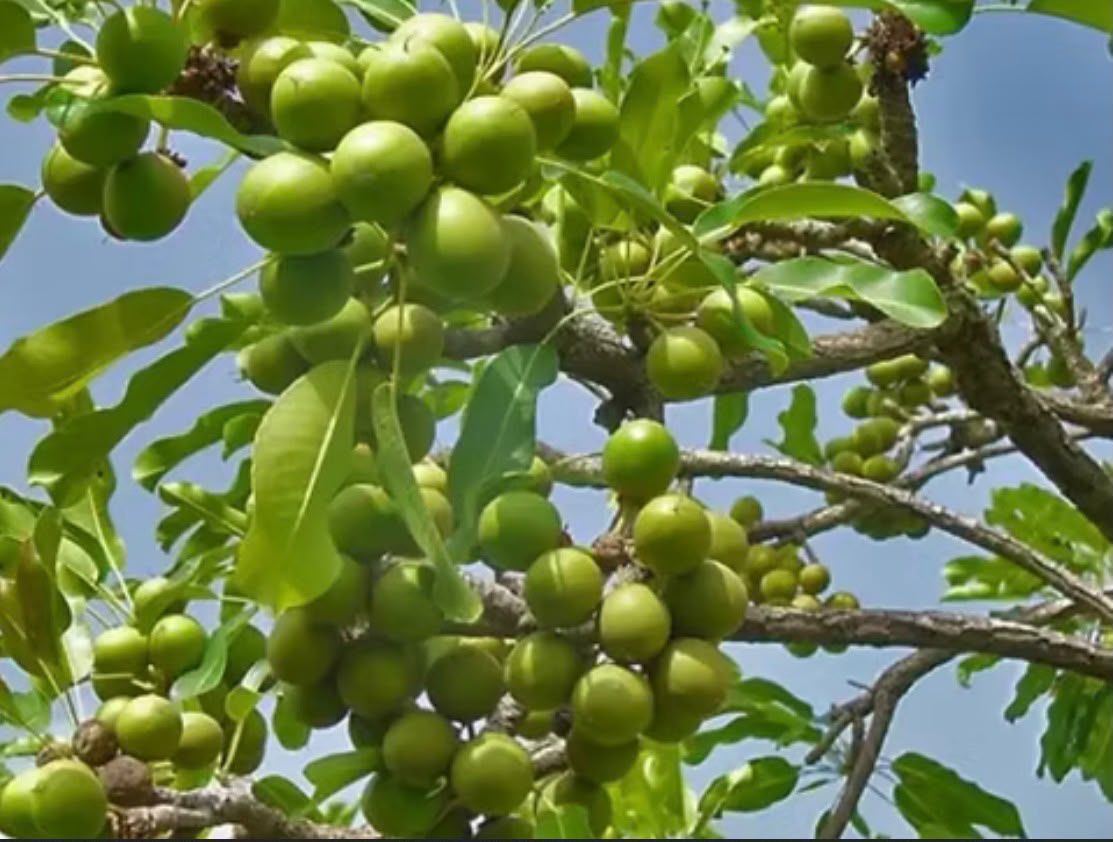
She says the destruction of shea trees is worsening the situation. Bushfires reduce yields, while some people cut down mature trees without replacing them.
She is calling for stronger enforcement of laws against the cutting of shea trees and wants chiefs and community leaders to announce and enforce local sanctions against offenders.
“If you are planting and the cutting continues, it is not going to be good for anybody,” she said. The decline in traditional practices has also changed the way communities respond to poor harvests.
Rabiatu recalls that, in the past, communities sometimes performed rituals for the “shea nut mother” when yields were low.
According to her, people would go into the bush, cook, dance and ask why the harvest had failed. The following season, she says, communities often recorded better yields.
“Every tradition goes with its place and it works with the society. But these days, it is no more there,” she said.
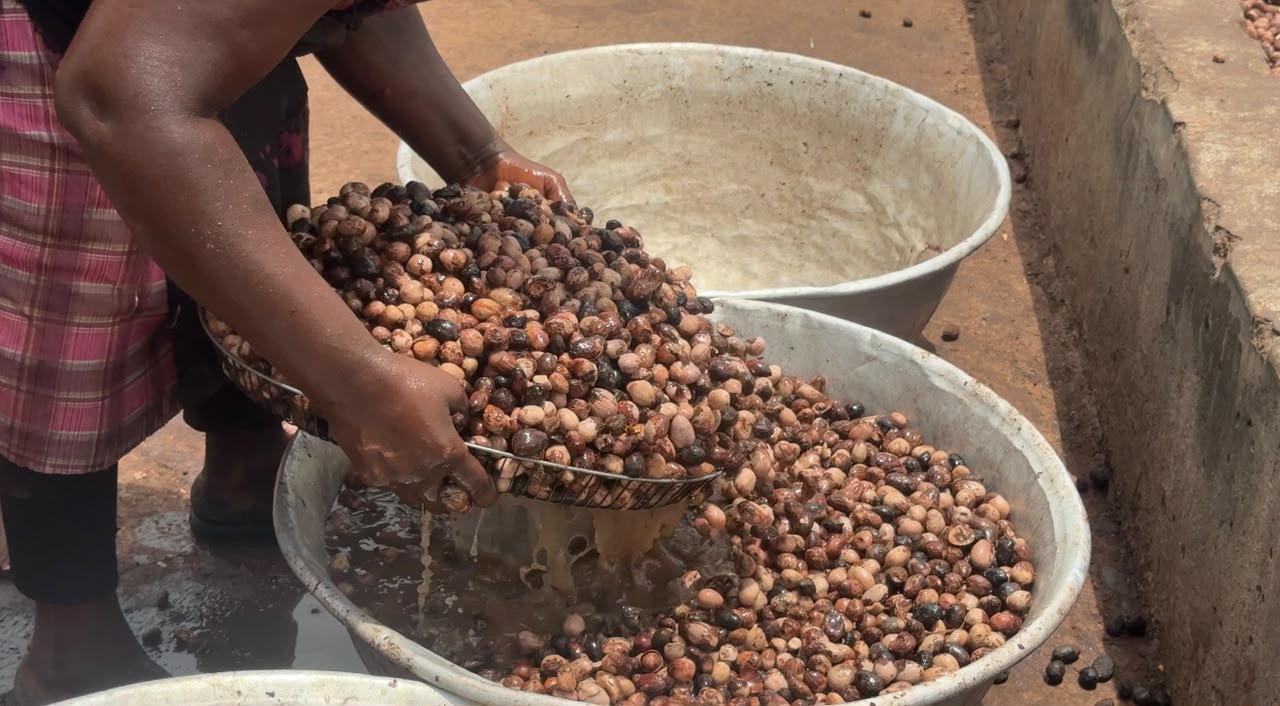
Whether or not the rituals influenced production, the memory reflects a time when communities viewed the shea tree as a shared resource requiring collective care. Today, she believes formal rules and community action must till that gap.
A livelihood caught in competition
Rabiatu says the growing commercial value of shea has brought new competition into the market. Exporters, she explains, can buy large volumes of raw nuts, leaving women processors unable to secure enough supplies. She is not demanding that international buyers be excluded from Ghana, but wants them to support local processing instead of taking away the raw material.
“We are not saying that they shouldn’t come and buy Ghana’s product. But if they come and buy the shea butter from us, everybody will be in business,” she said. She believes Ghana should process a greater proportion of its shea nuts locally before exporting them.
Her proposal is for an arrangement in which 80 per cent of the nuts are processed in Ghana and 20 per cent are exported in raw form.
Such a policy, she argues, would create opportunities for nut pickers, processors, aggregators and businesses that use shea butter in cosmetics and other products.
Rabiatu’s proposal comes as the government moves to restrict the export of raw shea nuts and promote domestic processing.
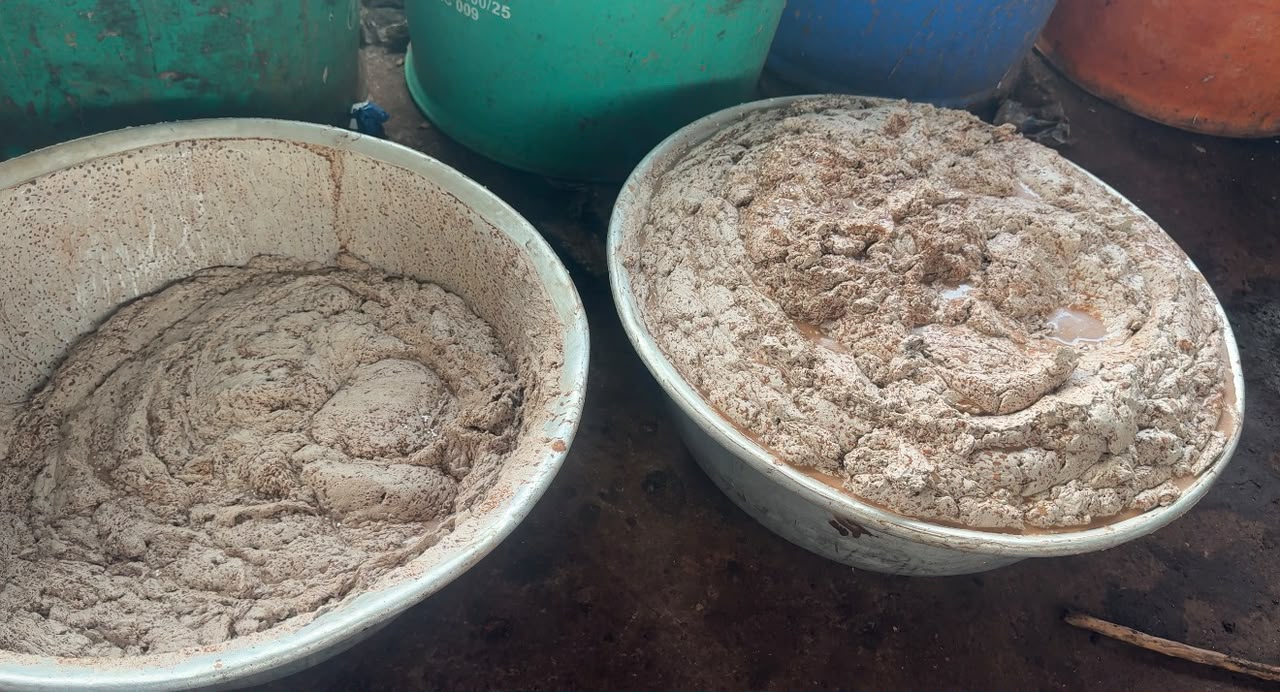
In February 2026, President John Dramani Mahama said Ghana would no longer export raw cashew, raw shea or unprocessed rubber while importing finished products at higher prices. He announced a national target of processing between 50 and 60 per cent of selected tree crops locally each year.
The government’s policy target is lower than Rabiatu’s proposed 80 per cent local-processing share. But both proposals point to the same concern: Ghana must retain more value from its shea resources instead of exporting mainly raw materials.
For Rabiatu, however, restricting raw exports alone may not solve the problem. Women processors must also have the money, equipment and market access needed to buy and process the nuts.
Finance remains a major barrier
For many women processors, however, access to raw materials is only one part of the problem. Access to finance is another.
Rabiatu says the World Shea Expo has helped women connect with banks and other financial institutions that they might otherwise never meet.
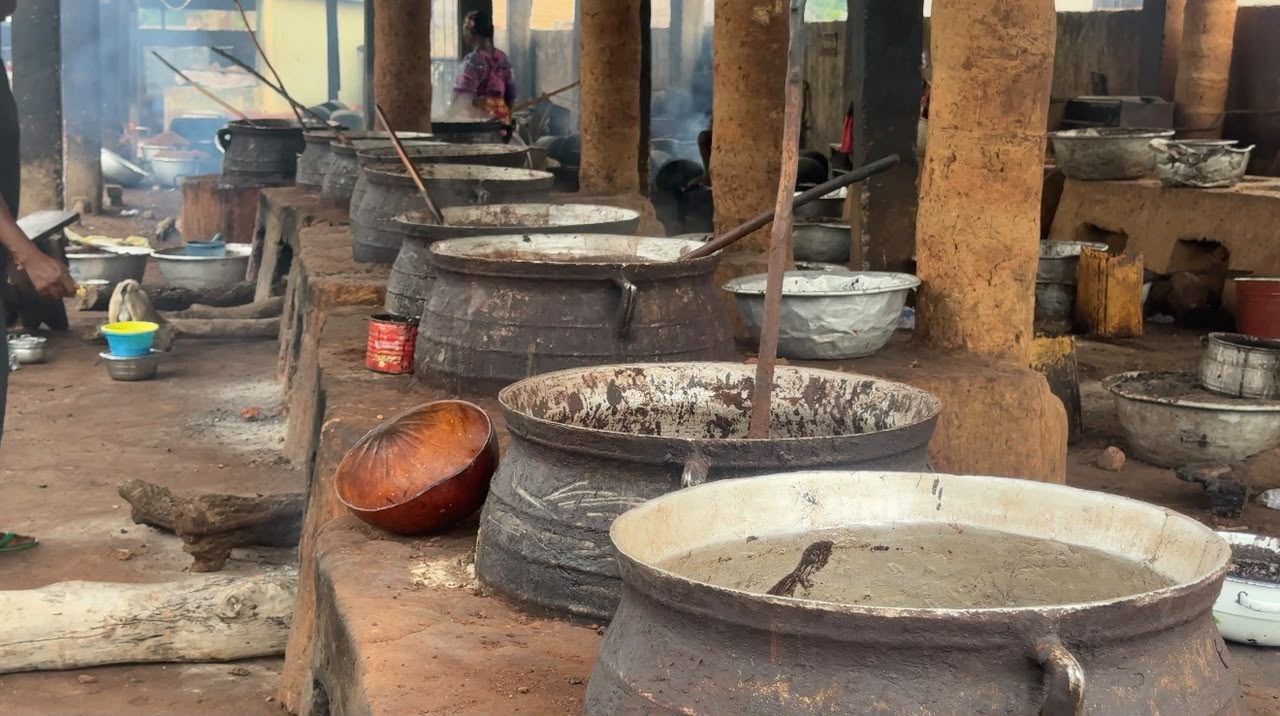
At a previous expo, she met a representative of Fidelity Bank and discussed her difficulty in accessing a loan. The interaction eventually led to the processing and approval of financing.
“The following week, they started processing the loan. They processed my loan and I got the money,” she said.
She used the money to buy shea nuts and process them into butter, but says the amount was only a small fraction of what her business requires.
“If a company gives me money to buy ten containers of shea nuts, we can process it and sell it,” she said.
She explains that some buyers require processors to complete production before payment is made.
Without sufficient working capital, women risk losing contracts even when they have buyers ready for their products.
Her call is therefore for banks to provide affordable, seasonal loans designed around the realities of the shea business.
An expo with a promise
These concerns are at the centre of the 2026 World Shea Expo, which will be held in Tamale from September 15 to 17 under the theme: “From Local Commodity to Global Brand: Accelerating Women and Youth-Led Value Addition in Shea.”
The expo is expected to bring together shea collectors, processors, traders, buyers, financial institutions, government agencies, researchers and development partners.
The organisers say the event is intended to move women beyond the lower-value stages of collecting and primary processing into product development, packaging, branding, certification and direct access to international markets.
Professor Abukari Alhassan, Chairman of the Local Organising Committee, says women should be supported to become entrepreneurs, manufacturers, exporters and owners of Ghanaian shea brands.
He says the industry must create stronger local capacity to produce finished goods rather than exporting mainly raw materials.
The organisers also want young people to see shea as a modern sector with opportunities in cosmetics, pharmaceuticals, biotechnology, digital marketing, traceability and environmentally sustainable businesses.
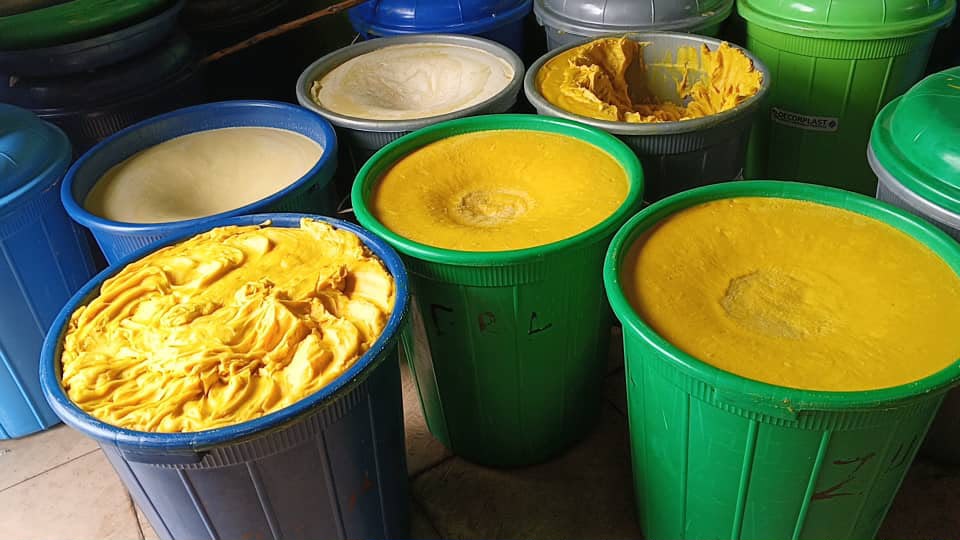
The 2025 expo attracted more than 8,000 participants from 16 countries, 136 exhibitors and 716 shea products, according to Project Manager Eric Banye. He said the event generated more than 10,000 business-to-business linkages and brought together financial institutions, diplomatic missions, government agencies and small and medium-sized enterprises.
The 2026 expo will therefore be judged not only by the number of participants it attracts, but by whether it helps women like Rabiatu obtain finance, secure raw materials and reach better-paying markets.
For the women in the shea industry, the goal is clear: they do not want to remain suppliers of cheap raw nuts while others build profitable products and brands from their labour.
They want a larger share of the value created from the shea trees they collect, protect and process.
Ghana’s shea sector is already worth millions of dollars. The question now is whether the country’s new export restrictions, local-processing targets and industry platforms can turn that economic value into better incomes and greater security for the women who keep the sector alive.
By Nadra Mohammed