
The numbers were read in Parliament and they were big. GH¢48.8 billion for salaries. GH¢21.5 billion for interest.
GH¢11.5 billion for capital projects. GH¢1.8 billion for Free SHS. GH¢537 million to take fees off university students. GH¢459 million for youth jobs. GH¢4.5 billion for NHIS. GH¢7.1 billion to keep the lights on.
So, the talk that “government is not spending” cannot stand. Money is moving. But money is not the only problem. The bigger problem is what we think work looks like.
“We clap for the graduate in a suit at home. We laugh at the boy with grease on his hands who employs 3 people.
School Taught Us to Apply. It Didn’t Teach Us to Build
Since independence, our classrooms have been built for one purpose: to produce clerks, teachers and civil servants for a new nation. That worked for a time. Today that model is tired. Every June, SHS gates open.
Every August, universities graduate thousands. And every September, the same story: “No jobs. “Free SHS has put more children in class. That is progress. But if all we do is push more people through the same certificate pipe, we will only get a longer queue at the end.
The Kwahu trader and the Ashanti seamstress did not wait for a budget to create work. Before 1957, every family had a trade. Kente, carpentry, farming, trading, mechanics, baking. A boy was sent to “go and learn” in town.
A girl stayed with auntie to learn how to sell. Nobody issued a certificate. But at the end, there was capital, customers, and a shop. We have abandoned that. And we replaced it with something dangerous: shame.
English, Suits, And the Lie Called Official
In Ghana today, we have tied success to two things: grammar and dressing. If a young man cannot speak fluent English, we assume he is dull. If a woman wears slippers and a head tie to work, we say she is not “serious.”
If your job doesn’t come with a white shirt and an ID card, we say it is not “official. “But who decided what is official? Is the welder in Suame Magazine who pays 4 boys not official? Is the woman in Makola who moves 10 bags of rice a day not official?
Is the tro-tro driver who feeds 6 children not official? They pay rent. They pay school fees. They pay tax. Yes, English is our lingua franca. Every child should learn it. It opens doors. It helps us trade with the world. But it should not be the yardstick for smartness, sharpness, or success.
A child who can fix an engine, code an app, cook for 200 people, or manage a farm is not “less.” That child is the economy. Other countries understood this early. In Germany, a 16-year-old spends half the week in a workshop.
In Rwanda, TVET students learn inside factories. In Kenya, government-built internet and let young people create their own jobs. Nobody asks them to speak Queen’s English before they get paid. They ask: “Can you deliver? ”In Ghana we ask: ‘Which school?’ In other places they ask: ‘What can you do?’
The Budget Has Money. We Need Mindset Too
There are good things in the mid-year statement. GH¢551 million set aside for Farmer Service Centres. GH¢1.1 billion for Feed Ghana and irrigation. GH¢45 million for apprenticeship. GH¢6.5 billion for Big Push roads. GH¢7.1 billion for power. Roads will open markets.
Power will let factories run two shifts. Farm centres will create mechanics and drivers. That is how jobs multiply. But we need one more investment. It doesn’t cost billions. It costs attitude.
Let Every Child Learn a Trade – Start from Home
Every Ghanaian family has a trade. Nobody should despise it. Let’s make it part of growing up. From Primary 1, let every child choose a trade. It can be their mother’s cooking, their uncle’s auto work, their auntie’s hairdressing, their father’s farming.
Once a month, they visit. They watch. They help. They come back and tell the class what they learned. Written or oral. Parents must show up. Teachers must ask questions. Lecturers in SHS and university must give credit for it.
This is not to kill mathematics or science. This is to walk with it. A buffer. So that if the office job takes time, the hands can still put food on the table. And we must kill the bias. Stop telling children that if you don’t wear suit, you have failed.
Stop telling children that if your English breaks, your brain is broken. The GH¢48.8 billion wage bill tells us government cannot employ everybody. The GH¢459 million for YEA tells us we know young people are struggling.
If we are serious, then we go back to what worked. Teach the head in class. Teach the hands at home. Respect both. That is how Kwahu built trading networks. That is how Ashanti filled Kejetia.
Not with grammar alone. With skill, with trade, with pride. The budget has paid the bills. Now let us pay attention to the children and to the work we keep looking down on. Because the next job in Ghana will not come from a vacancy advert. It will come from a workshop, a farm, and a shop on your street.
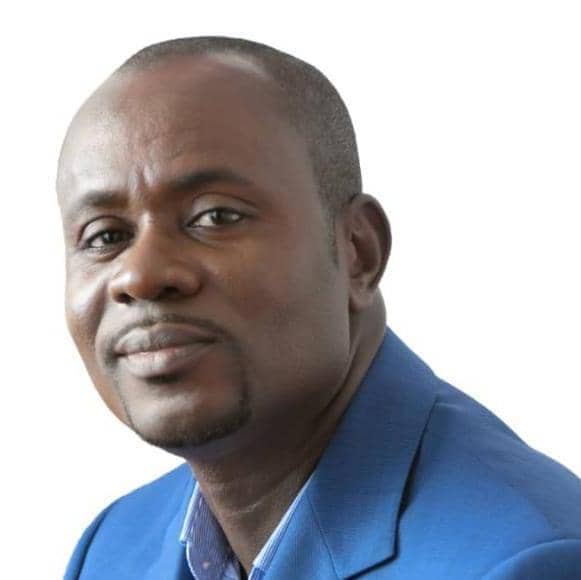
Dr. Ebenezer Arthur Duncan
The writer is a lecturer at University of Professional Studies, Marketing Department