
The Cape Coast Municipal Assembly (CCMA) in the Central Region has formed a 15-member committee following last week’s floods that killed six people, displaced over 2,900 residents, and collapsed 10 houses across the metropolis.
The 15-member committee will be split into two(2), the first will identify and demolish dilapidated structures, determine the number of people in unsafe houses and find resettlement sites.
The second will identify structures on waterways, check building permits, and also identify structures for tourism restoration.
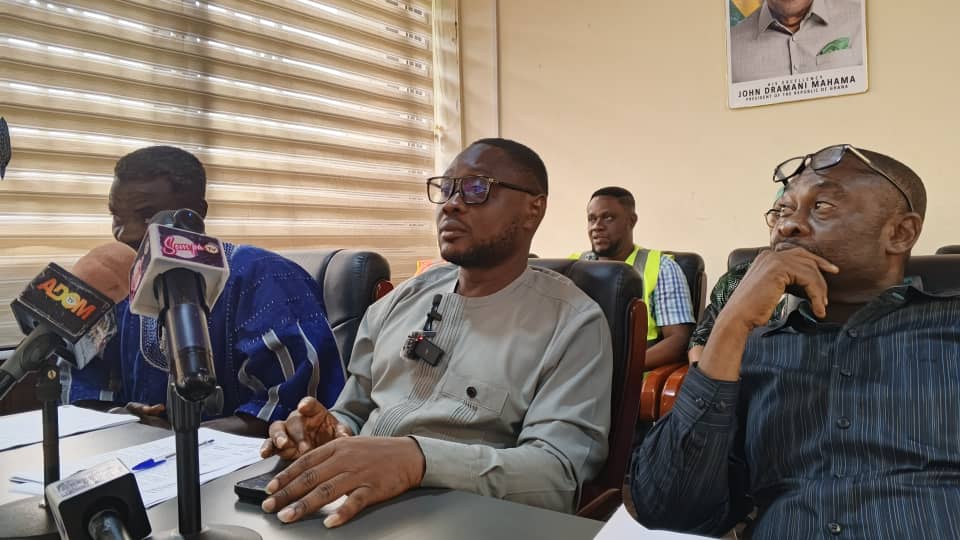
Addressing a press conference in Cape Coast, Municipal Chief Executive, George Justice Arthur, said the Assembly took the decisions at an emergency management meeting on Tuesday, June 23, 2026.
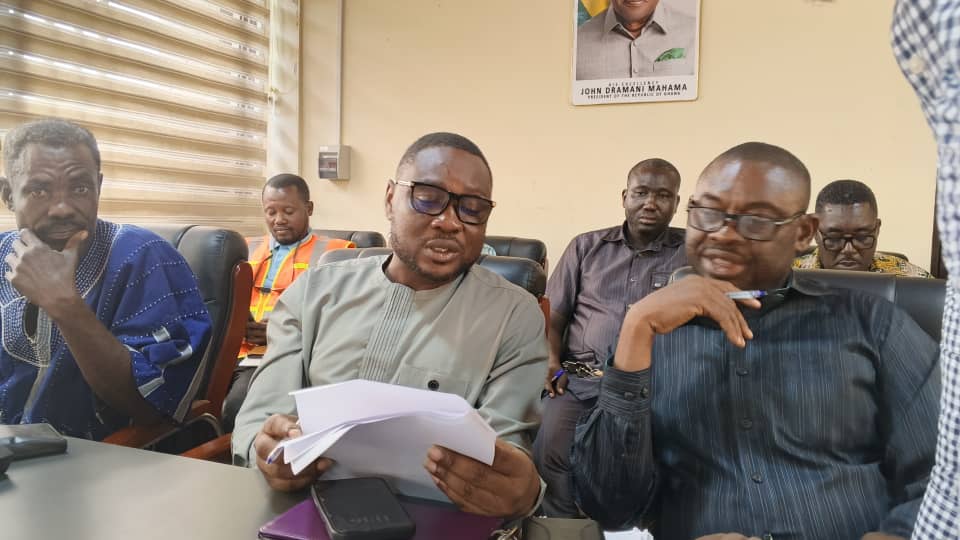
Arthur said heavy rains from Friday, June 19 to Sunday, June 21 caused flooding in Ekon, Abura, UCC and its environs, Ameen Sangari, DVLA/Nokaans, Eyifua, Mpeasem, Adisadel, Nkanfoa, Asenadze, and other areas that had never flooded before.
He confirmed the disaster led to the collapse of 10 mud structures, the death of six persons, including three children, one person still missing, and eight others in critical condition at Ewim Polyclinic and the Cape Coast Teaching Hospital.
A total of 2,929 residents have been displaced.
According to the MCE, the Assembly identified narrow drains, the lack of a drainage master plan, weak and century-old mud structures, buildings on waterways, and indiscriminate waste disposal as the main causes.
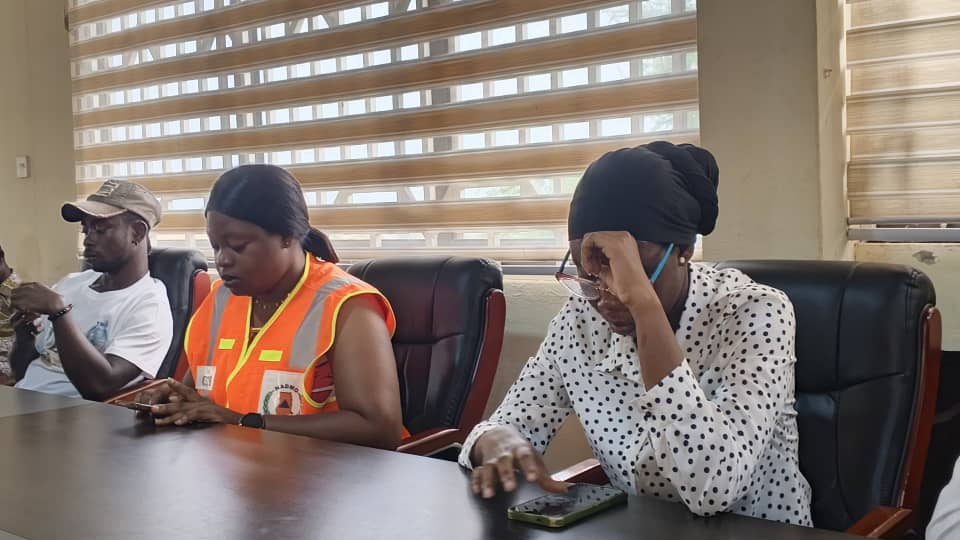
Arthur further announced that the Assembly will develop a drainage master plan, desilt drains regularly, expand drainage infrastructure, involve communities in sanitation, and undertake a massive decongestion exercise.
He said these actions build on last year’s efforts, which included expanding the Kru Town storm drain, desilting at Aquarium, Akyim, Abura, Cape Tech, Ekon and 3rd Ridge Junction, demolishing unauthorized structures, and public sensitization on waste disposal.
The MCE urged residents to cooperate with the committees to prevent future loss of lives and property in the Metropolis.
By Timothy Gaison