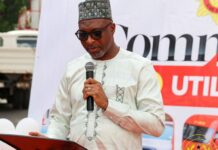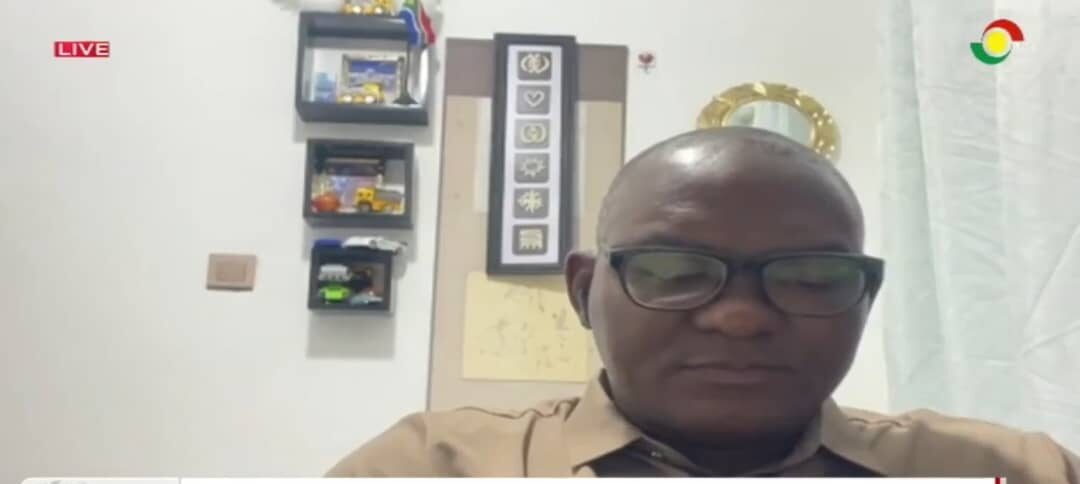

Security expert Victor Doke has called for the identities of four Ghana Revenue Authority (GRA) Customs officials who are on remand in connection with recent cocaine case to be made public.
According to a statement issued on Thursday, September 17, by Minister for Government Communications, Felix Kwakye Ofosu, “ten (10) individuals, including four officers of the Customs Division of the GRA, are being held while investigations continue.”
Doke said publishing the mugshots and identities of suspects would promote transparency and accountability, particularly as the individuals remain suspects until proven guilty by a court.
“There isn’t anything wrong when we put these people’s mugshots out. It also adds to transparency and accountability with regards to the process, and for whatever it is, they are suspects until proven guilty,” he said on TV3’s Ghana Tonight, Thursday, September 17.
Mr Doke noted that although the names of the four officials are known, their photographs have not been released, a situation he said raises questions about the reasons for keeping their identities private.
“But for the four individuals who are still on remand, we know their names, just that their mugshots have not come out. If we really want to fight this, we need to take it a step higher,” he said.
He argued that making their identities public would demonstrate the government’s commitment to tackling alleged drug trafficking and ensure that individuals involved in the process are held accountable.
“Definitely, it helps with regard to accountability and transparency so that those who are part of it and are hiding will know that the government is serious in fighting this,” Mr Doke added.
He questioned why the identities of the four officers had been kept secret, given their alleged involvement in the handling and screening processes connected to the case.
“Why are their identities kept secret? I don’t understand because in investigations, you have some evidence from the first stage that they handled screening of whatever, that makes them a party to the case,” he said.
Mr Doke said publicly identifying the officers would also help establish their respective roles in the process, whether they were involved at the first, second or final stage of screening.
“And so, when their identities come, they will know that they were the first or second or final unit who handled it. Until we know that, there is a little bit of uncertainty; information is scanty surrounding who these four officers and their specific roles,” he said.
Mr Doke further argued that ongoing investigations should not necessarily prevent authorities from disclosing the identities of suspects, provided due process and the presumption of innocence are maintained.
“We need to know more about this. And investigation does not mean that when we have some suspects, we should keep them and finish some investigations; you put the names out,” he said.